
Last updated November 23, 2026
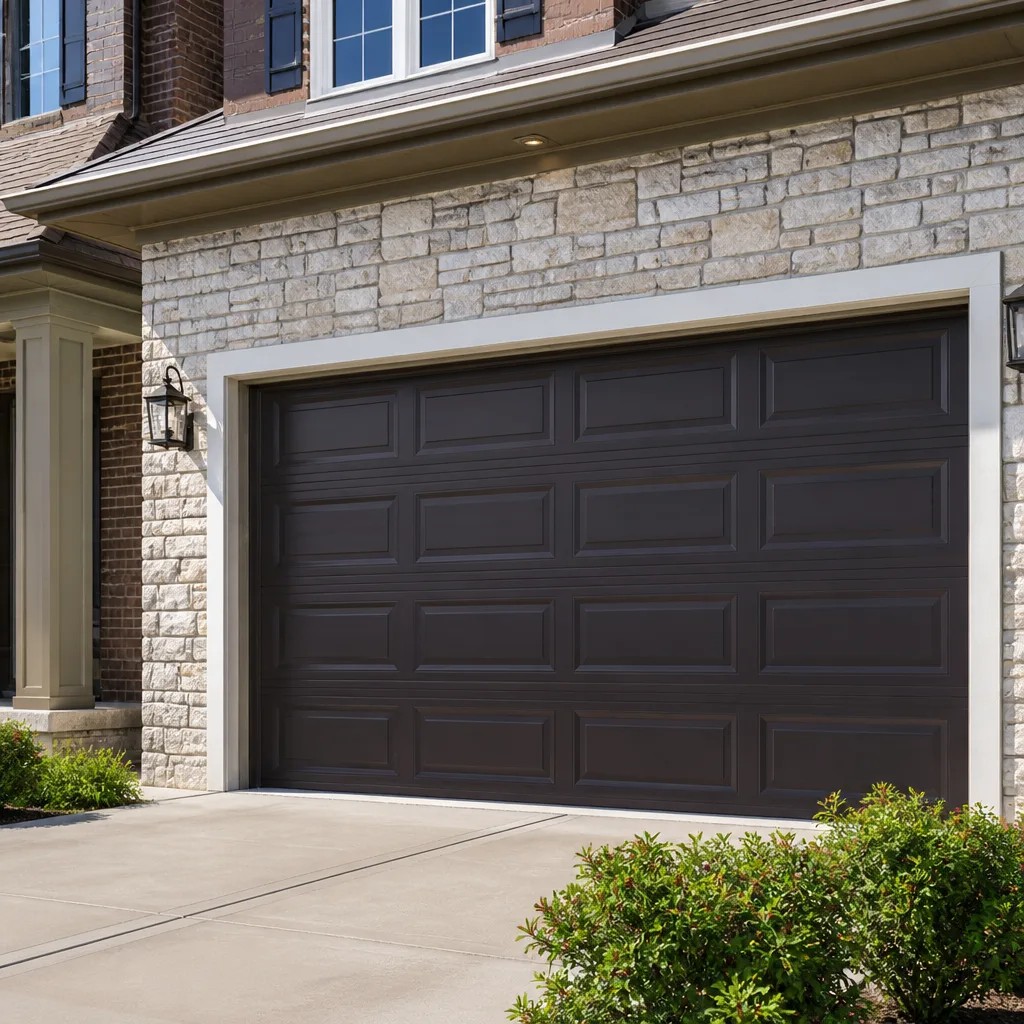 Raised-panel steel
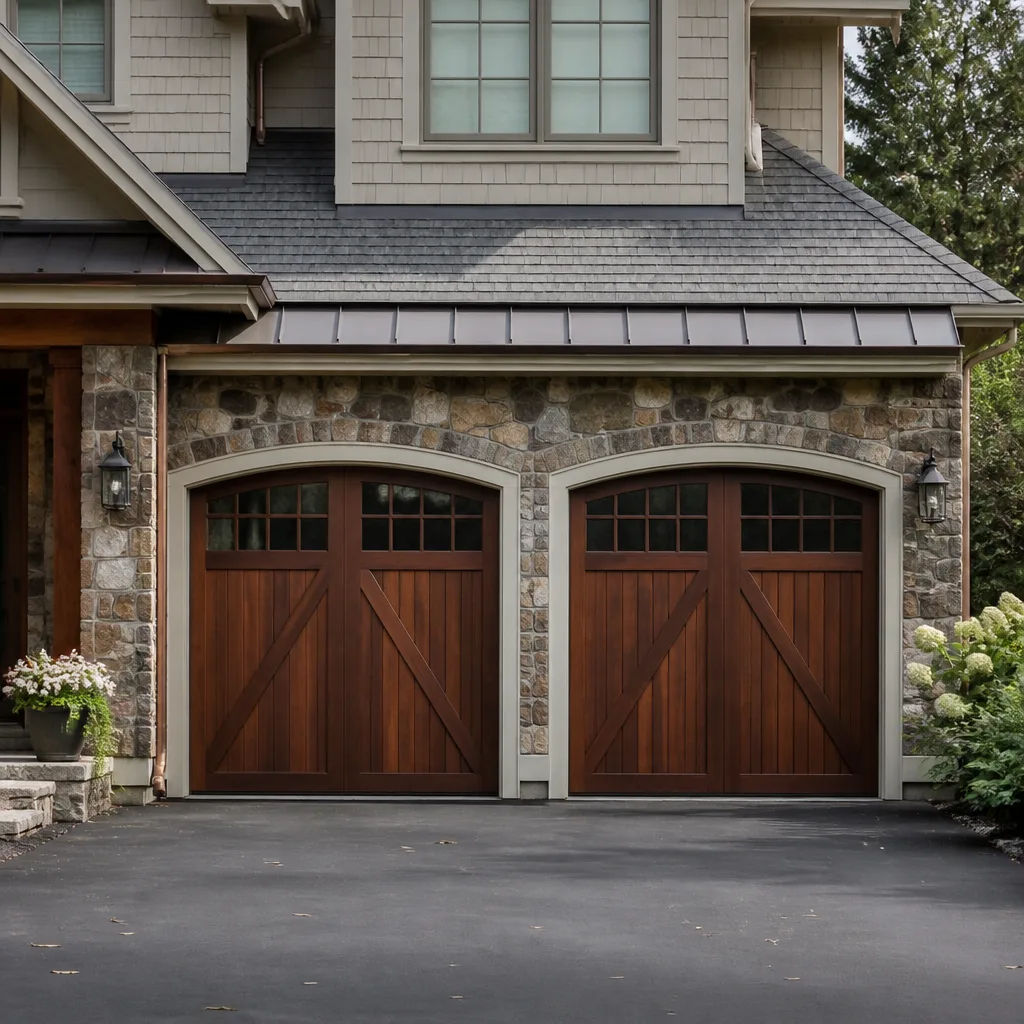 Carriage house
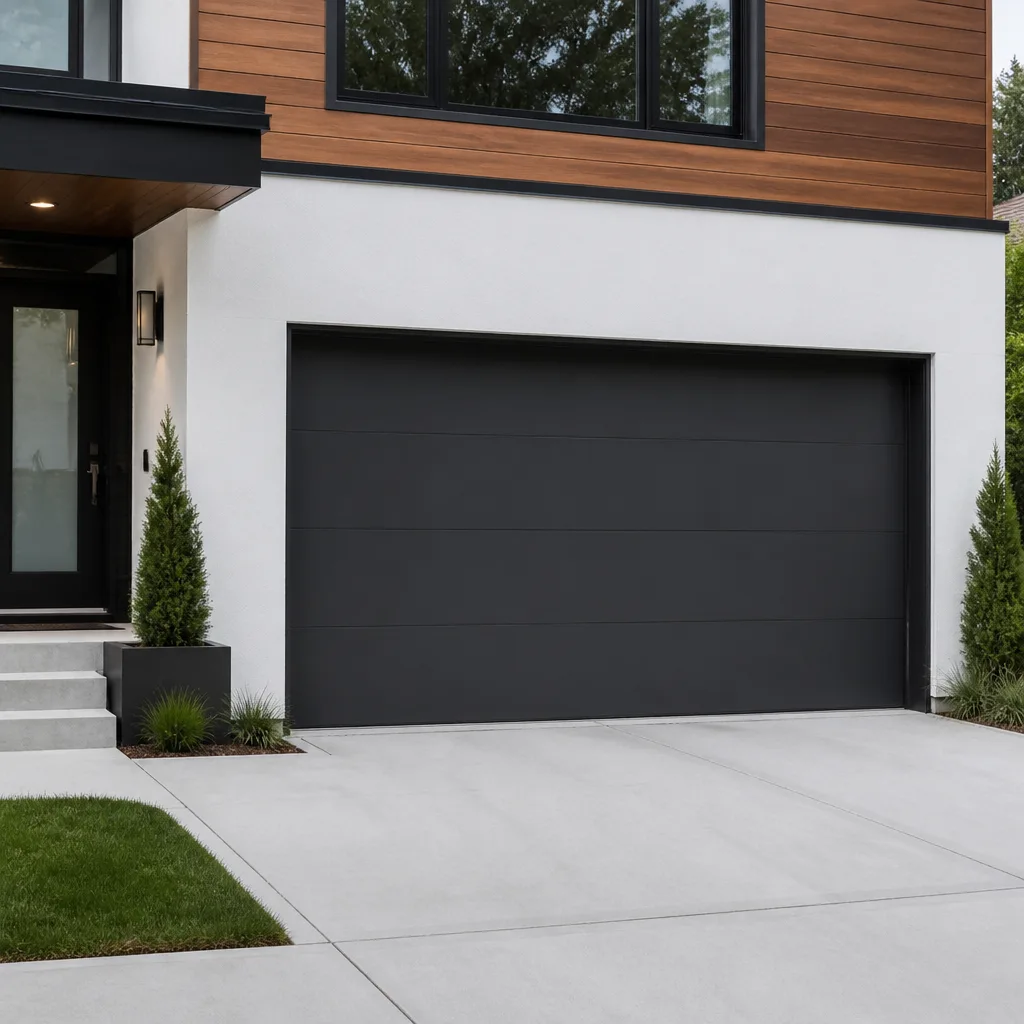 Modern flush
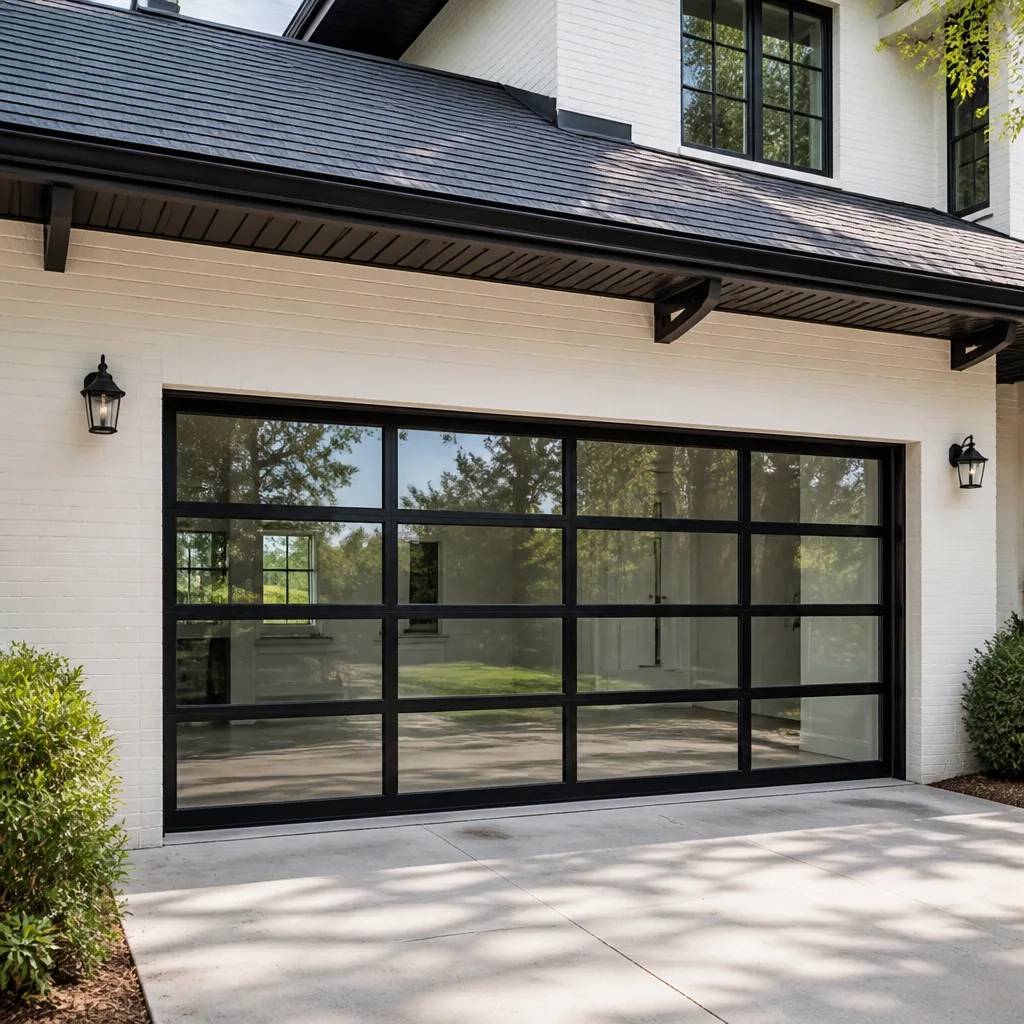 Full-view glass
 LiftMaster openers
 Chamberlain openers
Full 25-point door and opener safety check with every visit - springs, cables, rollers, tracks, and your LiftMaster or Chamberlain opener included
You get a price before we start. It does not change when the pro arrives.
Get your free estimateSeasonal Garage Door Care for Ballwin: Year-Round Homeowner’s Guide
The broken spring in January didn’t fail because of the cold snap. It failed because the rust that formed during August’s humidity weakened the steel to the point where the first hard freeze finished the job. That’s the part most homeowners miss about garage door care: the season that breaks your door is rarely the season that caused the failure. Ballwin sits in a stretch of Missouri where humid summers and hard freezes trade places every year, and your garage door lives through both. This guide walks through a year of care sequenced to interrupt that cycle, so the expensive January call becomes a routine September inspection instead.
Quick Answer
Seasonal garage door care in Ballwin means treating late summer as your corrosion-prevention season, fall as your hardware-and-weatherstrip season, winter as your low-temperature awareness season, and spring as your recalibration season. The single highest-value habit is a late-August cleaning and lubrication of springs, hinges, and rollers, because Missouri’s humid summers start the rust that cold winters turn into snapped springs. Do that one thing and a fall tune-up, and you’ll cut the odds of a mid-winter emergency considerably.
Styles & brands we work with
- Raised-panel steel
- Carriage house
- Modern flush
- Full-view glass
- LiftMaster openers
- Chamberlain openers
Table of Contents
- Why Ballwin’s Climate Stresses a Garage Door Differently
- Late Summer: The Humidity Problem Nobody Talks About
- Winter: What Cold Actually Does to Torsion Springs and Cables
- Bottom Seals and Weatherstripping: The Degradation Timeline
- The Fall Prep Sequence That Reduces Winter Failures
- Spring Thaw: Freezing, Track Gaps, and Opener Recalibration
- Your Ballwin Garage Door Care Calendar
- Common Mistakes to Avoid
Why Ballwin’s Climate Stresses a Garage Door Differently
Ballwin’s weather swings hard in both directions. Summers run humid enough that a closed garage holds damp air against bare steel for weeks. Winters drop below freezing often enough that any moisture trapped in a spring, cable, or hinge has repeated chances to freeze and expand. That combination is what makes garage door care here different from care in a mild climate or a dry one.
Most of Ballwin’s housing stock is suburban, and a large share of it was built with attached two-car garages facing west or south. That orientation matters more than people expect. A south-facing garage door takes the full afternoon sun in July, which bakes the bottom seal and the paint on the door’s lower panels, while a west-facing door catches the hottest part of the day. Meanwhile, the garage itself is usually unheated and uninsulated in older Ballwin neighborhoods, which means the door hardware experiences nearly the full outdoor temperature range, not a moderated one.
What that adds up to is a garage door that cycles through real thermal expansion and contraction every year. Steel springs, aluminum tracks, and vinyl seals all move at different rates. Over a few seasons, that movement loosens fasteners, opens small gaps, and works weatherstripping loose. None of it is dramatic on its own. Together, it’s the slow accumulation that decides whether your door makes it through a cold snap or calls it quits.
The other Ballwin-specific factor is freeze-thaw at the door-to-floor line. When melting snow and rain run toward the garage and refreeze overnight, the bottom seal can bond to the concrete. Forcing the door up while it’s stuck pulls on the bottom bracket, the cables, and the opener’s drive gear all at once. Recognizing that pattern is one of the reasons a seasonal routine pays for itself.
Late Summer: The Humidity Problem Nobody Talks About
Here’s the part of seasonal care that gets skipped because it doesn’t look urgent: late-summer humidity is when the damage that shows up in January actually starts. August in Ballwin brings stretches of high humidity, and a closed garage traps that moist air against every unpainted steel surface inside the door system.
The two parts most vulnerable are the torsion springs above the door and the lift cables that run along each side. Springs are typically oil-tempered steel, and oil-tempered steel plus persistent moisture equals surface rust. Rust doesn’t just look bad; it pits the wire, creates stress points, and reduces the spring’s ability to cycle cleanly. A spring that would have lasted many more cycles can fail early because of corrosion started in a humid summer. Cables have the same problem, and a rusted cable is a cable that can fray.
Our technicians have up to 10 years of experience, and the pattern they see is consistent: doors that get a late-summer clean-and-lubricate almost never show the same pitting by winter. The treatment is simple and doesn’t involve touching the springs themselves.
- Inspect from the floor. With the door closed, look up at the springs and along the cables for orange-brown dust or flaking. Don’t reach into the spring assembly; the springs hold extreme tension and that’s a job for a trained technician.
- Wipe the hardware you can safely reach. Hinges, rollers, and the track surfaces collect grit and hold moisture. A dry cloth removes the grit that traps water against metal.
- Lubricate hinges, rollers, and the torsion shaft bearings with a garage-door-specific lubricant. Not WD-40 as a lubricant, and never grease on the tracks themselves; tracks stay dry and clean.
- Check the bottom seal and side weatherstripping for cracks or hardening, which we cover in detail below.
- Look at the door’s paint or finish, especially the bottom two panels, and touch up any bare spots. Bare steel is where corrosion takes hold fastest.
That routine takes maybe twenty minutes. It’s the single most useful thing a Ballwin homeowner can do for their door in August, precisely because the payoff doesn’t show up until the weather turns.
Winter: What Cold Actually Does to Torsion Springs and Cables
Cold doesn’t break springs out of nowhere. It breaks springs that were already weakened, and it does it because steel gets more brittle as temperature drops. In Ballwin, the coldest stretches of winter are when torsion springs are most likely to snap, and the reason is straightforward: a spring carrying a rust pit or a stress point has less margin, and cold removes the margin it had left.
Below roughly 20°F, two things happen at once. The steel loses ductility, and any lubricant on the moving parts thickens. A door that cycled smoothly in October suddenly needs more force to move, and that extra force lands on the springs, cables, and opener. If the spring was already compromised by a humid summer, that’s the moment it gives.
What to watch for in cold weather
- A loud bang from the garage with the door suddenly heavy or stuck partway. That’s the classic snapped torsion spring, and the door should not be forced.
- The door feeling unusually heavy when you lift it manually. A balanced door lifts with one hand. If it doesn’t, stop and call.
- Frayed or kinked cables, which are under extreme tension and can cause serious injury if handled. This is not a do-it-yourself repair.
- A door that opens partway and stops, which can be a spring issue, a cable issue, or an opener limit problem. It needs diagnosis, not guessing.
One thing worth saying plainly: garage door springs store enough tension to cause serious injury. When a spring fails in winter, the correct move is to leave the door down, keep vehicles out from under it, and call for garage door spring repair rather than trying to lift the door or wind the spring yourself. The same caution applies to cables. Trained technicians use proper winding bars and controlled procedures for exactly this reason.
Winter is also when doors in Ballwin freeze to the floor after a melt-and-refreeze. If your door won’t budge on a cold morning, check whether the bottom seal is bonded to the concrete before you run the opener. Running the opener against a stuck door strains the drive and can strip the gear.
Bottom Seals and Weatherstripping: The Degradation Timeline
The bottom seal is the first part of a garage door to fail, and in Missouri’s temperature range it fails on a fairly predictable schedule. The seal is usually vinyl or rubber, and both materials harden with repeated freeze-thaw cycles and UV exposure. Once hardened, the seal stops compressing against the floor, which lets in cold air, water, and pests.
Side and top weatherstripping made of vinyl or foam follows a similar path. It dries out, cracks, and pulls away from the frame. In Ballwin, the sun exposure on a south- or west-facing door accelerates this noticeably compared with a shaded door.
| Part | Typical lifespan in Ballwin’s climate | Signs it’s overdue |
|---|---|---|
| Rubber bottom seal | Roughly 3 to 5 years | Hard, cracked, flat-spotted, or leaves a visible light gap at the floor |
| Vinyl side weatherstrip | Roughly 4 to 6 years | Brittle, curled edges, gaps at the frame |
| Foam weatherstrip | Shorter than vinyl | Crumbling, compressed flat, falling off |
Those ranges are typical estimates, not exact dates; a shaded north-facing door often lasts longer, and a sun-baked west-facing one shorter. The practical test is a light check: close the door, stand inside the garage with the lights off during daylight, and look for light coming under or around the edges. Any visible light means the seal is doing less than it should.
A worn bottom seal is more than a draft. It lets water reach the door’s bottom section and the floor plate, which speeds corrosion exactly where the door is most vulnerable. Replacing a bottom seal is a modest, straightforward repair compared with the damage a leaking seal causes over a couple of winters. If you’re unsure whether yours is due, a free estimate will tell you.
The Fall Prep Sequence That Reduces Winter Failures
Fall is the season when you have the most leverage over winter. The windows are still mild, the door isn’t fighting ice, and there’s time to fix what August’s humidity started. This is the sequence we’d walk a Ballwin homeowner through, in order, because each step makes the next one more reliable.
- Test the door’s balance. Disconnect the opener (pull the release cord with the door closed), then lift the door halfway by hand. A balanced door stays put. If it drifts down or feels heavy, the springs need attention before winter, not after a failure.
- Check the springs and cables visually. Look for rust, gaps in the coils, or frayed cable strands. Don’t adjust anything; just note what you see. If something looks wrong, stop and schedule garage door repair.
- Inspect and replace worn weatherstripping and the bottom seal using the light test above. Doing this before the first freeze means you’re not fighting a frozen seal later.
- Lubricate hinges, rollers, and bearings with a proper door lubricant. Wipe the tracks clean and leave them dry.
- Tighten loose bolts on the hinges and the track brackets. Vibration from a season of use loosens these; snug them by hand so you don’t strip the metal.
- Test the opener’s safety reverse. Place a small board in the door’s path and confirm the door reverses when it contacts it, and test the photo-eye by blocking the beam. If the door doesn’t reverse, the opener needs service before winter.
- Clear the door’s path and the floor line. Remove anything that could catch the seal and check that the concrete under the door is clean and level. This is where freeze-thaw bonding starts.
The logic of doing this in fall rather than winter is simple: a balanced, well-sealed, properly lubricated door needs less force to move, and less force means less strain on the springs and cables when the temperature drops. You can’t eliminate winter failures, but this sequence moves the odds in your favor, and it’s what turns a January emergency into a routine repair.
Opener health belongs in this sequence too. Older openers, especially chain-drive units from LiftMaster and Chamberlain, get noisier and lose some force as the lubricant thickens in cold. If your opener strains in the fall, it will struggle more in January. Opener diagnostics are worth doing now.
Spring Thaw: Freezing, Track Gaps, and Opener Recalibration
Spring in Ballwin brings its own set of issues, and they’re different from winter’s. The freeze-thaw cycle is the main one. Water that ran under the door in winter refreezes overnight and thaws during the day, and that repeated cycle loosens the seal, widens small gaps, and can leave the door bonded to the floor on cold mornings.
What spring thaw does to your door
- Door-to-floor freezing. The bottom seal can stick to the concrete. If the opener forces it, you’ll hear a crack as the seal tears or the door strains. Check for bonding before opening on a cold morning.
- Track expansion gaps. Steel tracks expand and contract with temperature, and over a winter the fasteners holding them to the frame can loosen. A track that’s out of alignment makes the door rub, which shows up as noise and uneven movement.
- Opener sensitivity drift. The opener’s force and travel limits were set when the door was easy to move. After a winter of cold and a spring of thaw, those settings can be off. The door may reverse for no reason or strain to close. That’s an opener recalibration, and it’s a common reason homeowners call for garage door opener repair in spring.
- Rust that appeared over winter. Any bare spots that got wet and froze need attention before they spread.
Spring is also a good time to check the opener’s safety reverse again, along with the photo-eye, because a winter of ice and debris can interfere with the beam. Genie and Craftsman openers with older logic boards sometimes behave erratically after a hard winter; that’s usually a setting or a worn gear, not a dead unit, and it’s worth diagnosing before assuming replacement.
If your door has been sticking, rubbing, or reversing on its own through the spring, the fix is usually a track adjustment, a seal replacement, or an opener recalibration. Those are inexpensive compared with the repair you’ll face if a misaligned track is left rubbing against the door all summer.
Your Ballwin Garage Door Care Calendar
Here’s the whole year in one place. The point isn’t to do everything every season; it’s to know what matters when, so you’re never caught reacting to a failure that a bit of preventive care would have avoided.
| Season | Focus | Key tasks |
|---|---|---|
| Late summer (August) | Corrosion prevention | Wipe and lubricate hinges and rollers; inspect springs and cables for rust; touch up bare paint on lower panels |
| Fall | Balance and sealing | Test door balance; replace worn weatherstripping and bottom seal; lubricate; test safety reverse; tighten bolts; clear the floor line |
| Winter | Low-temperature awareness | Watch for bang, heaviness, or stuck doors; never force a frozen door; leave spring and cable work to trained technicians |
| Spring | Recalibration | Check for door-floor bonding; inspect track alignment; recalibrate opener force and limits; address winter rust; retest safety reverse |
A few Ballwin notes on this calendar. Our climate means the late-summer step does more work than most guides give it credit for, because it’s the step that prevents winter failures rather than reacting to them. The fall balance test is the cheapest diagnostic there is, and it tells you more about your springs than anything else you can do without tools. And if you’re near the older sections of town where doors and openers have been in place a long while, expect to use this calendar more deliberately; older hardware has less margin for skipped seasons.
The other thing worth knowing: if you’re planning a new door rather than maintaining an old one, the same calendar still applies once it’s installed. A new Clopay or Amarr door still ages in Ballwin’s humidity and freeze-thaw, though a fresh factory finish gives it a head start. That makes garage door repair and installation parts of the same ongoing care rather than separate worlds. If you’re weighing whether a door is past maintaining, a free estimate will tell you straight.
We work on the brands Ballwin homes actually have: LiftMaster, Chamberlain, Genie, Clopay, Amarr, Wayne Dalton, Craftsman, and Raynor. That matters for seasonal care because parts, seals, and opener recalibration depend on the make. You won’t be turned away because your door isn’t the “right” brand, and you won’t be told to call the manufacturer for a door we can service.
Common Mistakes to Avoid
- Skipping late-summer lubrication because the door seems fine. August humidity works quietly. By the time the door seems not fine, the rust is already pitting the springs, and the repair costs more than the twenty-minute routine would have.
- Forcing a door that’s frozen to the floor. Running the opener against a bonded seal tears the seal and strains the drive gear. On a cold Ballwin morning, check for bonding first and break it gently by hand if you can; if the door is jammed, call.
- Using WD-40 as a lubricant or greasing the tracks. Tracks should stay dry and clean. Lubricant on the tracks attracts grit and causes the rollers to slide instead of roll, which wears them out faster. Use a garage-door-specific lubricant on the moving parts, not the track surface.
- Adjusting springs or cables yourself. Torsion springs store extreme tension and can cause serious injury. Homeowners should never wind or unwind them. The same goes for cables under tension. These are the jobs for trained technicians, and our technicians have up to 10 years of experience with them.
- Waiting until the opener won’t reverse before testing it. The safety reverse test is quick and free. Skipping it in fall means you might not find out the opener has an issue until it fails to reverse, which is a hazard rather than an inconvenience.
- Ignoring a noisy door in fall. A door that gets loud in autumn is telling you something is loose, dry, or misaligned. A door that gets loud in autumn and is ignored will often fail in winter, because cold adds strain to whatever was already wrong.
- Assuming a new door means no maintenance. A new door in Ballwin still faces the same humidity and freeze-thaw cycle. The installation is the start of the care calendar, not the end of it. You can read more about the full lifecycle on our garage door repair Ballwin service overview.
See the difference
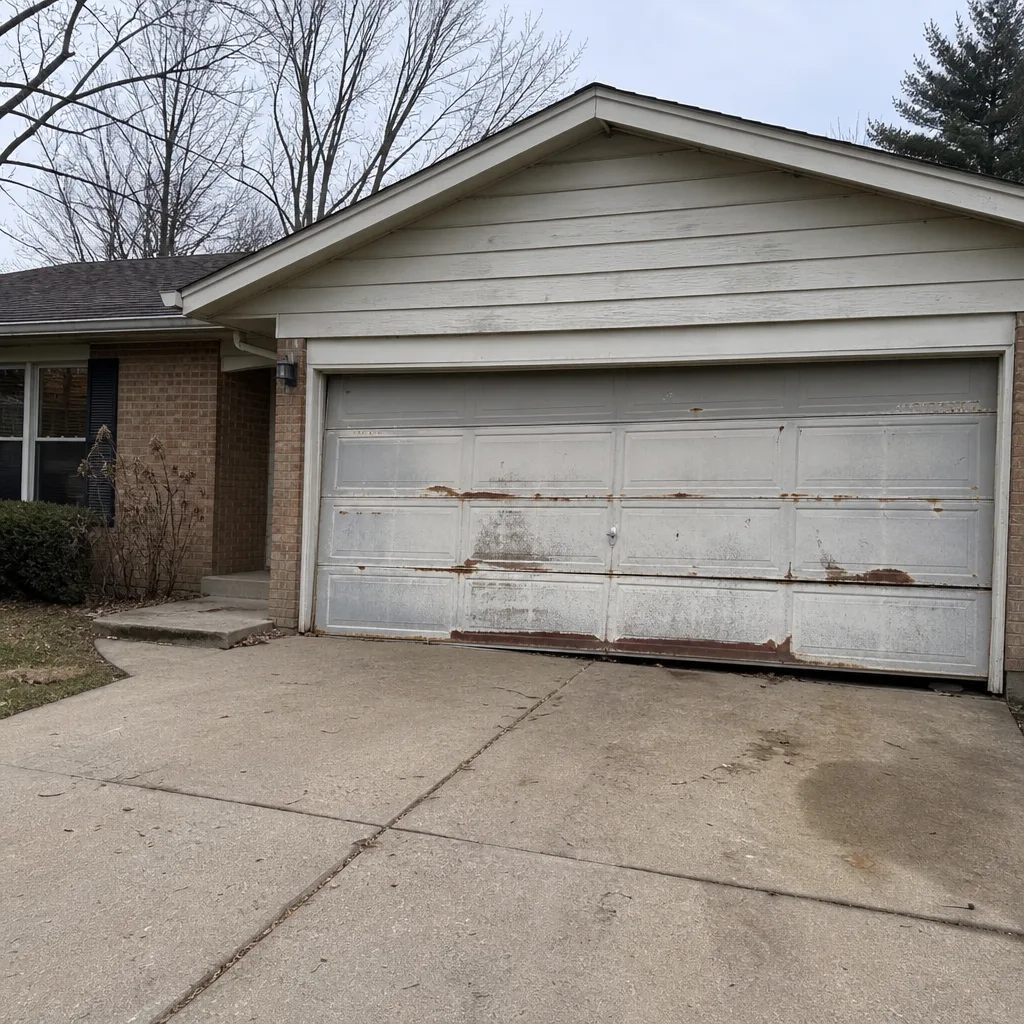 Before
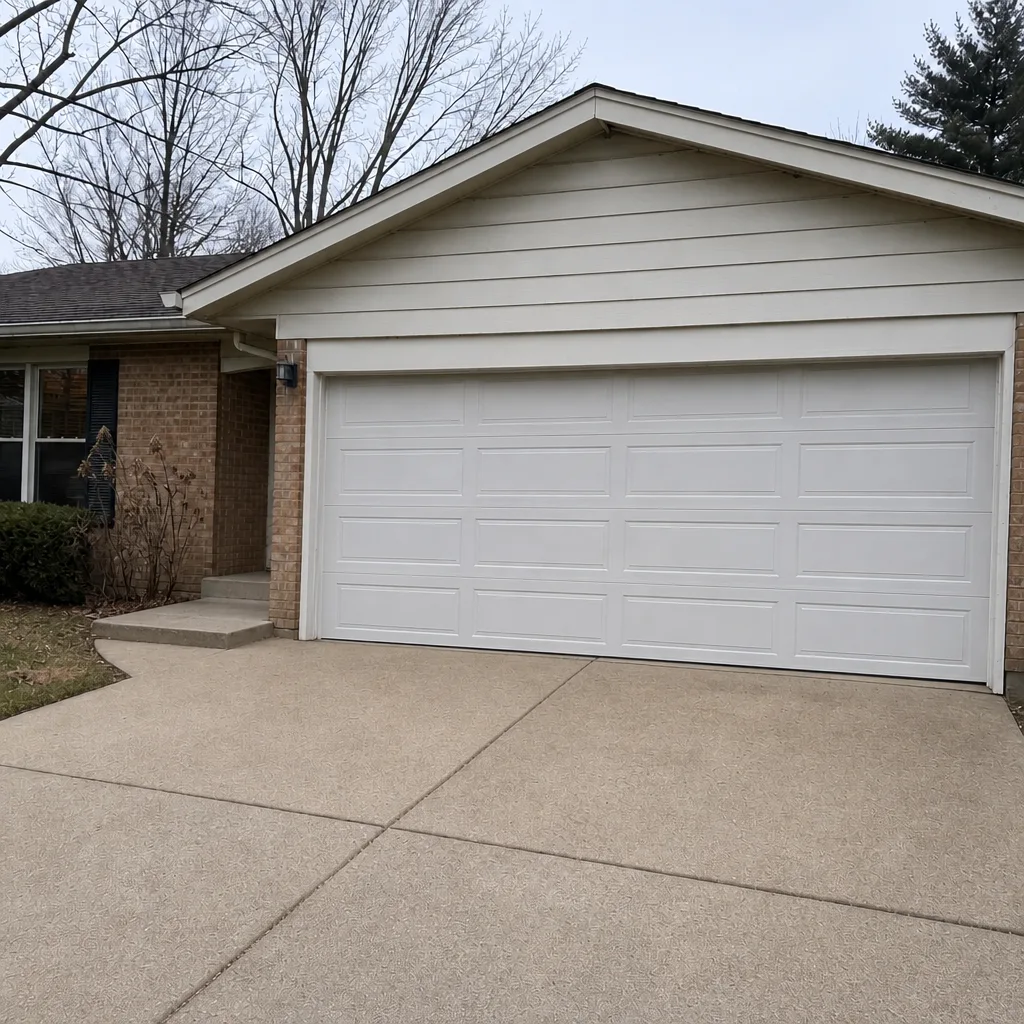 After
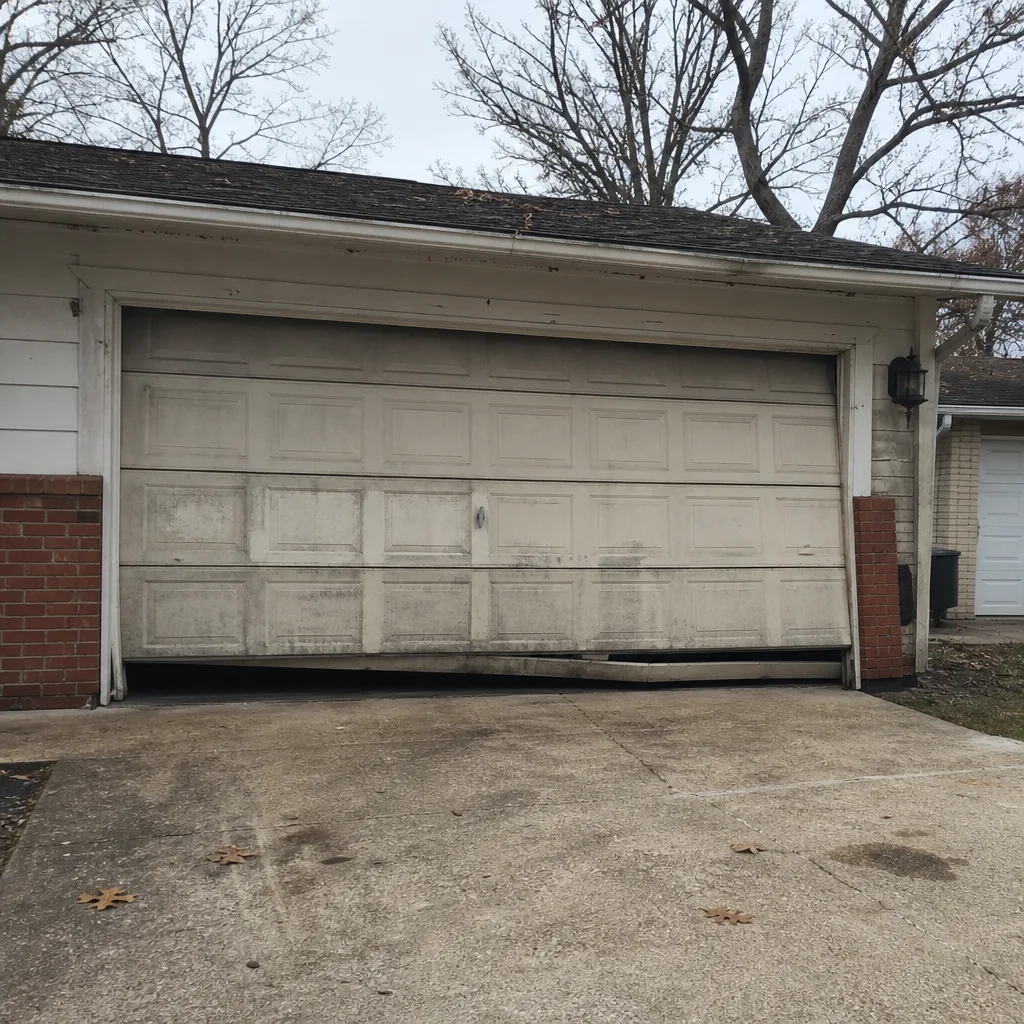 Before
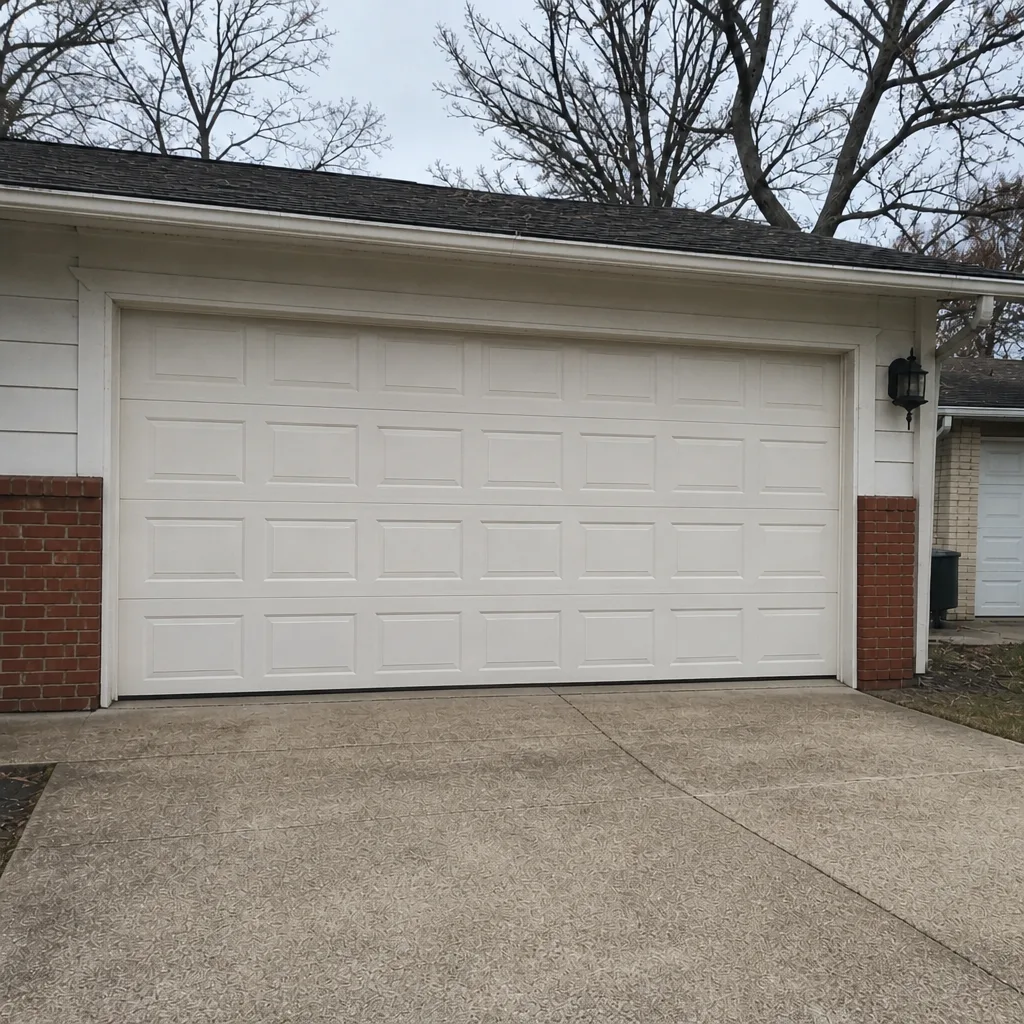 After
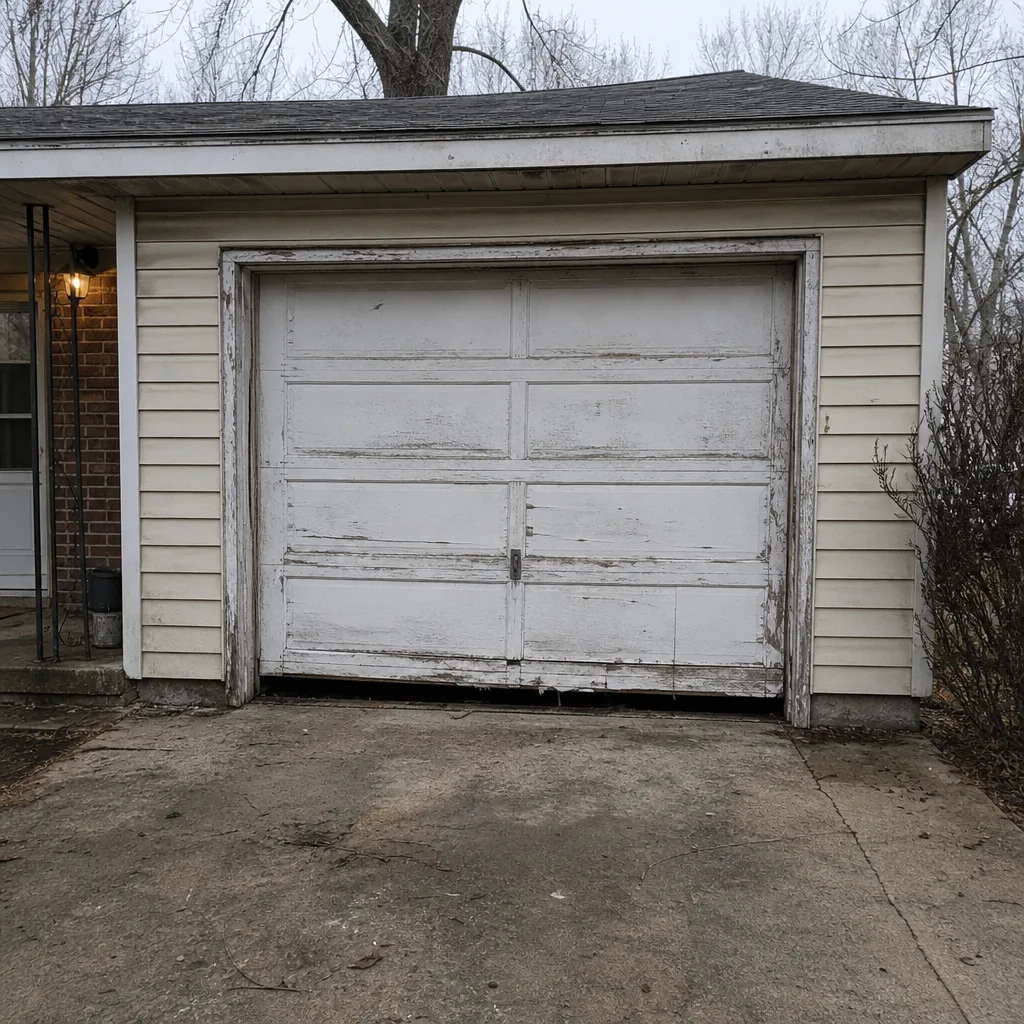 Before
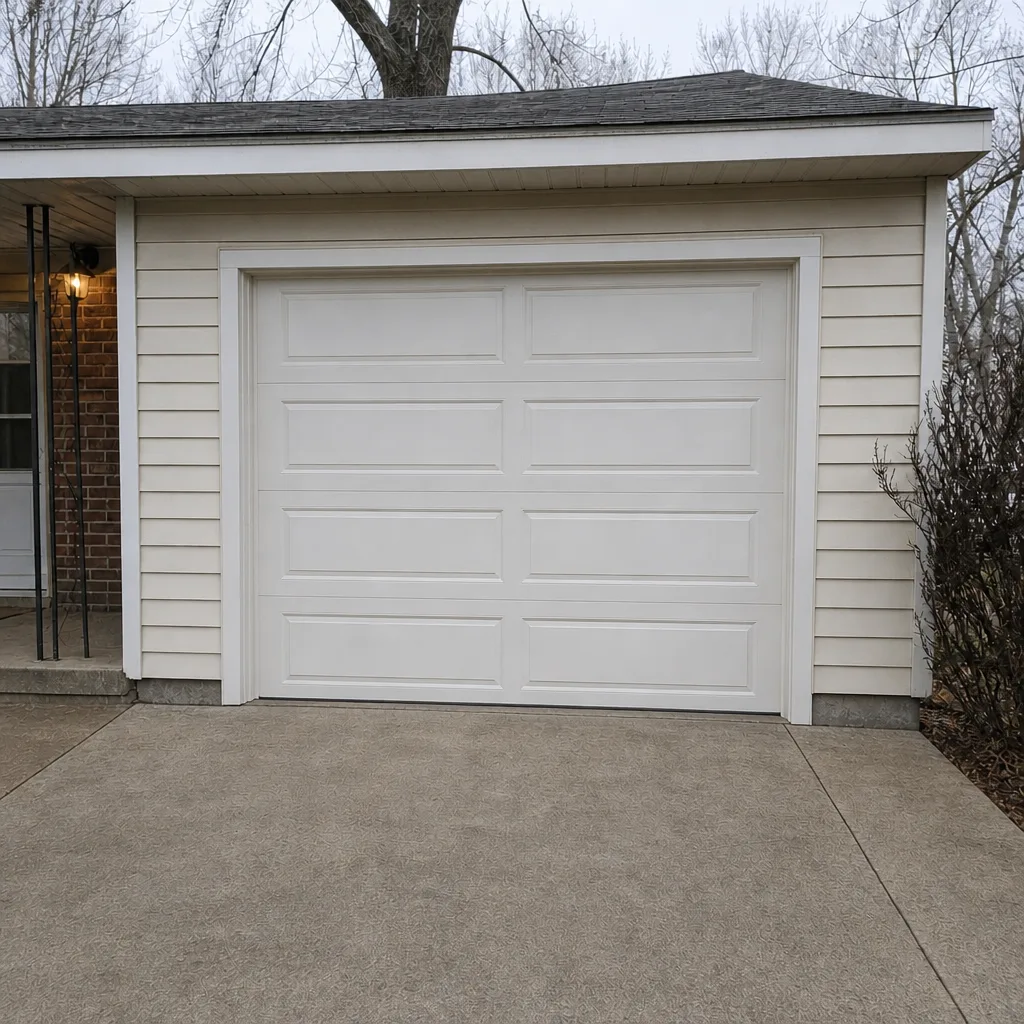 After
When to Call a Professional
Some seasonal care is yours to handle, and some is a call. Call a professional when a spring is visibly rusted, pitted, or snapped; when a cable is frayed or kinked; when the door is unbalanced or unusually heavy; when the opener won’t reverse or behaves erratically after a season change; or when the door is stuck, off its tracks, or frozen to the floor and won’t release. Those situations either involve stored tension that can injure someone or point to problems that get worse with another cold snap. Garage Door Repair Ballwin offers free estimates in Ballwin, and our technicians have up to 10 years of experience with spring repair, opener diagnostics, and full door service across the major brands. Call (877) 770-1711. We answer 24/7. Fast dispatch from 7am to 7pm, Sunday through Friday.
Frequently Asked Questions
Late summer and early fall are the highest-value times to service a door in Ballwin. Late summer is when you can interrupt the humidity-driven corrosion that leads to winter spring failures, and fall is when the door is still easy to move so you can test balance, replace worn seals, and recalibrate the opener before the cold. A spring tune-up is useful too, but the fall sequence does the most to prevent winter emergencies.
Cold makes steel more brittle, and it thickens lubricants so the door takes more force to move. A spring that’s already weakened by rust from a humid summer has less margin, and the first hard freeze removes what’s left. In Ballwin, springs most often fail below roughly 20°F for that reason. A late-summer cleaning and lubrication is the main way to prevent it.
If you can see light under or around the closed door during daylight, or if the seal feels hard, cracked, or flat rather than springy, it’s due. In Ballwin’s climate, a rubber bottom seal typically lasts roughly 3 to 5 years, and shorter on a sun-baked south- or west-facing door. Replacing a seal is straightforward and prevents water from reaching the door’s bottom section.
You can clean and lubricate the hinges, rollers, and bearings on the shaft safely, but you should not be working on the springs themselves, and the springs are where the rust damage matters most. Springs hold extreme tension and can cause serious injury if handled incorrectly. If your springs look rusted or pitted, have a trained technician inspect them rather than touching them yourself.
First check whether the bottom seal has frozen to the floor. If it has, don’t force the door with the opener; call us and we can talk you through safely releasing it. If the floor isn’t frozen and the door is still stuck or feels heavy, a spring or cable may have failed, and the door shouldn’t be forced. Call (877) 770-1711 for an exact quote. Estimates are free.
It reduces the odds considerably but can’t guarantee anything. A door with rusted springs that never got its late-summer treatment is the one most likely to fail in a cold snap, while a door that got cleaned, lubricated, resealed, and balance-tested in fall is far less likely to need an emergency call. The care calendar is about moving the odds, not eliminating winter. Call (877) 770-1711 for a free estimate on any repair or tune-up.
The Bottom Line
In Ballwin, your garage door fails in the season that didn’t cause the problem. August humidity starts the rust; January’s cold finishes it. The fix is to think of care as a loop rather than a checklist: clean and lubricate in late summer, test balance and reseal in fall, stay aware of cold-weather strain in winter, and recalibrate in spring. That loop costs little and prevents the expensive call. If any step turns up rusted springs, frayed cables, or an opener that won’t reverse, stop and call a professional.
One call gets you a free estimate on repairs, tune-ups, spring work, or a new door. Call (877) 770-1711. We answer 24/7. Fast dispatch from 7am to 7pm, Sunday through Friday. Ballwin winters are hard on garage doors, but with the right sequence, you’ll spend far less time thinking about yours.
Written by the team at Garage Door Repair Ballwin.