
Last updated November 23, 2026
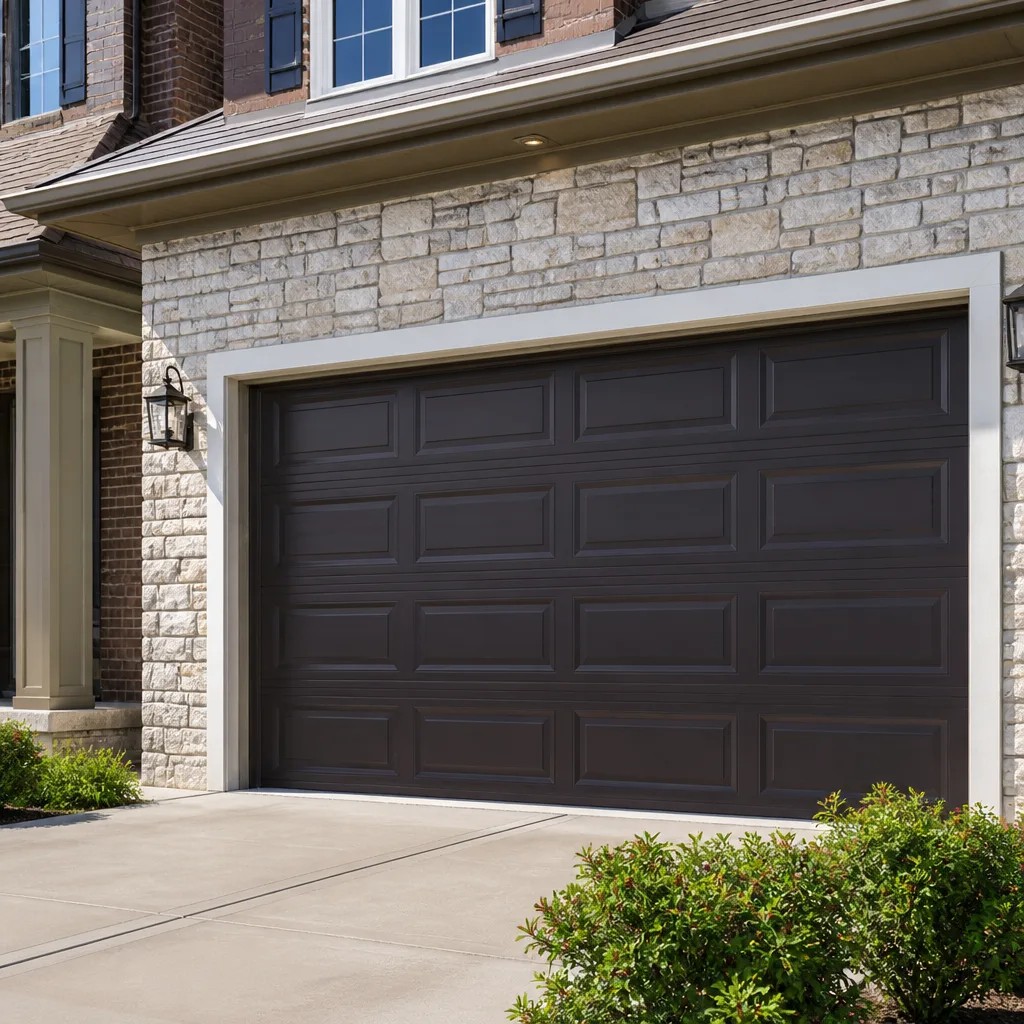 Raised-panel steel
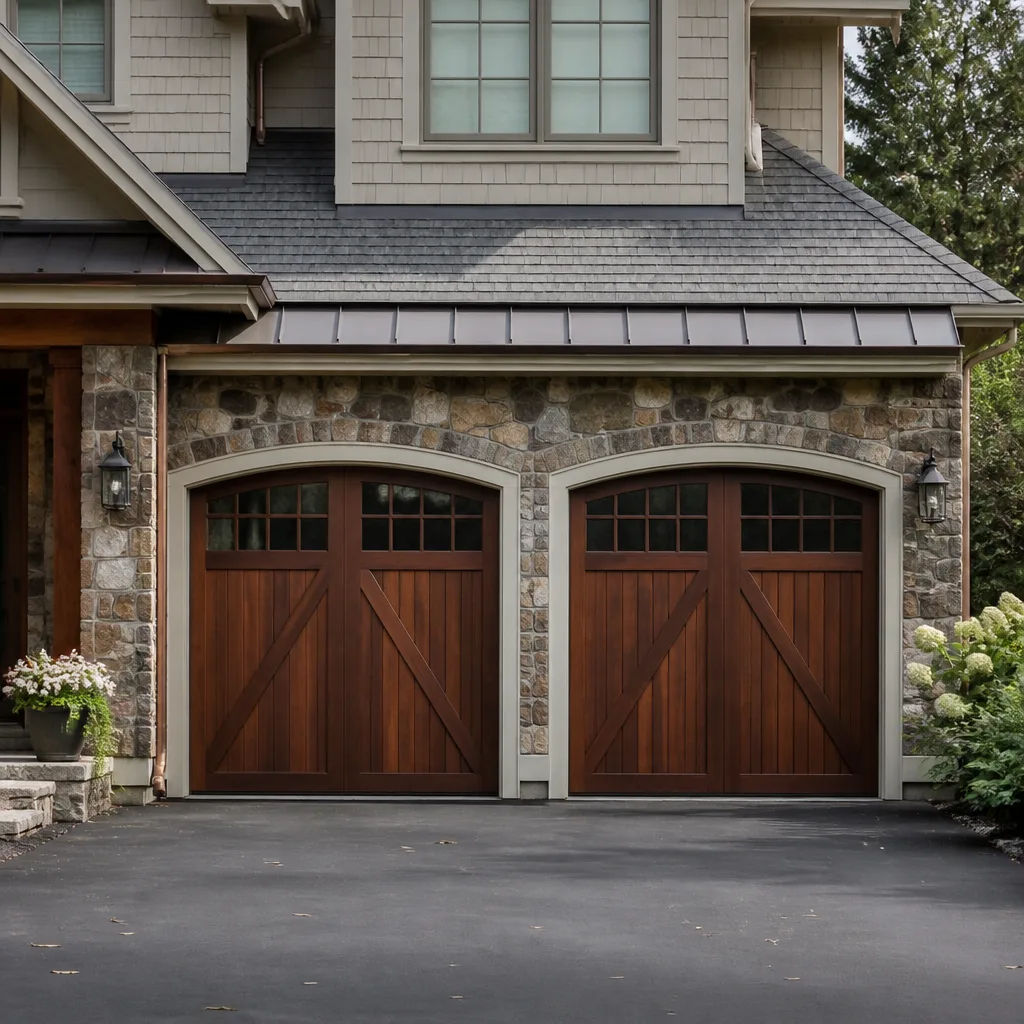 Carriage house
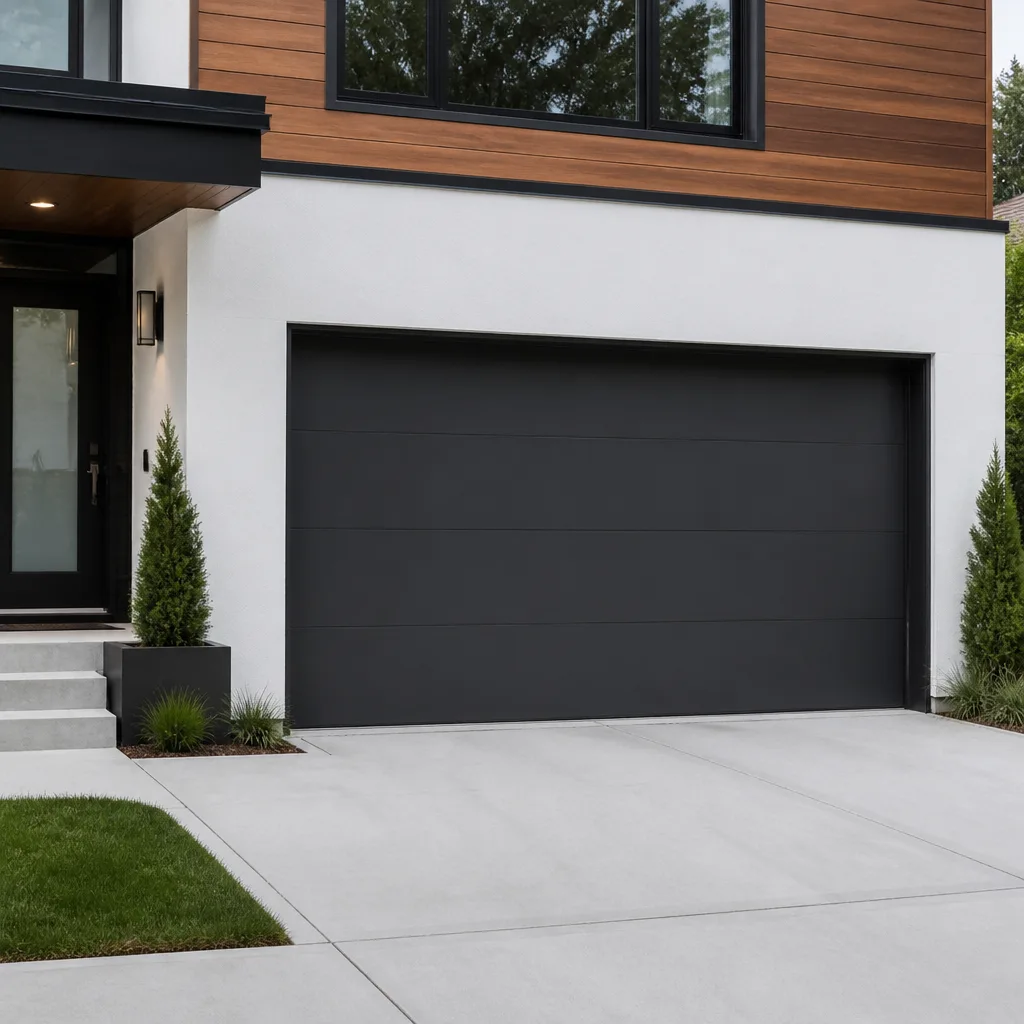 Modern flush
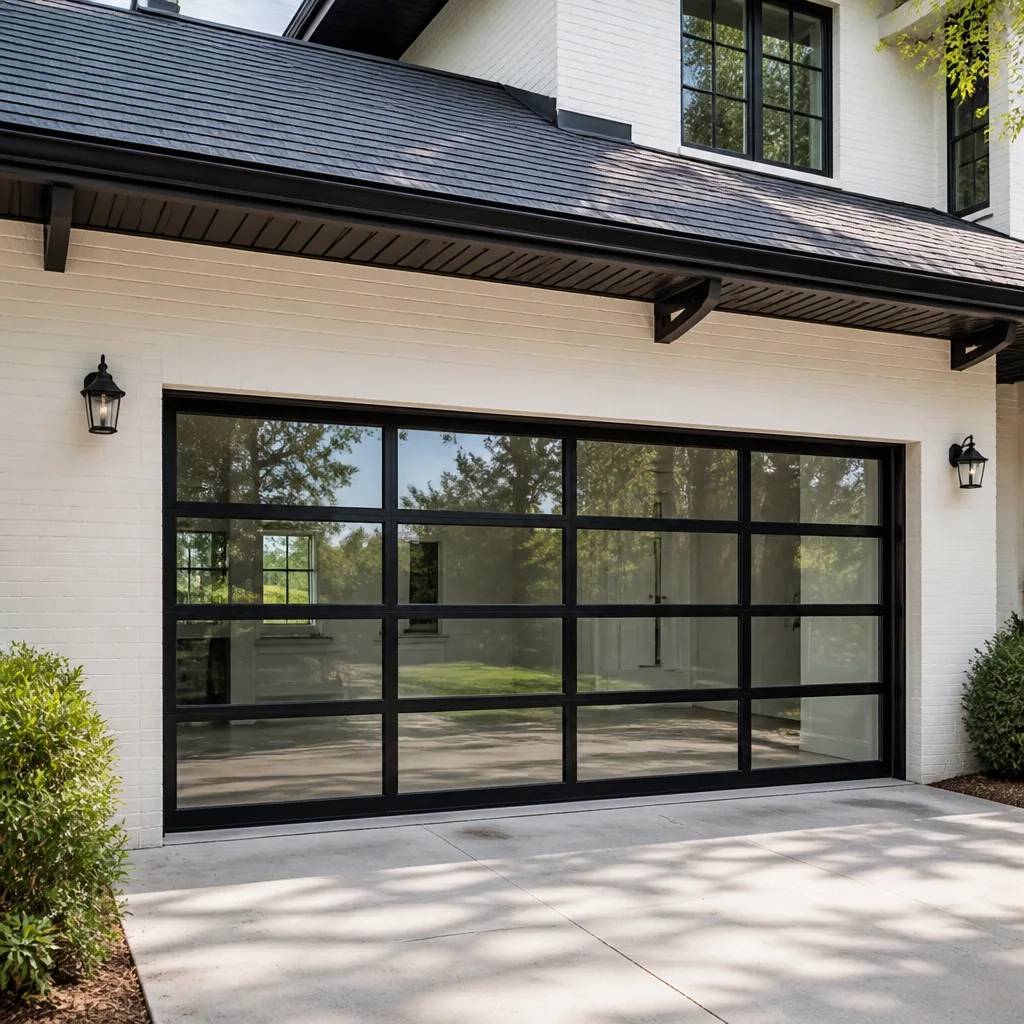 Full-view glass
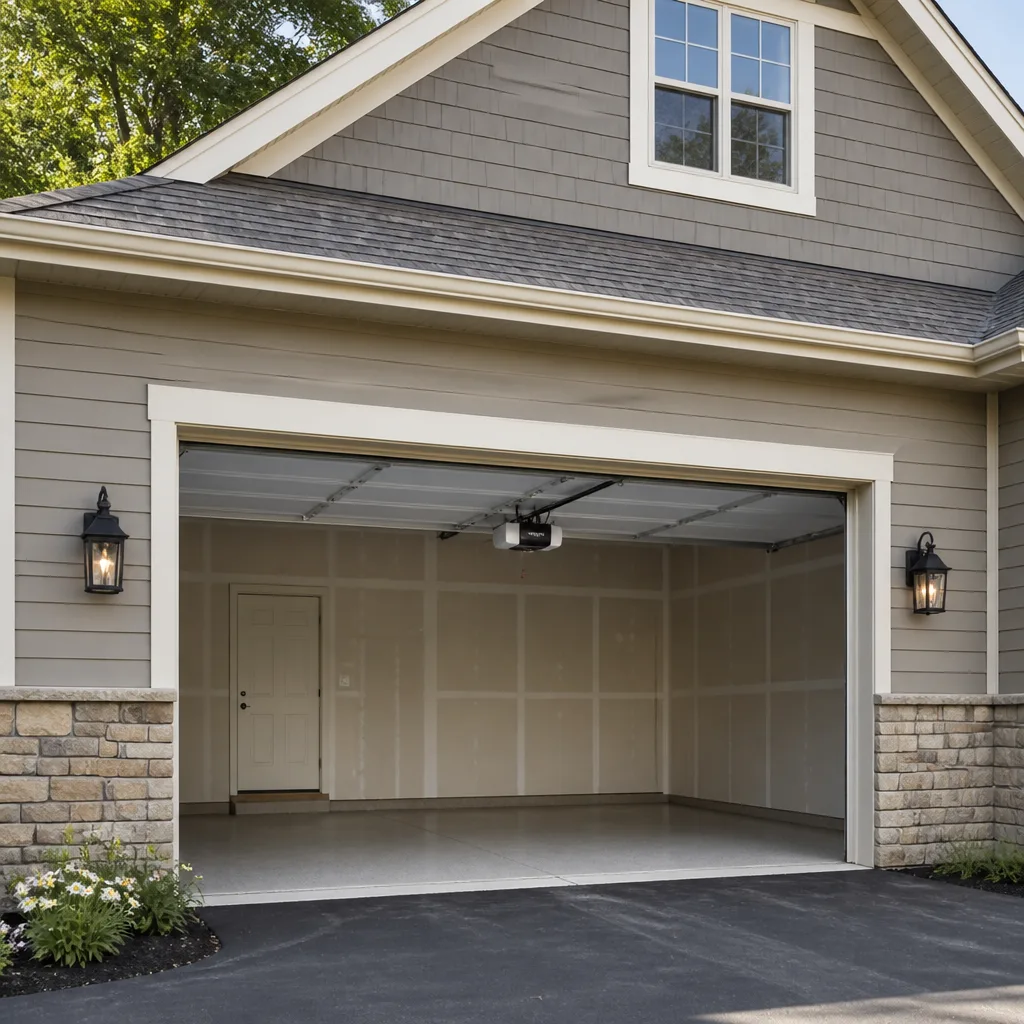 LiftMaster openers
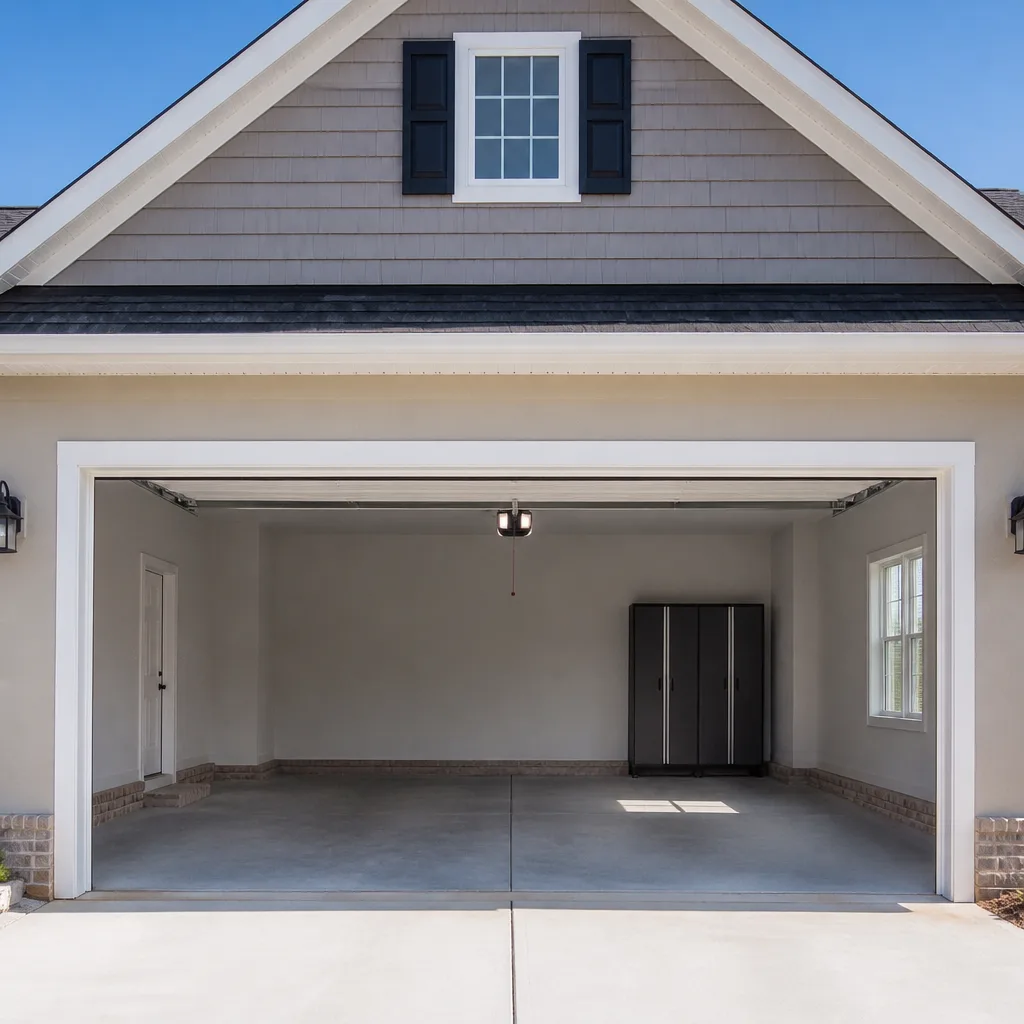 Chamberlain openers
Full 25-point door and opener safety check with every visit - springs, cables, rollers, tracks, and your LiftMaster or Chamberlain opener included
You get a price before we start. It does not change when the pro arrives.
Get your free estimateGarage Door Cost Breakdown: The Ballwin Homeowner’s Reference for 2026
Two quotes for the same spring replacement can differ by $150, and both can be legitimate. Or one can be a lowball that installs undersized springs rated for half your door’s cycle life, which means you’ll be paying again in a few years. The number alone tells you almost nothing until you understand what’s behind it: the spring’s wire gauge, its cycle rating, whether the quote covers one spring or a matched pair, and what the word “labor” is actually hiding. This guide breaks a garage door invoice into its parts so you can compare Ballwin quotes line by line.
Styles & brands we work with
- Raised-panel steel
- Carriage house
- Modern flush
- Full-view glass
- LiftMaster openers
- Chamberlain openers
Quick Answer
A typical garage door repair in Ballwin runs $150 to $450, with spring replacement at roughly $180 to $340 per spring and a matched pair usually costing about twice that. A new single-car door installed generally lands between $900 and $2,500, while a double-car door with insulation and a new opener can reach $4,000 or more. The written estimate you receive before work starts is the price you pay.
Table of Contents
- What Garage Door Work Costs in Ballwin in 2026
- How to Read a Garage Door Quote Line by Line
- Why Spring Pricing Varies So Widely
- Opener Repair and Replacement Costs
- New Door Installation: What Drives the Price
- Repair or Replace: The Actual Math
- Common Mistakes to Avoid
- Frequently Asked Questions
What Garage Door Work Costs in Ballwin in 2026
These are estimated ranges for the Ballwin market, not fixed prices. Every job is different, and the written estimate sets the final number. Use the table to sanity-check a quote, not to negotiate one down.
| Service | Typical Estimated Range | Notes |
|---|---|---|
| Torsion spring replacement (one spring) | $180 – $340 | A matched pair is usually replaced together, so a pair costs about twice that |
| Extension spring replacement (one spring) | $150 – $280 | Older doors often use extension springs |
| Cable replacement (per side) | $90 – $180 | Usually done in pairs |
| Roller replacement (set of 10-12) | $100 – $200 | Nylon rollers quieter than steel |
| Panel replacement (single section) | $180 – $500 | Depends on door model and color match |
| Opener repair | $120 – $280 | Gear, capacitor, logic board, or sensor issue |
| New opener installed | $350 – $750 | Belt drive and smart features push toward the top |
| New single-car door installed | $900 – $2,500 | Steel base model to insulated carriage style |
| New double-car door installed | $1,500 – $4,000+ | Insulation and window options raise the ceiling |
Ballwin’s housing stock includes a lot of two-car attached garages built from the 1970s through the 1990s, and those doors have predictable failure points. The original steel panels hold up, but the springs behind them have usually cycled through their rated life by now. When we quote a spring job in Ballwin, we’re often quoting the second or third spring that door has ever had. That matters for pricing because a door’s age affects whether the brackets and cables can handle new spring tension without additional work.
For a specific failure, the fastest path is a free estimate. Call (877) 770-1711 and describe what the door is doing. We answer 24/7. Fast dispatch, 7am-7pm. For a full rundown of what we handle, see Garage Door Repair Ballwin.
How to Read a Garage Door Quote Line by Line
A garage door quote has three parts that should be separate and itemized: parts, labor, and any trip or service charge. If a quote arrives as one lump number with no breakdown, ask for the breakdown before you agree to anything. A technician who knows the trade can produce it in two minutes.
Here’s how a properly itemized quote should read, and what each line should and shouldn’t include.
- Parts. The line should name the specific component and, for springs, the wire size and cycle rating. “Springs” alone is not a parts line. “Two torsion springs, 0.250 wire, 25,000 cycle” is a parts line.
- Labor. This covers the technician’s time and the tools to do the job safely. On a spring replacement, that means winding bars, proper tension release, and a balance check afterward. Labor should be quoted per job, not per hour, so you’re not exposed to a clock you can’t see.
- Service or trip charge. Some companies charge one; some don’t. Ask directly. It should appear on the quote if it applies, never surprise you on the invoice.
- Disposal. Old springs, cables, and panels have to go somewhere. If there’s a disposal line, it should be small and stated.
- What’s excluded. A good quote tells you what it does not cover. If the technician finds a bent track or a failing bearing plate once the door is open, that’s a separate line you should approve before it’s added.
The one question worth asking on every quote: “Is this the total, or is this an estimate that can go up?” The answer should be that the written estimate is the price, and any additional work gets your approval first. When a quote is agreed before the work starts, the invoice at the end matches it.
One more thing to watch for: a quote that bundles a spring replacement, a tune-up, and a “safety inspection” into one price without breaking them out. Sometimes that’s convenient. Often it’s a way to hide a markup on the spring. Ask for the spring line separately. For what’s involved in that specific job, our page on garage door spring repair walks through the process and the risks.
Why Spring Pricing Varies So Widely
Garage door springs store enough tension to cause serious injury, and that tension is also why their price swings so much between quotes. Three things determine what a spring costs: the type, the wire size, and the cycle rating. A fourth factor is whether you’re getting one spring or the matched pair.
Torsion springs mount above the door on a shaft. Extension springs run along the tracks on either side. Torsion springs generally last longer and are safer when they fail, which is why most modern doors use them. If your door has extension springs and one breaks, the pair should usually be replaced together because they’ve cycled the same number of times.
Now the part most homeowners never hear. A spring’s cycle rating is the number of open-and-close cycles it’s built to survive before it’s expected to fail. A standard spring might be rated for around 10,000 cycles. A high-cycle spring with thicker wire might be rated for 25,000 or more. The high-cycle spring costs more up front, but if your household opens the door four times a day, the math works out fast.
- Wire diameter. Thicker wire means more tension capacity and a higher price. It also means the spring is matched to your door’s actual weight.
- Cycle rating. A 25,000-cycle spring typically costs more than a 10,000-cycle spring, but lasts two and a half times as long under the same use.
- One spring vs. a pair. A door with two torsion springs should generally get both replaced at once. If only one breaks and you replace only that one, the older spring is on borrowed time and you’ll pay for a second service call soon.
- Inside diameter and length. These must match your existing setup. A technician measures before ordering.
This is where a lowball quote comes from. An undersized spring rated for half your door’s cycle life will work on day one. It just won’t last. When a quote comes in significantly under the others, ask what cycle rating the spring carries. If the answer is vague, that’s your answer.
For a Ballwin door that gets opened and closed a lot, a higher-cycle spring is usually the better value over the life of the door. That’s a conversation to have with the technician, not a decision to make from a price list.
Opener Repair and Replacement Costs
Opener trouble is often misdiagnosed as a door problem. If the door hums but doesn’t move, or the remote stops working, the opener is the first place to look. Repairing one is usually cheaper than replacing it, but only if the unit is worth repairing.
We work on openers from LiftMaster, Chamberlain, Genie, Craftsman, and the other major brands, so there’s no need to wonder whether your specific model qualifies. That matters because openers from different manufacturers fail in different ways. A LiftMaster logic board issue and a Genie gear failure are different repairs with different parts and different costs.
- Diagnose first. A technician checks the safety sensors, the wall control, the remote, and the drive mechanism before quoting anything. A sensor misalignment is a small fix; a stripped gear is a bigger one.
- Repair if the unit is sound. A capacitor, gear, or sensor replacement on an opener that’s otherwise healthy is usually the sensible call.
- Replace if the unit is failing in multiple ways. An opener that’s stripped a gear, lost its logic board, and has a failing motor isn’t worth chasing. Replacement starts around $350 installed and goes up with belt drive and smart features.
Ballwin garages tend to get hot in summer and cold in winter, and that swing is hard on opener lubricant and the plastic gears inside older units. A door that works fine in spring but strains in January is often an opener issue, not a spring issue. Our garage door opener repair page covers the common failure modes and what each one means.
New Door Installation: What Drives the Price
New door installation is a scheduled project, not an emergency fix. That’s the main difference from repair pricing: there’s time to measure, order, and plan, which is why the estimate is usually more predictable. We don’t promise same-day installation for a new door, because a door has to be measured and ordered to fit your opening. What we do promise is a free measure and a written price before anything is ordered.
Four variables drive the installed cost:
- Material. Steel is the most common and the least expensive. Aluminum holds up well without rusting, wood and wood-composite doors sit at the top of the range, and vinyl is a smaller category but available. The material sets the floor price.
- Insulation. An uninsulated steel door is a thin sheet of metal. An insulated door with a polyurethane core holds temperature and quiets the door significantly. For a Ballwin garage that shares a wall with the house, insulation usually pays back in comfort, and if you use the garage as a workspace it’s worth the upgrade.
- Opener grade. If you’re replacing the door, the opener often goes too. A basic chain drive is the entry point; a belt drive is quieter; smart features that pair with your phone add cost.
- Installation complexity. A standard opening in a standard garage is straightforward. An oversized opening, a low-clearance ceiling, or an older garage that needs track and bracket work adds time and material.
We install doors from Clopay, Amarr, Wayne Dalton, and Raynor, among others, which means you can compare styles without us steering you to a single brand. For the full scope of what installation involves, our main garage door repair page is a useful starting point before you request a measure.
Repair or Replace: The Actual Math
The threshold isn’t a dollar figure. It’s a comparison between the cost of the repair and the expected life you get from it, weighed against the cost of a new door and its expected life. Here’s the math, plainly.
Say a door is 20 years old and needs new springs, cables, and rollers. That’s a repair in the $400 to $700 range depending on the door. You now have a door that opens and closes reliably. The springs have a fresh cycle rating ahead of them, but the panels are still 20 years old. If the panels are sound and the tracks are straight, that repair is usually the right call.
Now say the same 20-year-old door has a bent bottom section, a rusted-through panel, and a failing opener on top of the spring issue. The repair cost climbs toward the low end of a new door. At that point, a new door with a warranty and modern insulation is often the better use of the money.
Here’s the rough guide:
- Repair when the door’s frame and panels are sound, the repair is a single component or a small set, and the total repair cost is well under half the cost of a new door.
- Repair when the door is newer and the failure is mechanical rather than structural. A door under 10 years old with a broken spring is a repair.
- Replace when multiple major components fail together, when the door is visibly failing (rust, rot, bent track), or when the repair cost approaches half the cost of a new door.
- Replace when the door’s insulation is poor and you want the comfort and quiet a modern door provides. That’s not a pure cost call; it’s a value call.
When the repair crosses that threshold, the honest answer is to say so. A specialist with full-lifecycle capability, meaning both repair and installation, isn’t losing anything by telling you the truth. That’s why we handle both, and why we’d rather walk you through the math than sell you a repair you’ll regret.
Common Mistakes to Avoid
- Comparing a single-spring quote to a pair quote. A quote for one spring and a quote for a matched pair aren’t the same job. A door with two torsion springs should generally get both replaced at once, so a pair quote is usually the honest one.
- Ignoring the cycle rating. A cheap spring that’s rated for half the cycles of a better one is not a savings. Ask what the cycle rating is before you agree.
- Letting a lump-sum quote slide. If the quote isn’t itemized into parts and labor, ask for the breakdown. A technician who knows the work can produce it.
- Assuming a stuck door is a spring problem when it’s an opener problem. The two look similar from the driveway. A proper diagnosis before a repair quote is what separates a real fix from a guess.
- Attempting spring work alone. Springs are under extreme tension. This is not a DIY job, and the injury risk is real. Call a trained technician.
- Replacing an opener without checking the door first. If the door’s springs are weak, a new opener will work harder than it should and fail sooner. Fix the door, then judge the opener.
- Ignoring what an estimate excludes. A quote that doesn’t state what’s not covered leaves the door open for add-on charges. Ask before you agree. Ballwin garages with older hardware often have surprises under the track, so clarity matters more here than in a new build.
When to Call a Professional
Call when a spring breaks, when the door won’t open or close all the way, when it comes off the tracks, or when the opener runs but the door doesn’t move. Call when a panel is dented or the door is visibly sagging. Call when the door reverses for no obvious reason, or when you hear a bang from the garage. Any of these can leave the garage unsecured or block your car, and none of them are safe to diagnose by hand.
Garage Door Repair Ballwin offers free estimates in Ballwin. Call (877) 770-1711. We answer 24/7. Fast dispatch, 7am-7pm. Our technicians have up to 10 years of experience, and we work on the major brands, so you don’t have to guess whether your system qualifies.
Frequently Asked Questions
Most garage door repairs in Ballwin run about $150 to $450, with spring replacement at roughly $180 to $340 per spring. A matched pair usually costs about twice that because both springs are replaced together. The written estimate you receive before work starts is the price you pay, so ask for it itemized. Call (877) 770-1711 for an exact quote. Estimates are free.
Same-day service is often available for repair and emergency calls, depending on the schedule. We answer 24/7 and dispatch Sunday through Friday, 7am to 7pm, so a call outside those hours gets booked into the next opening. Same-day work is not priced higher than scheduled work; the price is set per job by the written estimate. Call (877) 770-1711 to check availability.
No, not once you’ve agreed to the written estimate. A technician diagnoses the door, writes the price, and you approve it before any work starts. If a second problem turns up, it’s quoted separately and you decide whether to add it. If a quote arrives without that approval step, ask for it before proceeding. Call (877) 770-1711 to get yours in writing.
The local pros we connect you with are licensed and insured as their state requires. Our technicians have up to 10 years of experience, and we work on the major brands, including LiftMaster, Wayne Dalton, Craftsman, and Raynor. We can work with your schedule for a free estimate. Call (877) 770-1711 to book one.
Mostly because springs are not interchangeable. A matched pair with a high cycle rating costs more than a single low-cycle spring, and the difference in price reflects how long each will last. A cheap spring that’s rated for half the cycles is not a savings over the life of the door. Call (877) 770-1711 and ask for a quote that states the cycle rating, so you’re comparing like with like.
Usually yes, if your door has two torsion springs. Both springs have cycled the same number of times, so the second one is likely close to failing too. Replacing only the broken spring means a second service call soon. The estimate should state clearly whether it covers one spring or a pair. Call (877) 770-1711 to confirm what your door needs.
The Bottom Line
Garage door pricing is opaque until you break it apart. Springs, cables, rollers, panels, and openers each have their own range in the Ballwin market, and a single lump sum hides the difference between a fair quote and a short-lived one. Read every quote line by line. Ask about cycle ratings. Confirm whether the estimate covers one spring or a pair. And get the price in writing before any work starts. The number alone doesn’t tell you much. What’s behind the number tells you everything. For a free estimate, call (877) 770-1711. We answer 24/7. Fast dispatch, 7am-7pm, Sunday through Friday.
Written by the team at Garage Door Repair Ballwin.
See the difference
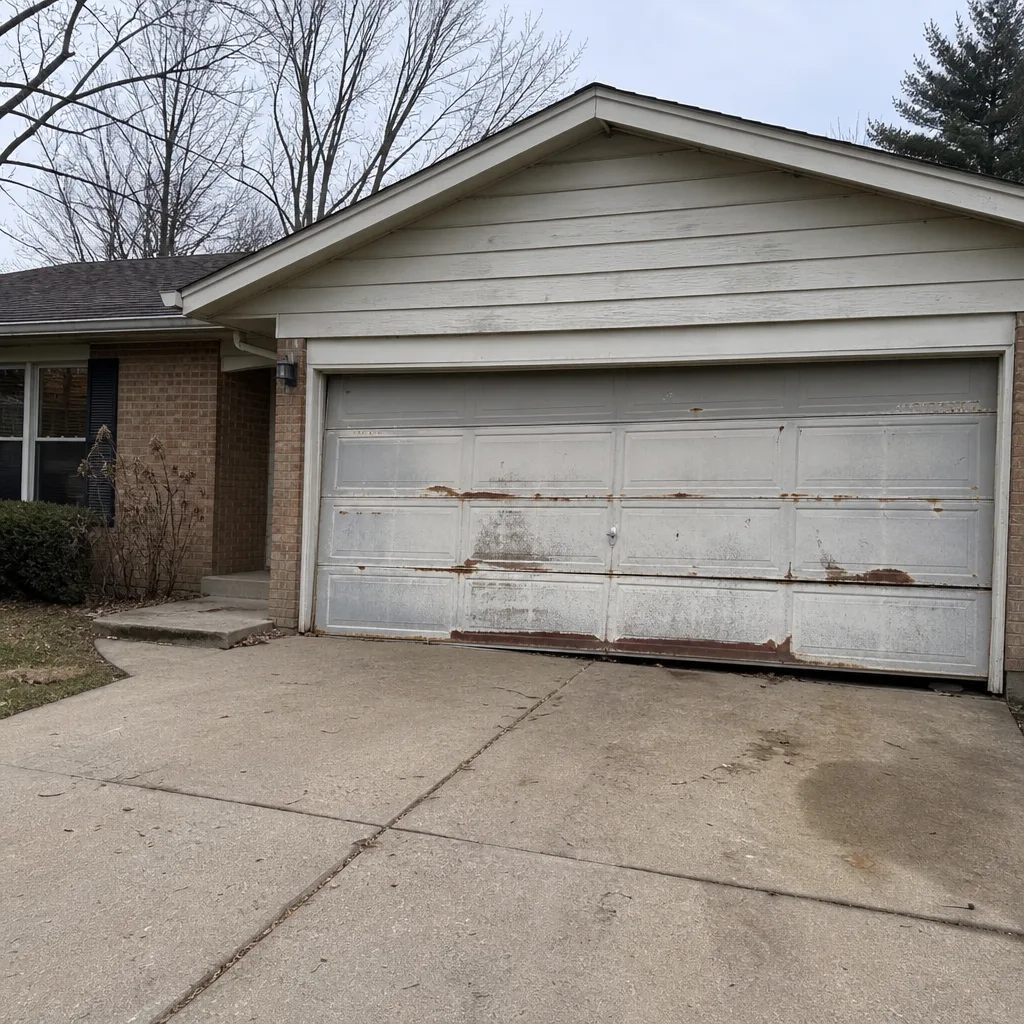 Before
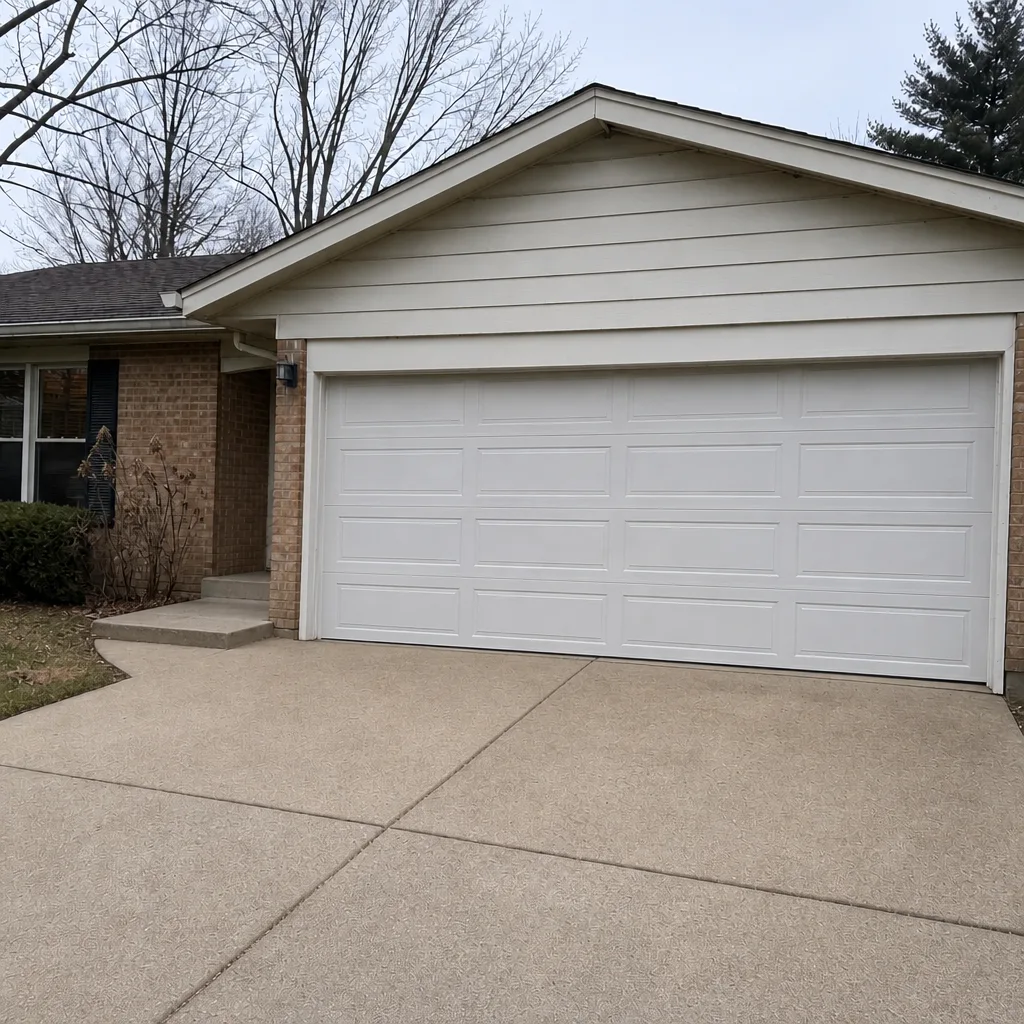 After
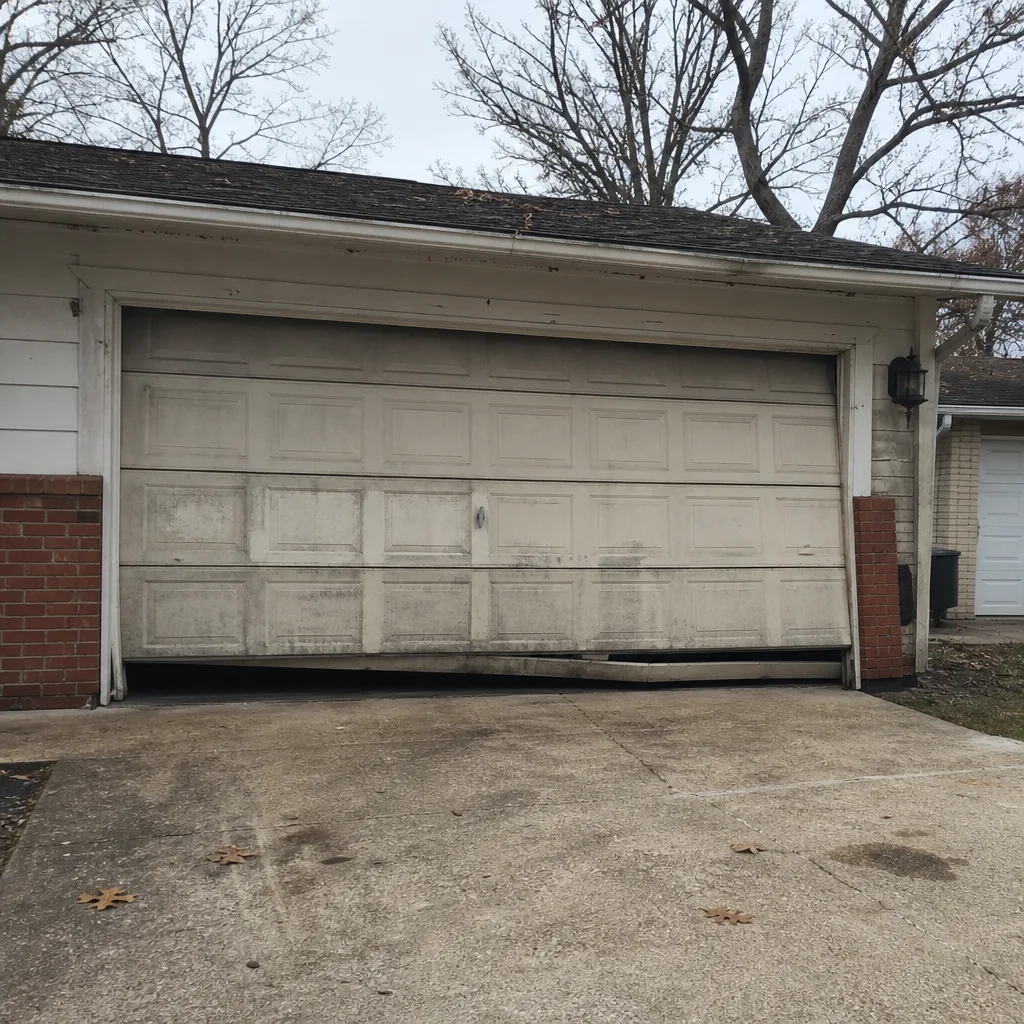 Before
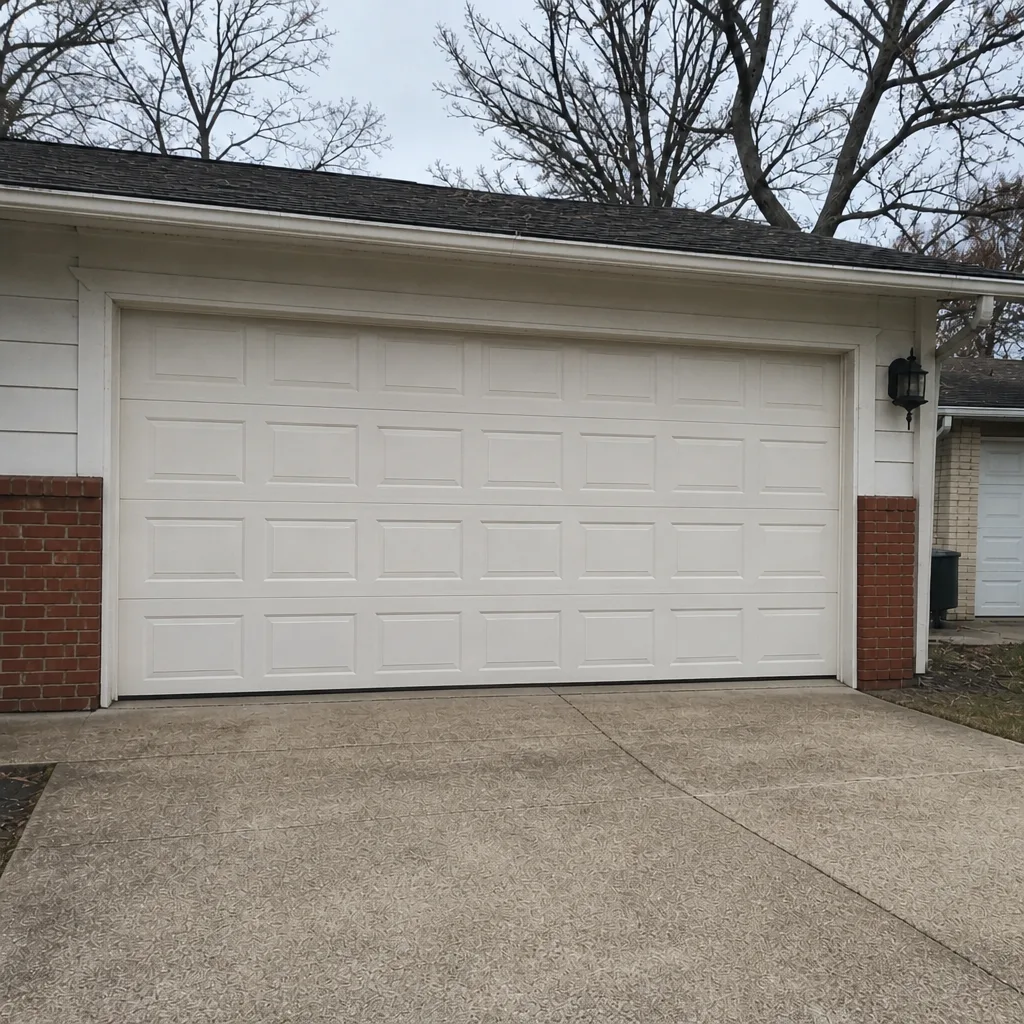 After
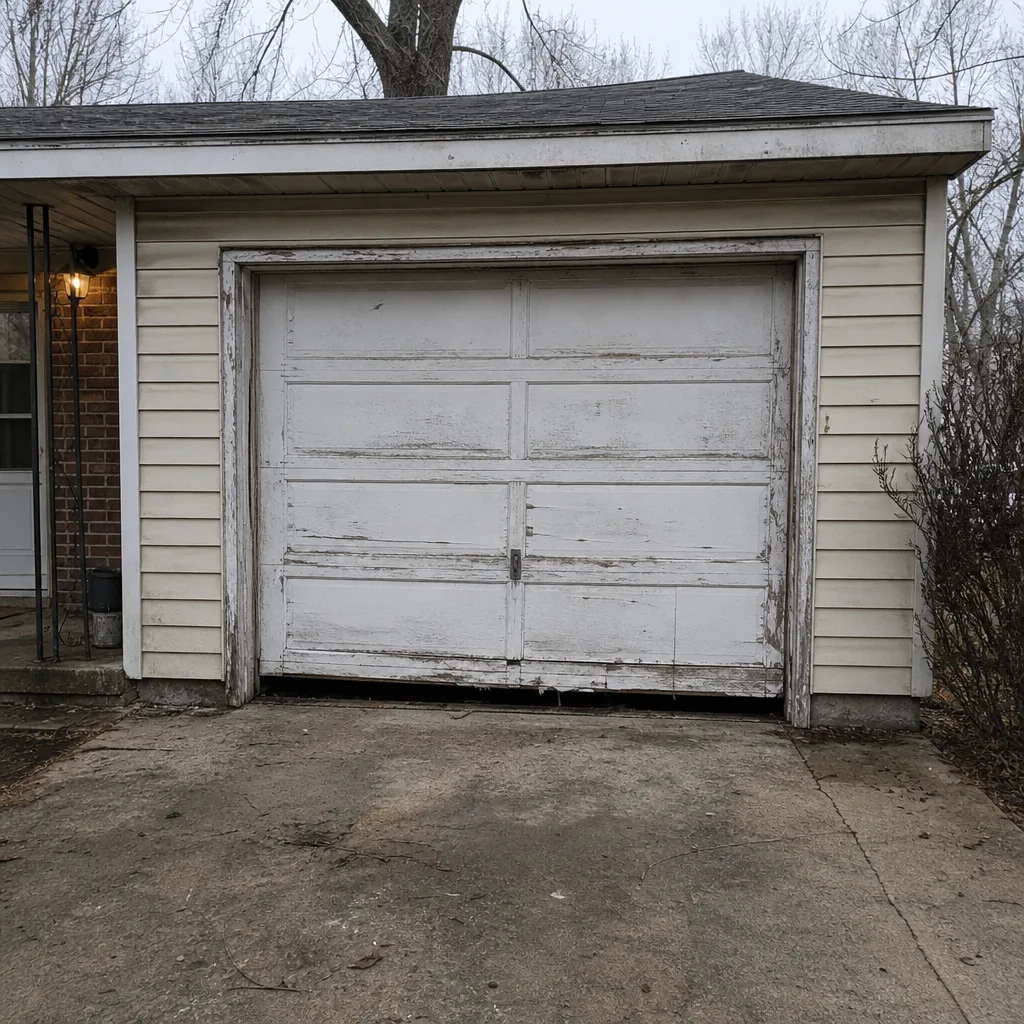 Before
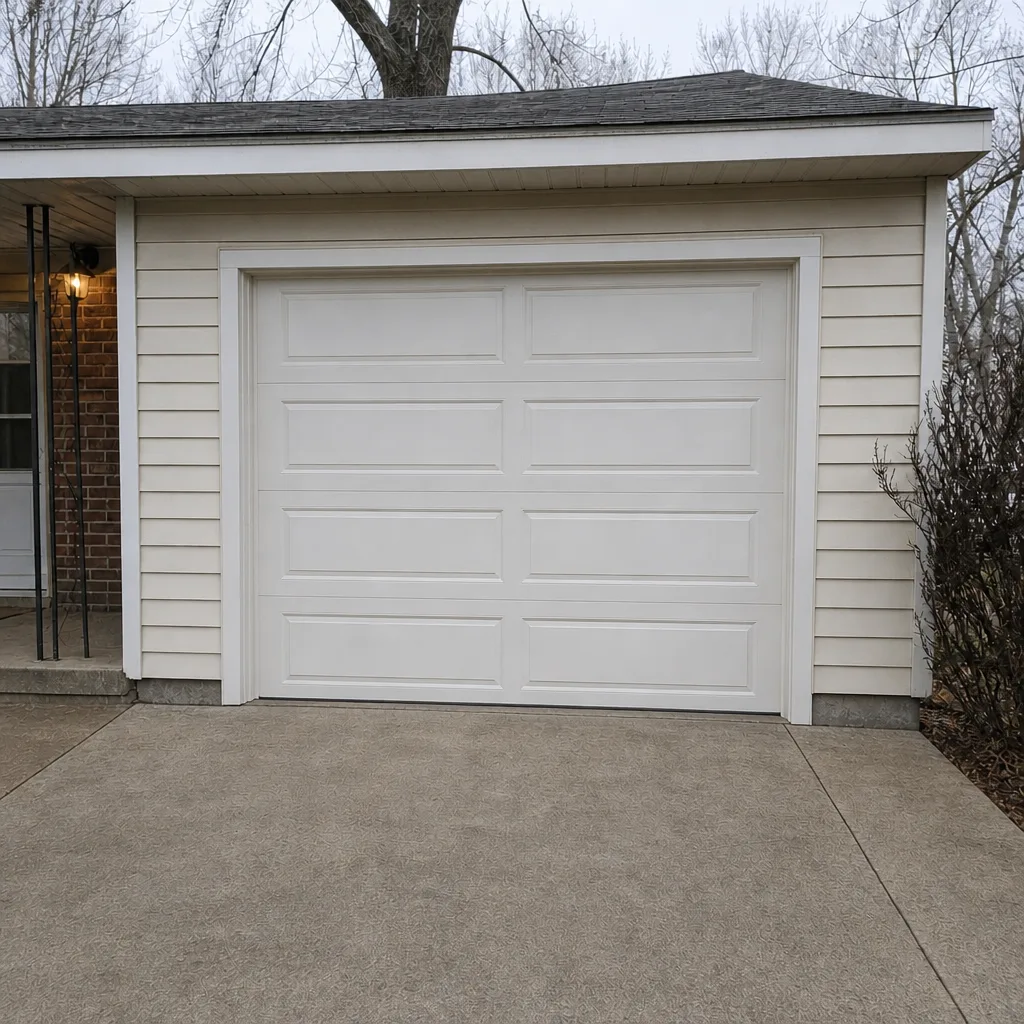 After