
Last updated November 23, 2026
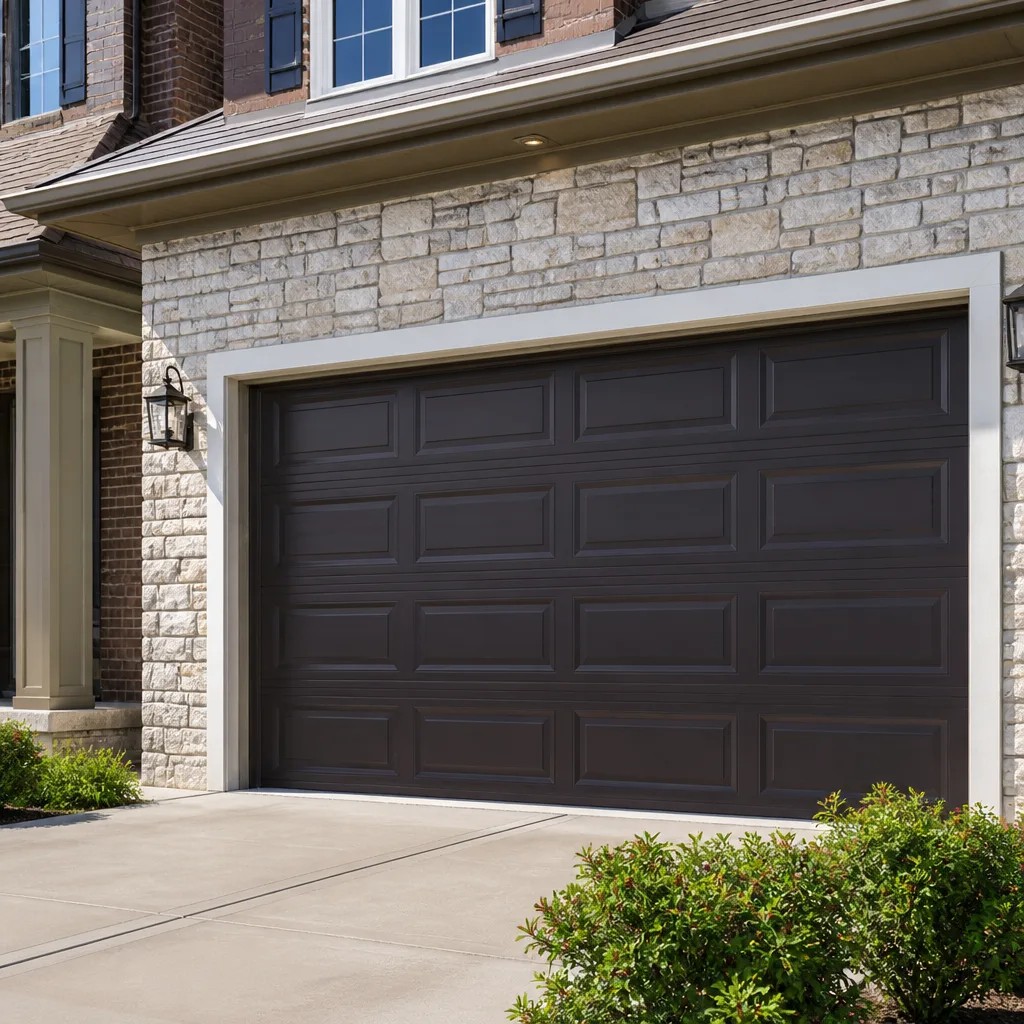 Raised-panel steel
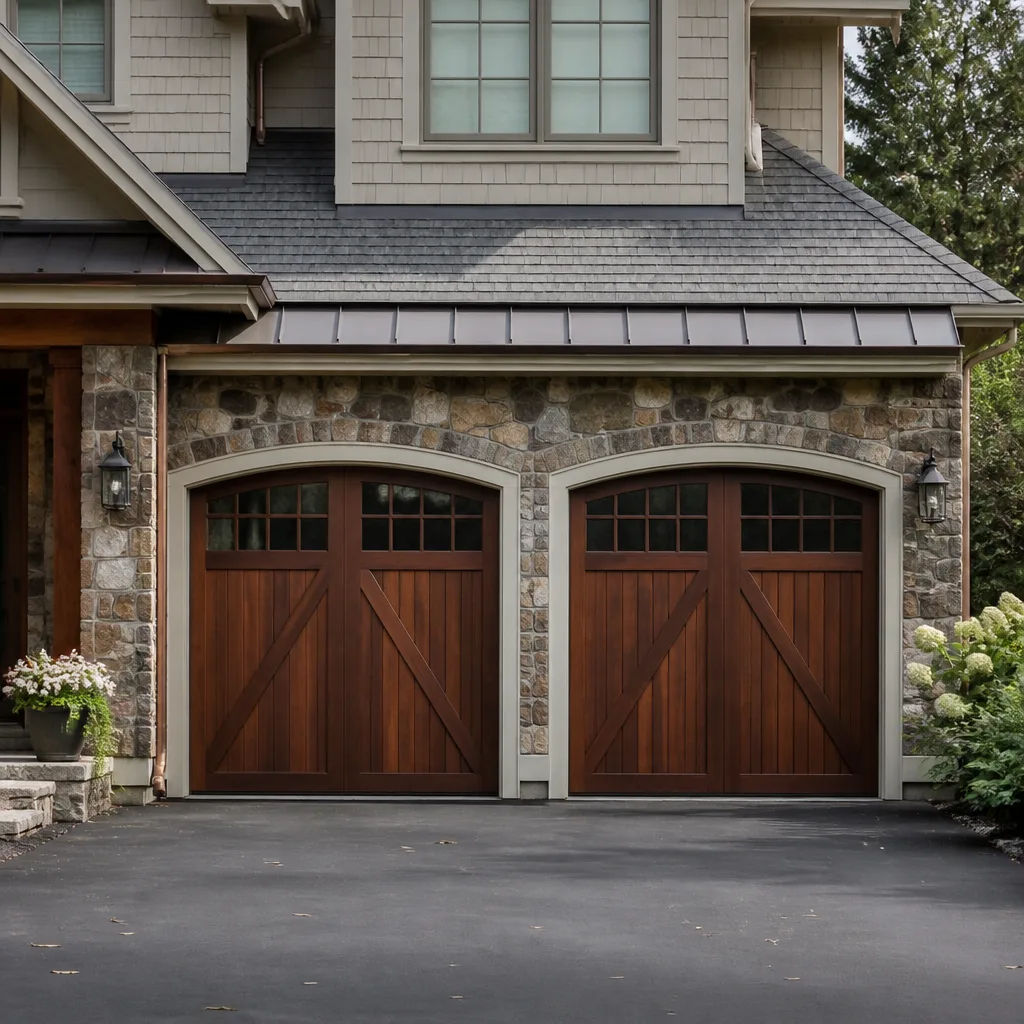 Carriage house
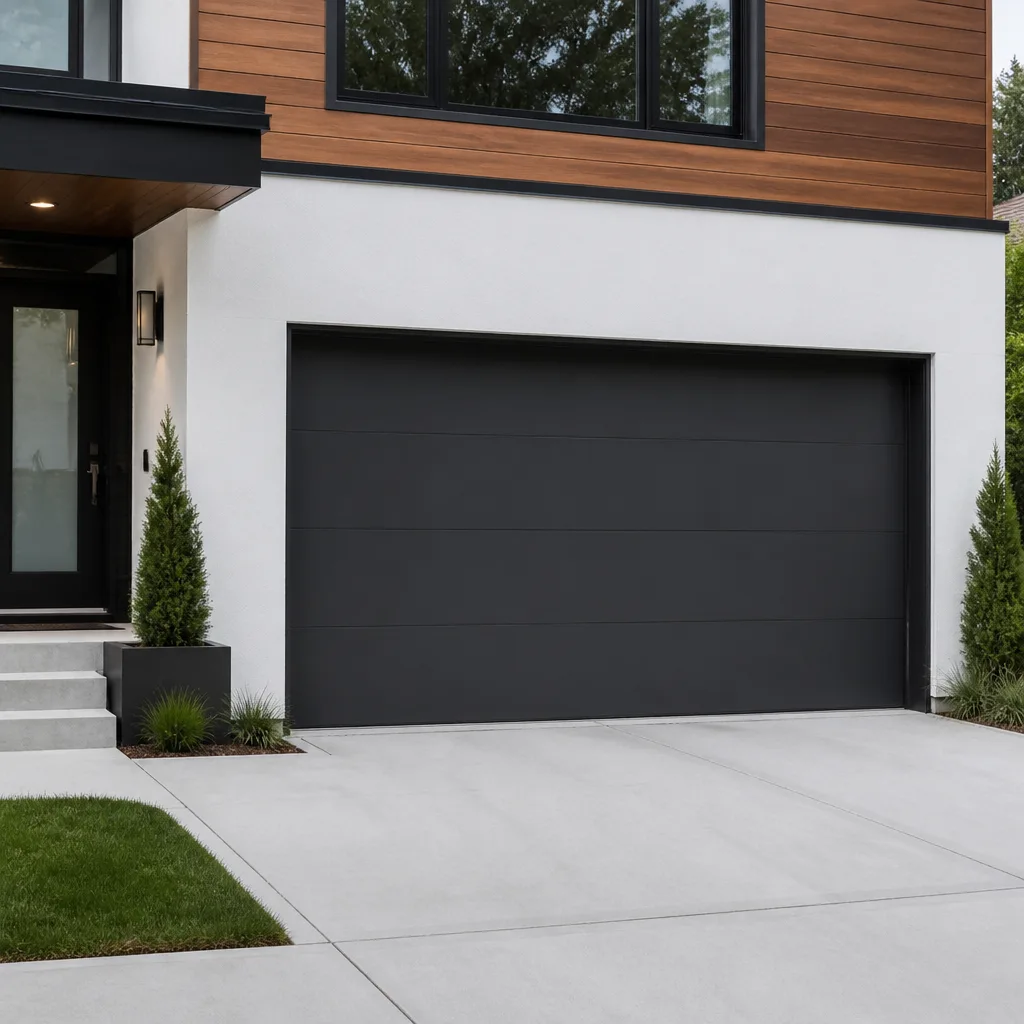 Modern flush
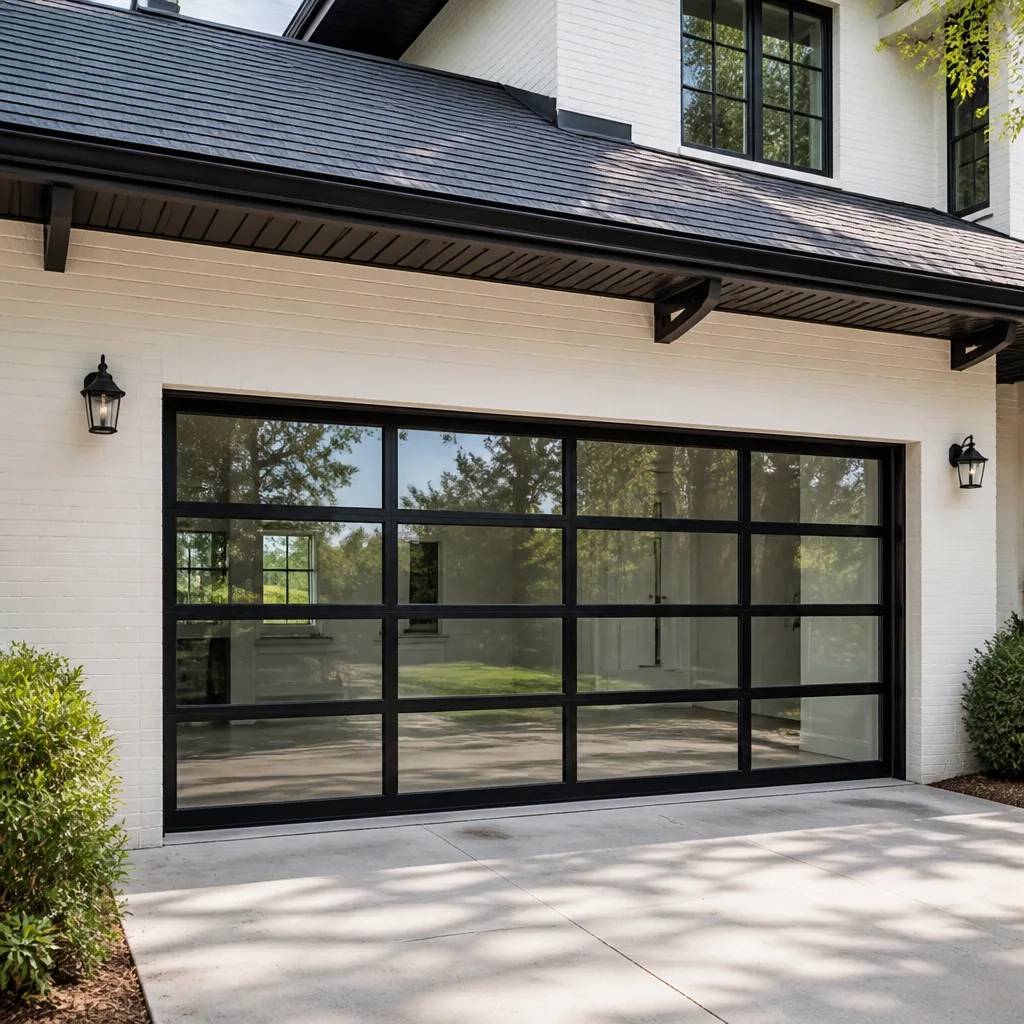 Full-view glass
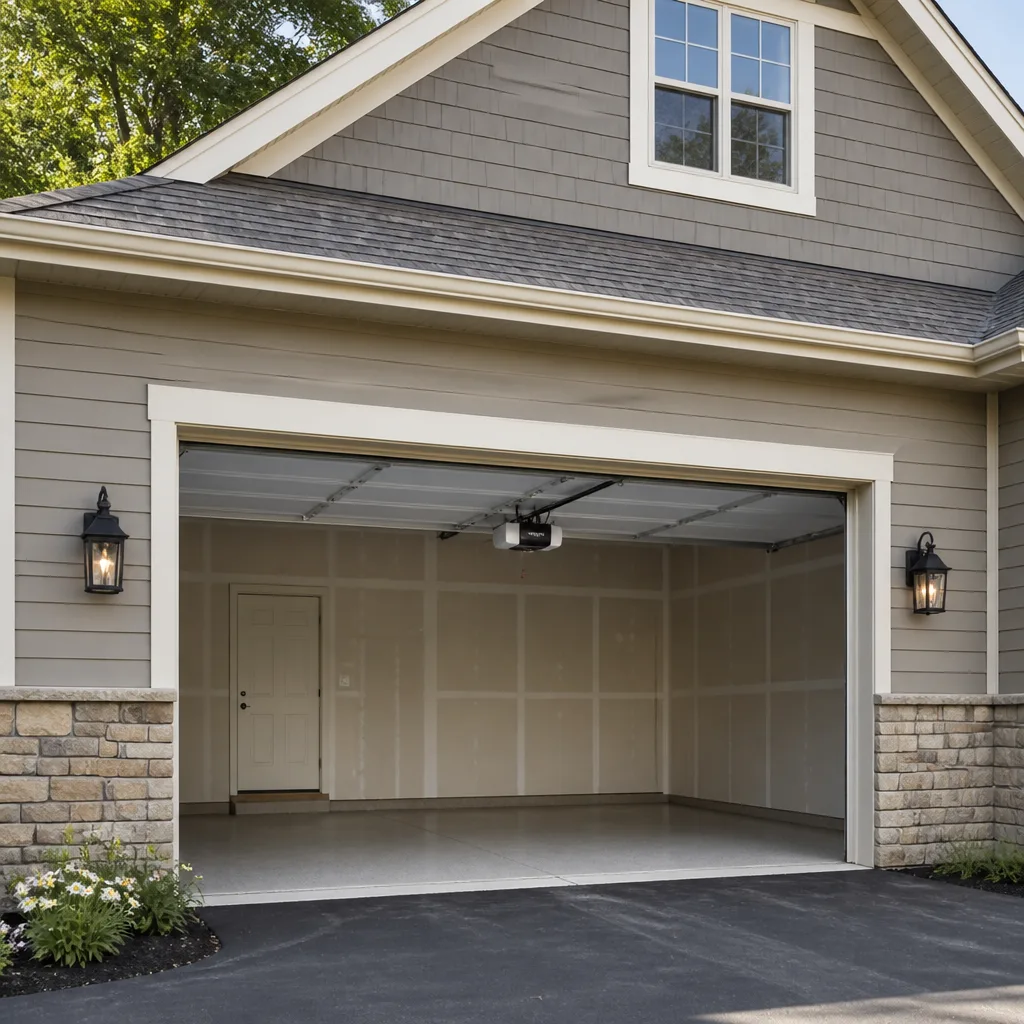 LiftMaster openers
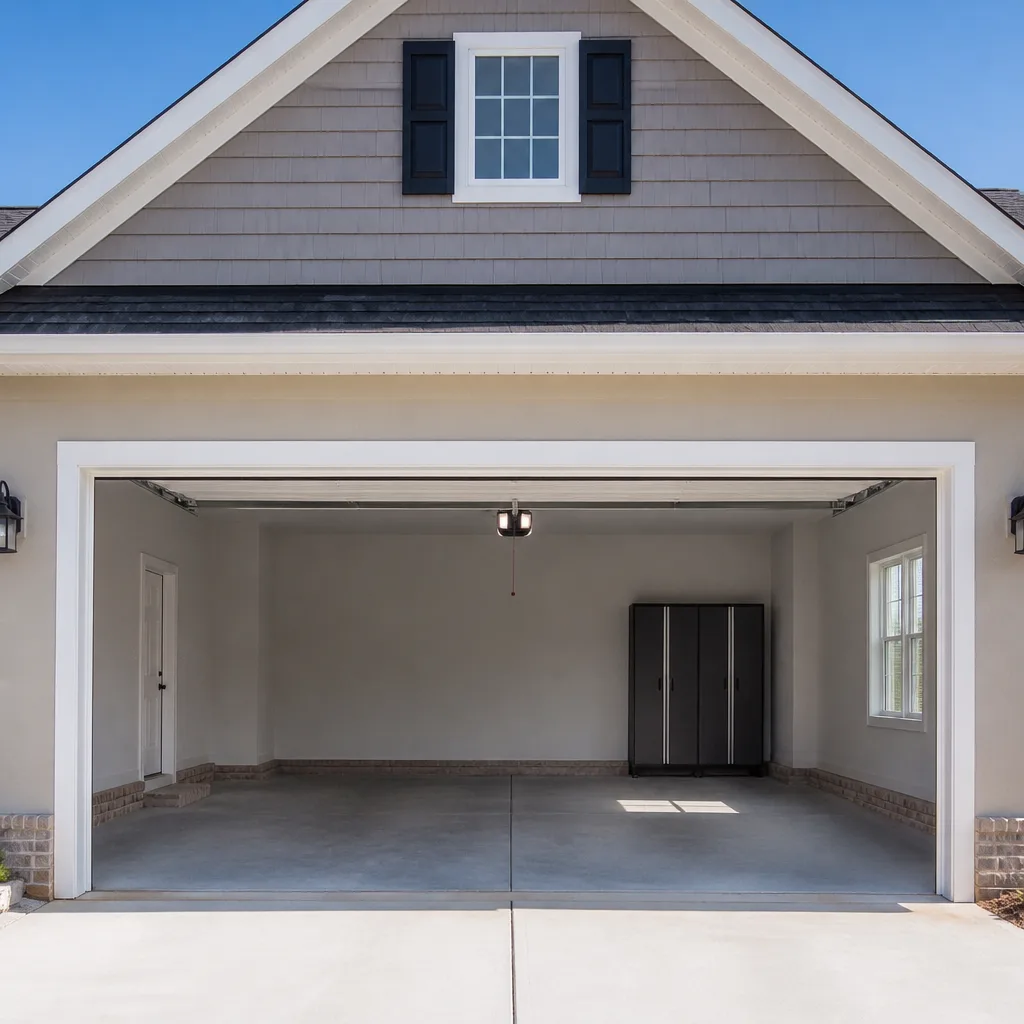 Chamberlain openers
Full 25-point door and opener safety check with every visit - springs, cables, rollers, tracks, and your LiftMaster or Chamberlain opener included
You get a price before we start. It does not change when the pro arrives.
Get your free estimateThe Complete Guide to Garage Doors in Ballwin
Most garage door advice online was written for a generic house in a generic climate. Ballwin isn’t generic. This corner of West County swings between humid summer heat and hard winter cold, and the doors here have to survive both. That single fact changes which springs hold their tension, which seals stay flexible, and which materials don’t warp by year ten. Add the HOA review boards common across Ballwin subdivisions and the non-standard rough openings in 1970s through 1990s construction, and you get a set of decisions that generic guides can’t make for you. This guide does. We’ll walk through how the whole system works together, what actually fails in Ballwin, and how to choose well.
Quick Answer
A garage door in Ballwin needs a torsion spring rated for real winter cold, a bottom seal that stays soft through freeze-thaw, and an opener matched to the door’s weight and brand. The biggest local failure is spring fatigue from seasonal temperature swings, not normal wear. Match materials and parts to Ballwin’s climate and HOA expectations, and a door lasts far longer than one chosen on looks or price alone.
Styles & brands we work with
- Raised-panel steel
- Carriage house
- Modern flush
- Full-view glass
- LiftMaster openers
- Chamberlain openers
Table of Contents
- How a Garage Door Works as One System
- How Ballwin’s Climate Affects Springs and Seals
- Why Ballwin’s Housing Stock Matters
- HOA Rules in Ballwin Subdivisions
- Choosing Materials for a Ballwin Door
- Openers and Brand Compatibility
- Repair or Replace?
- What You Can Check Yourself
How a Garage Door Works as One System
A garage door is five parts working as a single machine: springs, cables, tracks, rollers, and the opener. Change one and you stress the others. That’s why a door that “just needs a spring” can start binding two weeks later if the cables and rollers weren’t checked at the same time. In Ballwin, where temperatures push the metal and the seals through real extremes, understanding those interactions saves money and prevents repeat visits.
Here’s how the parts depend on each other:
- Torsion springs counterbalance the door’s full weight. If a spring loses tension, the opener has to lift far more than it was built for, and it wears out faster.
- Cables hold the spring tension and keep the door level. A frayed cable is a safety issue, not a maintenance item to defer.
- Tracks and rollers set the door’s path. A bent track throws off alignment, and misalignment drags on the springs and the opener motor.
- The opener lifts and lowers a door that the springs have already balanced. It’s a motor, not a crane, and it should never be asked to compensate for a weak spring.
- The bottom seal and weatherstripping keep out water, cold air, and pests while cushioning the door on the floor.
We see this pattern often in Ballwin: a homeowner replaces an opener because the door is heavy, when the real problem is a tired spring. The new motor struggles with the same weight and fails too. Checking the system as a whole, not part by part, is what keeps a door reliable. Our Garage Door Repair Ballwin service is built around that full-system check, so nothing gets missed.
How Ballwin’s Climate Affects Springs and Seals
Ballwin sits in a humid continental climate, and seasonal temperature swings of roughly 90°F between summer and winter are normal here. Metal expands and contracts with every one of those swings, and torsion springs pay the price. A spring that would last years in a mild coastal climate works harder in Ballwin because it’s cycling through bigger temperature changes on top of daily use. That’s a general observation, not a claim about any specific door, but it explains why spring replacement comes up so often in this area.
The practical effects are consistent:
- Spring fatigue arrives sooner. Cold makes steel more brittle, and repeated expansion and contraction shortens the working life of a spring compared with a stable climate.
- Seals stiffen and crack. The rubber bottom seal that stays flexible in summer hardens in a Ballwin January. A stiff seal lets in cold air and water and can bind the door.
- Wood doors move. Humidity makes wood swell; dry winter air shrinks it. Panels can separate and paint can fail at the joints.
- Track alignment drifts. Ground movement from freeze-thaw can throw a track slightly out of plumb, and the door starts to rub.
None of this means a Ballwin door is doomed. It means parts should be chosen for cold tolerance and checked on a schedule, not just when something snaps. When a spring does let go, that’s a job for trained hands. Garage door springs store enough tension to cause serious injury, so garage door spring repair is a job for a technician with the right tools, not a weekend project.
Why Ballwin’s Housing Stock Matters
Ballwin grew fast in the 1970s through the 1990s, and the garages from that era aren’t uniform. Builders used opening dimensions and header heights that varied from subdivision to subdivision and sometimes from house to house. That’s why a standard off-the-shelf door or opener kit doesn’t always fit a Ballwin garage cleanly. Measuring before ordering matters here more than in newer, more standardized neighborhoods.
What we run into in this housing stock:
- Non-standard rough openings. The framed opening a door fits into was often sized to the builder’s supplier, not to today’s standard widths.
- Low headroom. Older garages sometimes have less clearance above the door, which limits which spring and opener setups will fit.
- Outdated openers. Original openers from the 1980s and 1990s may lack modern safety reversing features and are often difficult or impossible to source parts for.
- Settled concrete and shifting tracks. Decades of freeze-thaw can leave a floor or a track slightly out of level.
That’s a strong argument for having a door measured on site rather than ordered from a catalog. When it’s time for a new door, proper measurement is the first step, and it’s part of what a real garage door repair conversation should include before a single part is ordered.
HOA Rules in Ballwin Subdivisions
Many Ballwin subdivisions have architectural review requirements, and the garage door is one of the most visible features a review board looks at. A door that’s perfectly functional can still draw a letter if its style clashes with the neighborhood. The good news: the styles that usually pass review are also the ones that age well, so meeting the rule and choosing a durable door tend to line up.
Certain styles generally cause fewer problems:
- Raised-panel steel doors in neutral colors, which read as traditional and fit most subdivision palettes.
- Carriage-house doors with decorative hardware, popular in newer West County developments.
- Factory-finished neutral tones (white, almond, sandstone, and similar) rather than bold custom colors.
- Window styles that match the home’s existing trim rather than standing out.
Before you commit, get the specifics from your HOA. Ask for the approved color list and any style restrictions in writing, and confirm whether your project needs prior approval. Rules vary from one Ballwin neighborhood to the next, and no guide can substitute for your own board’s documents. A specialist who works in the area regularly will know what typically gets approved, but the board’s written rules are the final word.
Choosing Materials for a Ballwin Door
For a Ballwin climate, steel is the reliable default, with insulated steel as the strongest all-around choice for an attached garage. It handles the temperature swings, resists moisture, and comes in styles that satisfy most HOAs. The other materials have real trade-offs, and knowing them prevents an expensive mistake.
A quick comparison:
- Steel: Holds up to freeze-thaw, low maintenance, wide style range. Insulated steel adds thermal separation from the house, which matters for an attached garage.
- Aluminum: Light and rust-resistant, but dents more easily in a busy household. Fine for some applications, less forgiving here.
- Wood: Beautiful and very HOA-friendly, but it needs regular painting or staining because Ballwin’s humidity and dry winters work against it.
- Composite/fiberglass: Resists moisture well and mimics wood, but it can be pricier and has a limited repair path if damaged.
Insulation deserves a mention for Ballwin. An attached garage sits against living space, and an uninsulated door lets summer heat and winter cold bleed through the shared wall. Insulated steel helps keep that boundary stable. Whatever material you choose, the details that matter are the same: a properly rated spring, a flexible bottom seal, and a fit measured to your actual opening.
Openers and Brand Compatibility
Opener problems are the second most common reason Ballwin homeowners call, and the fix depends almost entirely on brand and model. A multi-brand specialist can service nearly any system you’re likely to have, so you don’t get turned away because your opener isn’t the “right” make. The major names installed across West County include LiftMaster, Chamberlain, Genie, Craftsman, and Raynor, among others, and each has its own parts and diagnostics.
What actually goes wrong with an opener:
- Logic board or control board failure. The door stops responding, or the wall button behaves unpredictably.
- Gear and sprocket wear. The motor runs but the door doesn’t move, or moves with a grinding sound.
- Safety sensor misalignment. The door reverses immediately, often after a knock to the sensor bracket.
- Remote and keypad pairing. Old remotes stop syncing, or the keypad won’t take the code.
One thing worth knowing: an opener that behaves erratically is often signaling a door problem, not a motor problem. If the door is binding or the spring is weak, the opener’s safety system may reverse it. That’s why garage door opener repair starts with a look at the whole door, not just the box on the ceiling. Our technicians have up to 10 years of experience diagnosing those interactions across the brands most common in Ballwin.
Repair or Replace?
Repair usually wins when the door’s structure is sound and only the mechanical parts have worn. Replace when the door itself is failing, or when repeated repairs add up to more than the door is worth. In Ballwin’s older housing, a 1980s or 1990s door still in good shape often has plenty of life left with the right parts.
Use these questions to decide:
- Is the door panel and structure intact? If the panels are straight and the frame is sound, repair is usually the better value.
- How often has it needed work? One repair a year is a sign the whole system is wearing out together.
- Are the opener and springs near the end of their life? Replacing both at the same time on a sound door can reset its reliability.
- Is the door drafty or noisy? Better seals and insulation may solve it without a replacement.
- Is the style out of step with your HOA? If a fresh door solves both a mechanical problem and an aesthetic one, replacement makes sense.
A free written estimate is the honest way to decide, because the answer depends on what’s actually on your door. We’ll tell you when a repair is the smarter call and when a new door is the better long-term choice.
What You Can Check Yourself
Some checks are safe for any homeowner and catch small problems before they become expensive. Others belong to a trained technician, and knowing the difference protects you. Here’s a simple routine for the first, and a clear warning about the second.
What you can safely do:
- Listen. A door that squeaks, grinds, or bangs is telling you something. Note when it happens and where the sound comes from.
- Watch the balance. With the door closed and the opener disconnected, lift the door partway and let go. A well-balanced door stays put. One that drops or rises is out of balance.
- Inspect the bottom seal for cracks, stiffness, or gaps at the floor.
- Clear the photo-eye sensors of cobwebs and check they’re lined up.
- Look at the cables for fraying or slack, but don’t touch or adjust them.
Here’s the line you don’t cross: never adjust, loosen, or remove the springs or the cables. Those parts carry stored tension strong enough to injure you even when the door looks still. If a spring is broken or the door is off its track, leave it and call a professional.
Common Mistakes to Avoid
- Ordering a door without measuring the opening. In Ballwin’s older housing, standard sizes don’t always fit. Measure or have it measured before you buy, or you’ll be returning a door.
- Replacing an opener when the spring is the real problem. A heavy door stresses a new motor and shortens its life. Diagnose the whole system first.
- Ignoring the bottom seal through a Ballwin winter. A stiff, cracked seal lets in cold air and water and can bind the door. Replace it before the hard freeze.
- Skipping the HOA review. A door that violates subdivision rules can cost you far more than the door itself. Get written approval first.
- Choosing a door on price alone. A cheap door with a weak spring for this climate often costs more in repairs than a better-fit door up front.
- Trying to adjust springs yourself. This is the one mistake that can seriously injure you. Leave spring work to a trained technician.
- Letting a small track misalignment drift. A door that rubs wears out rollers, springs, and the opener faster. A quick fix early saves the whole system later.
See the difference
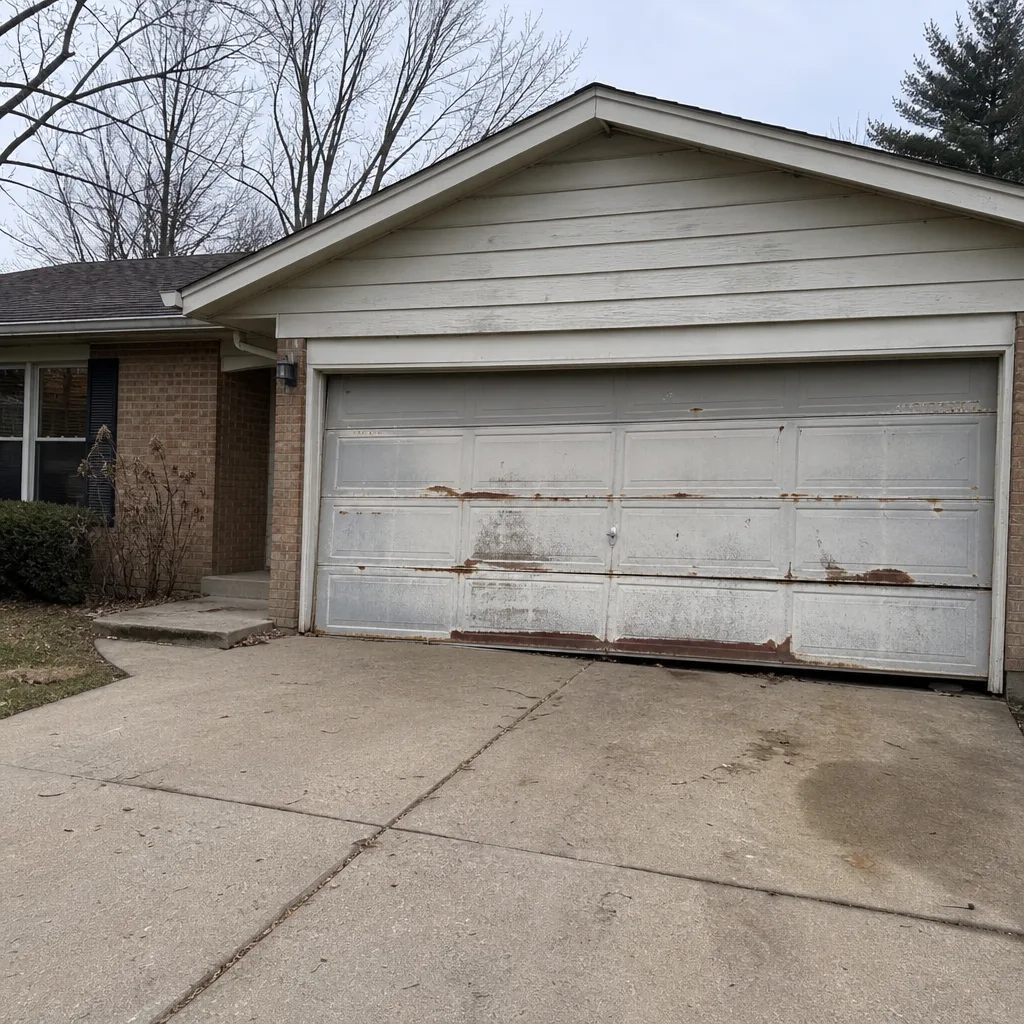 Before
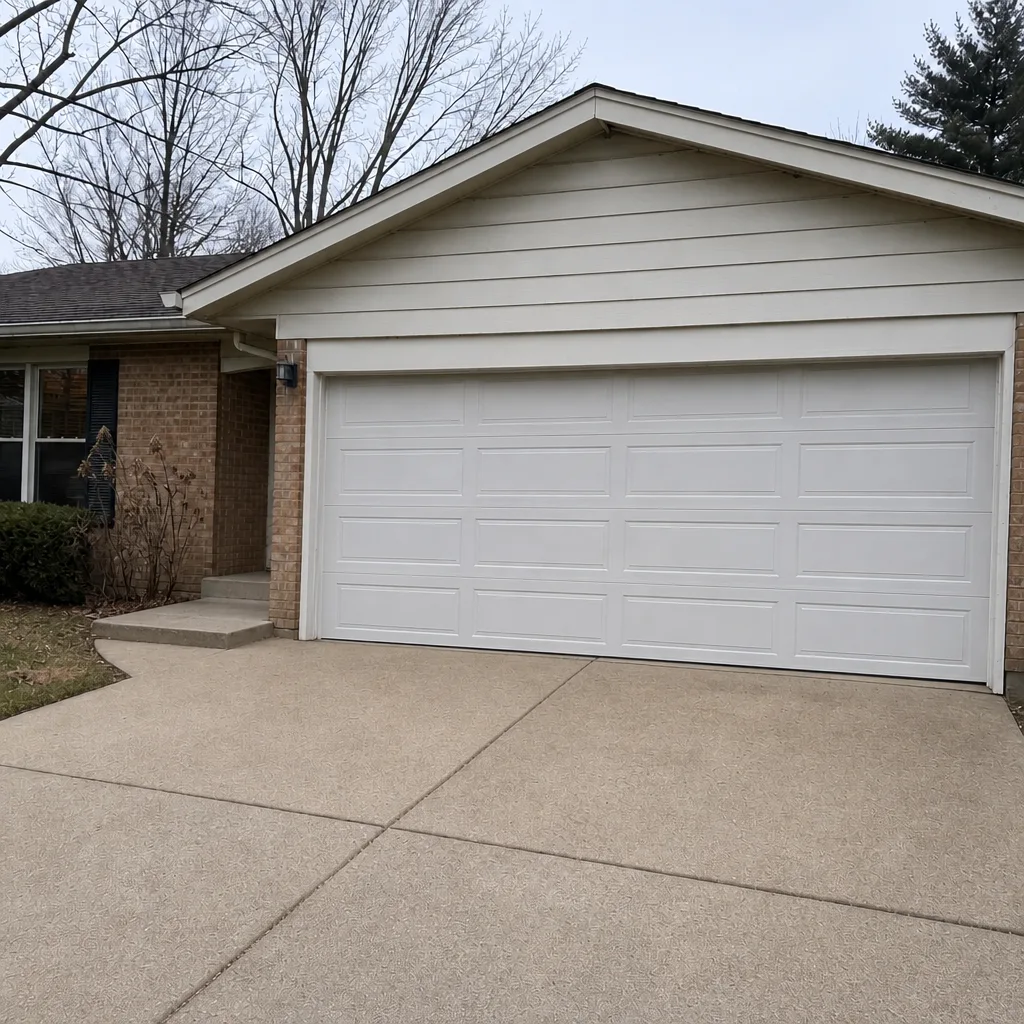 After
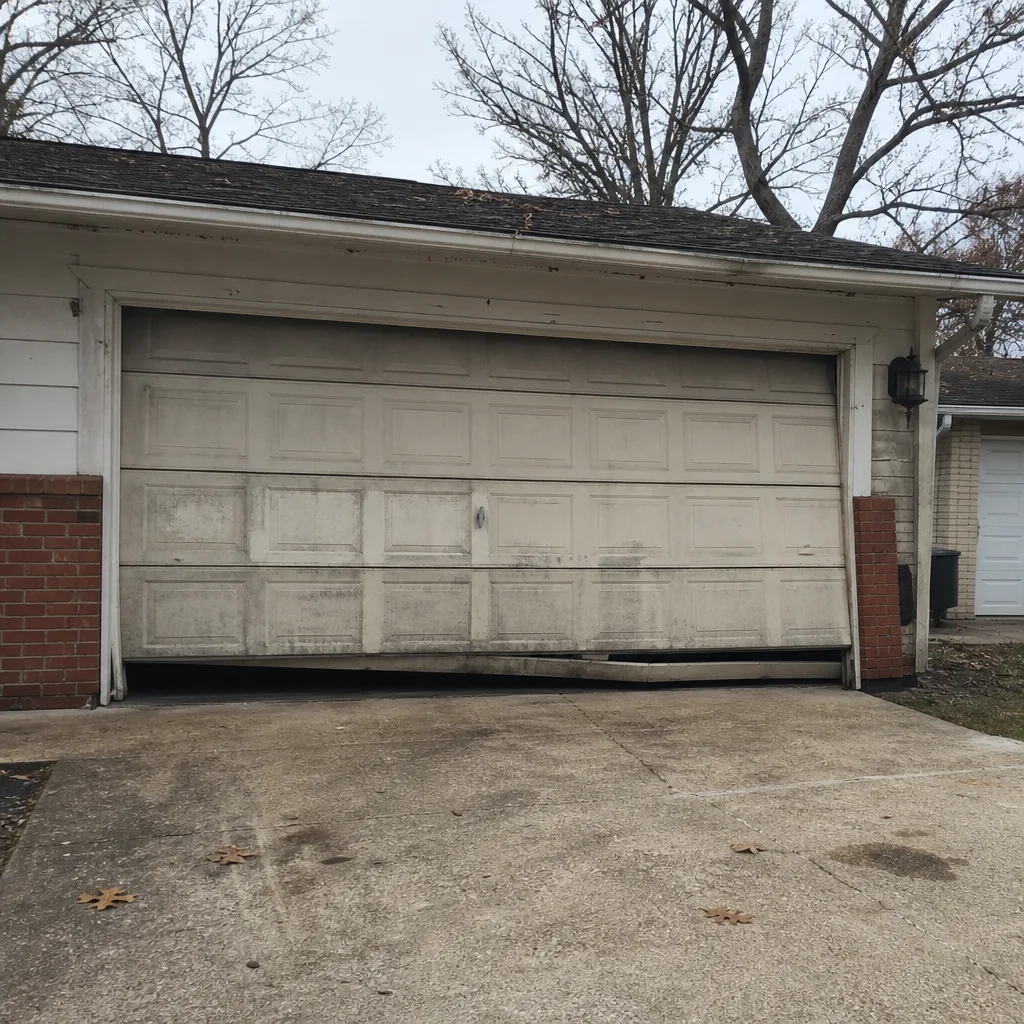 Before
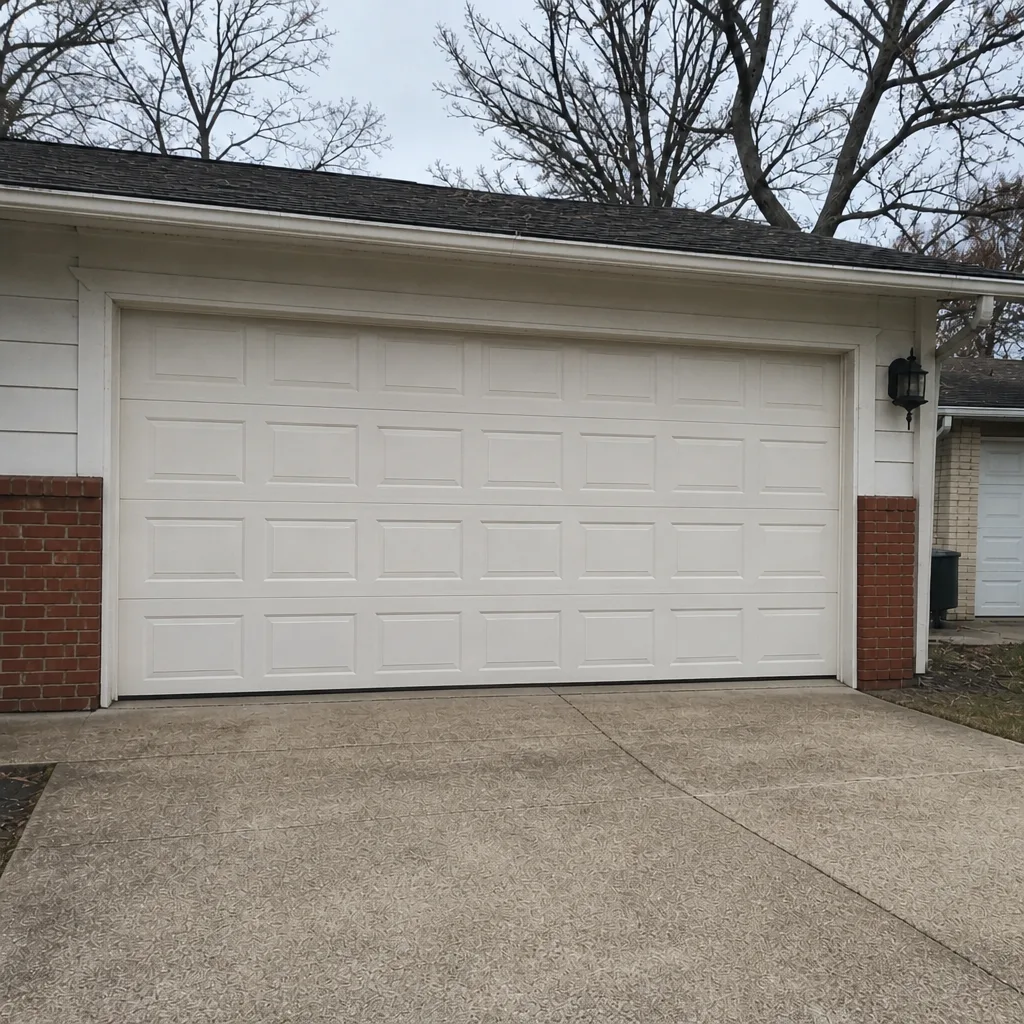 After
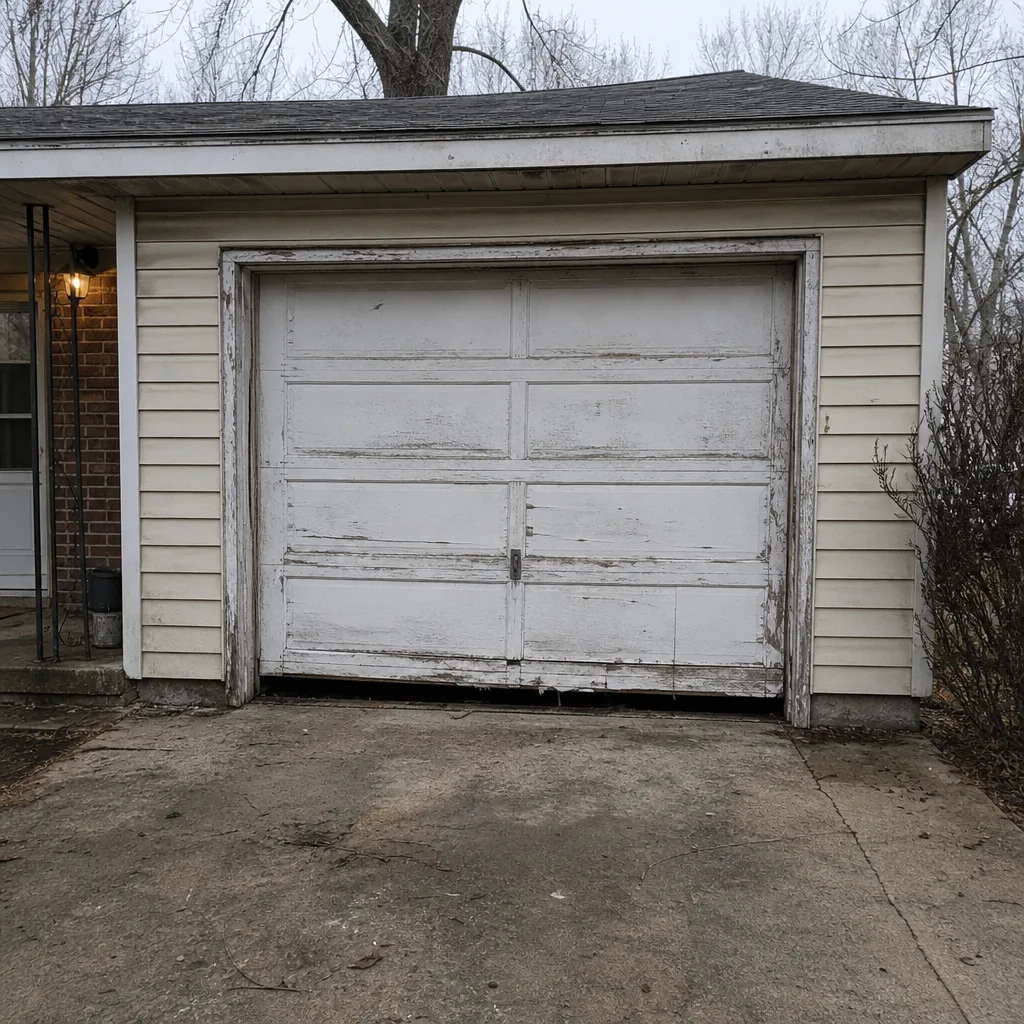 Before
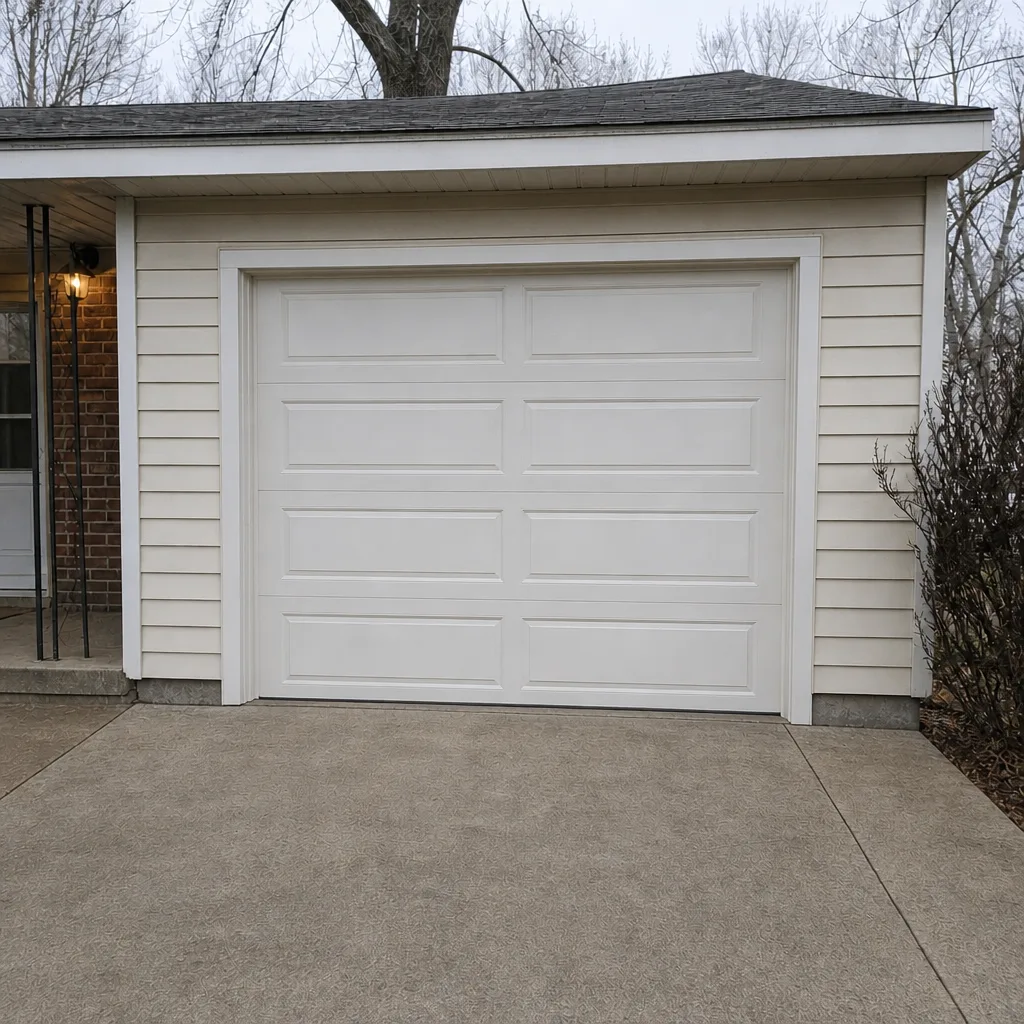 After
When to Call a Professional
Call a professional when your door won’t open or close, when a spring is broken, when the door is off its tracks, or when the opener runs but nothing moves. Those are the failures that leave your home unsecured or your car trapped, and they deserve a trained technician. Spring work and cable work are never safe to attempt alone, no matter how handy you are. If you’re planning a new door, a professional on-site measure protects you from ordering the wrong size for a Ballwin garage. Garage Door Repair Ballwin offers free estimates in Ballwin. Call (877) 770-1711. We answer 24/7, with fast dispatch from 7am to 7pm.
Frequently Asked Questions
Springs in Ballwin generally wear faster than in milder climates because of the large seasonal temperature swings, so expect them to need attention sooner than a national average would suggest. There’s no fixed number of years that applies to every door – daily use, door weight, and spring quality all matter. If the door feels heavy or the opener strains, have it checked.
No. Garage door springs store enough tension to cause serious injury, and the tools and technique required aren’t typical homeowner equipment. This is a job for a trained technician. Call (877) 770-1711 for a free estimate.
Raised-panel steel and carriage-house styles in neutral factory colors usually pass review most easily in Ballwin subdivisions. That said, rules differ by neighborhood. Get the written restrictions and approval process from your board before ordering, and choose a style that also fits the home.
The usual cause is a worn gear, a broken spring, or a door binding in the tracks. The opener may be fine while the door itself is the problem. A full-system check identifies which part is actually failing before you pay for a new opener.
We work on the brands most common in Ballwin, including LiftMaster, Wayne Dalton, Craftsman, and Raynor, along with other major names. If you’re unsure whether your system qualifies, call and describe it – most do.
No. The written estimate sets the price before any work starts, so you agree to it in advance. If the job turns out to need more than expected, we’ll explain that and get your approval before proceeding.
The Bottom Line
A garage door in Ballwin is one system, not a collection of parts, and it lives in a climate that stresses springs and seals harder than a milder one would. That means choosing cold-tolerant parts, measuring for non-standard openings in older homes, and checking with your HOA before you buy. Repair the sound door and replace the failing one, and never take on spring or cable work yourself. Whether you need a repair today or a new door planned for next season, Garage Door Repair Ballwin can help. Call (877) 770-1711 for a free estimate. We answer 24/7, and dispatch runs from 7am to 7pm, Sunday through Friday.
Written by the team at Garage Door Repair Ballwin.