
Last updated November 23, 2026
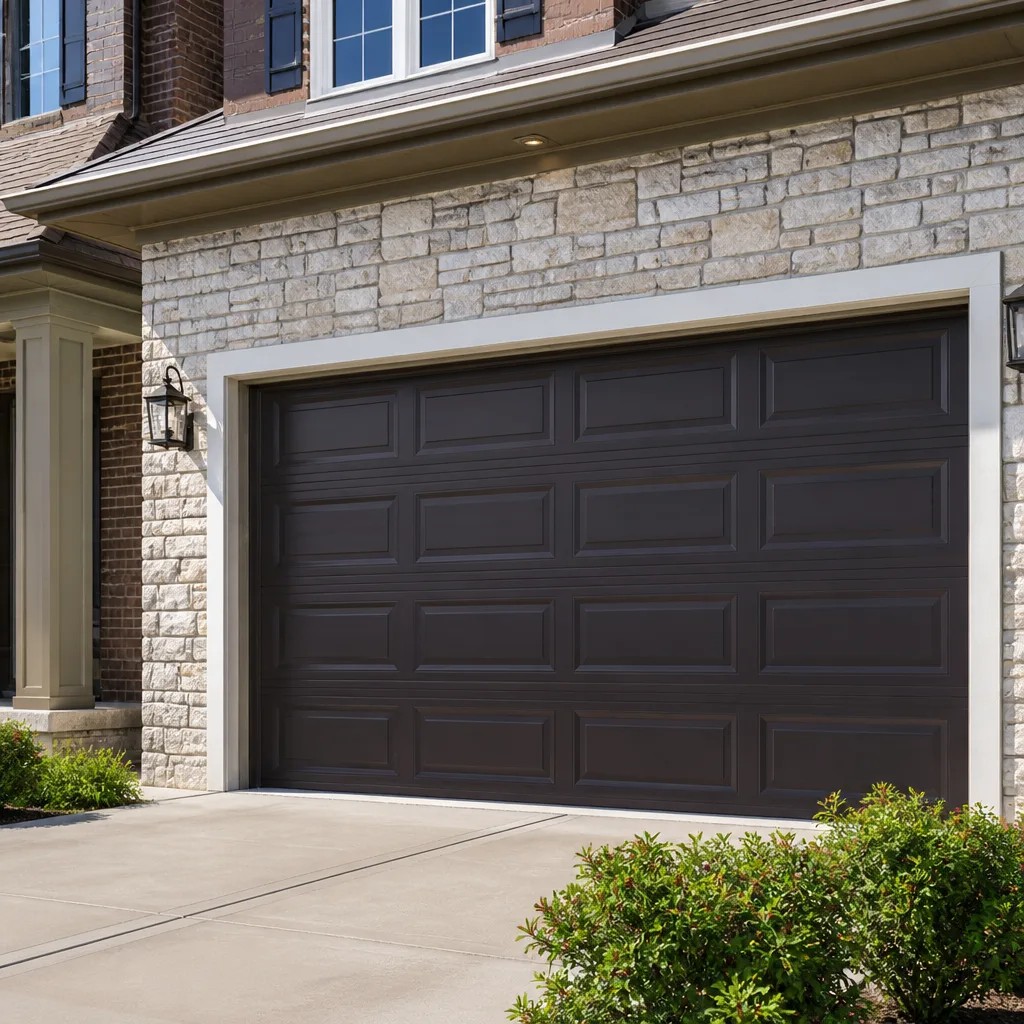 Raised-panel steel
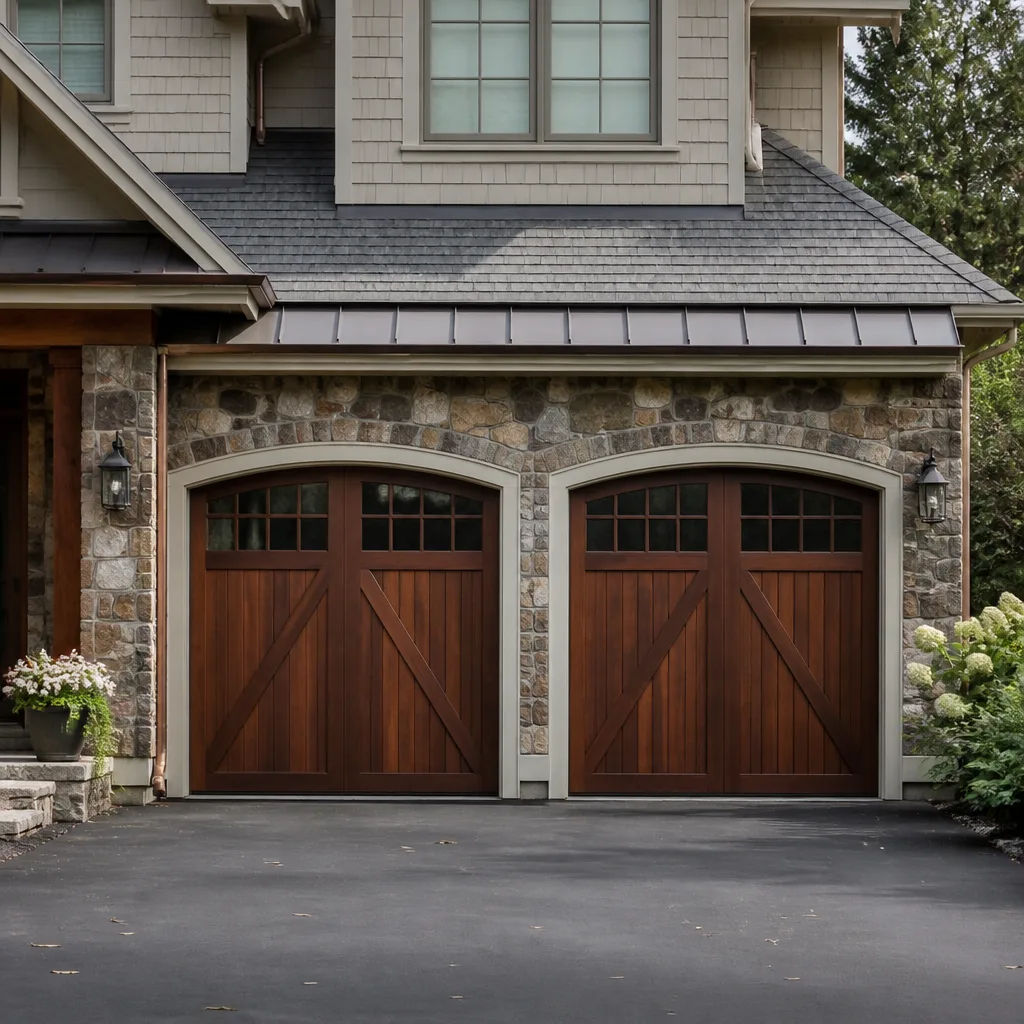 Carriage house
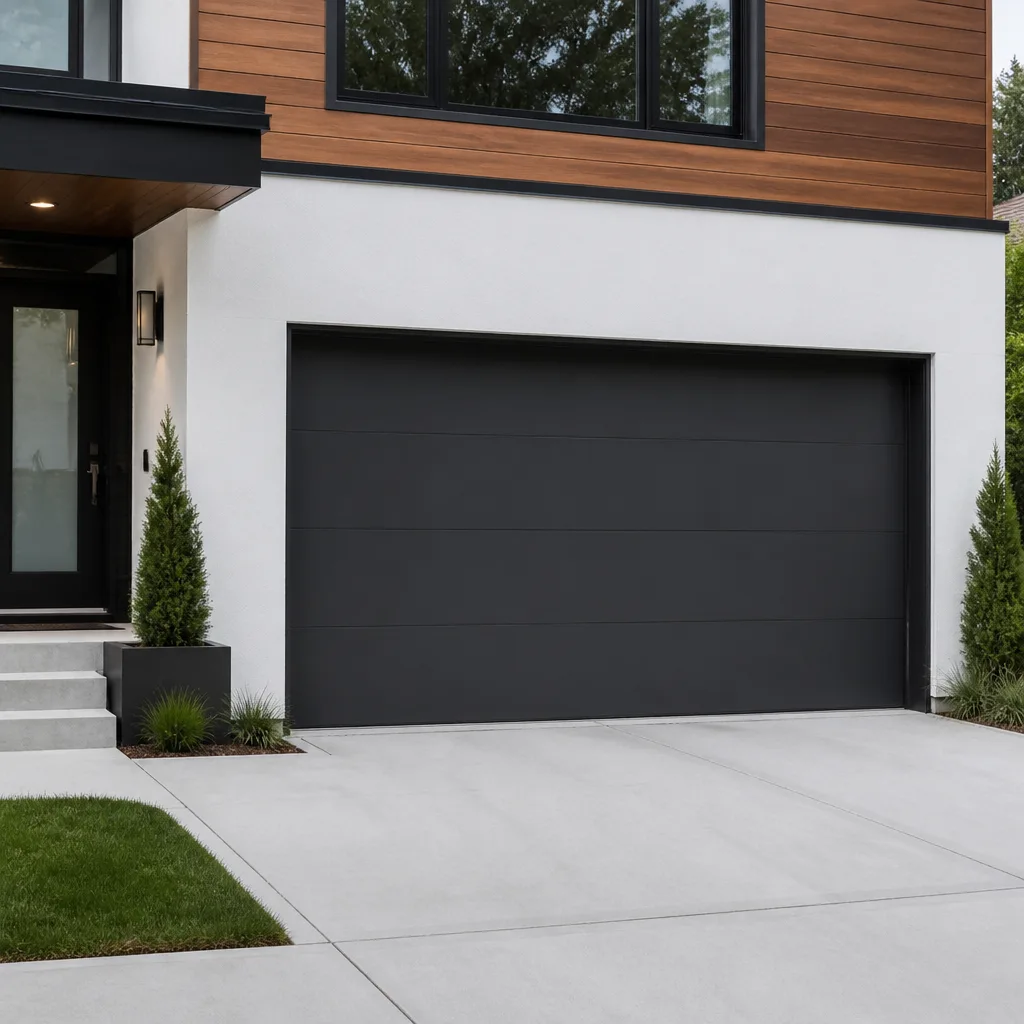 Modern flush
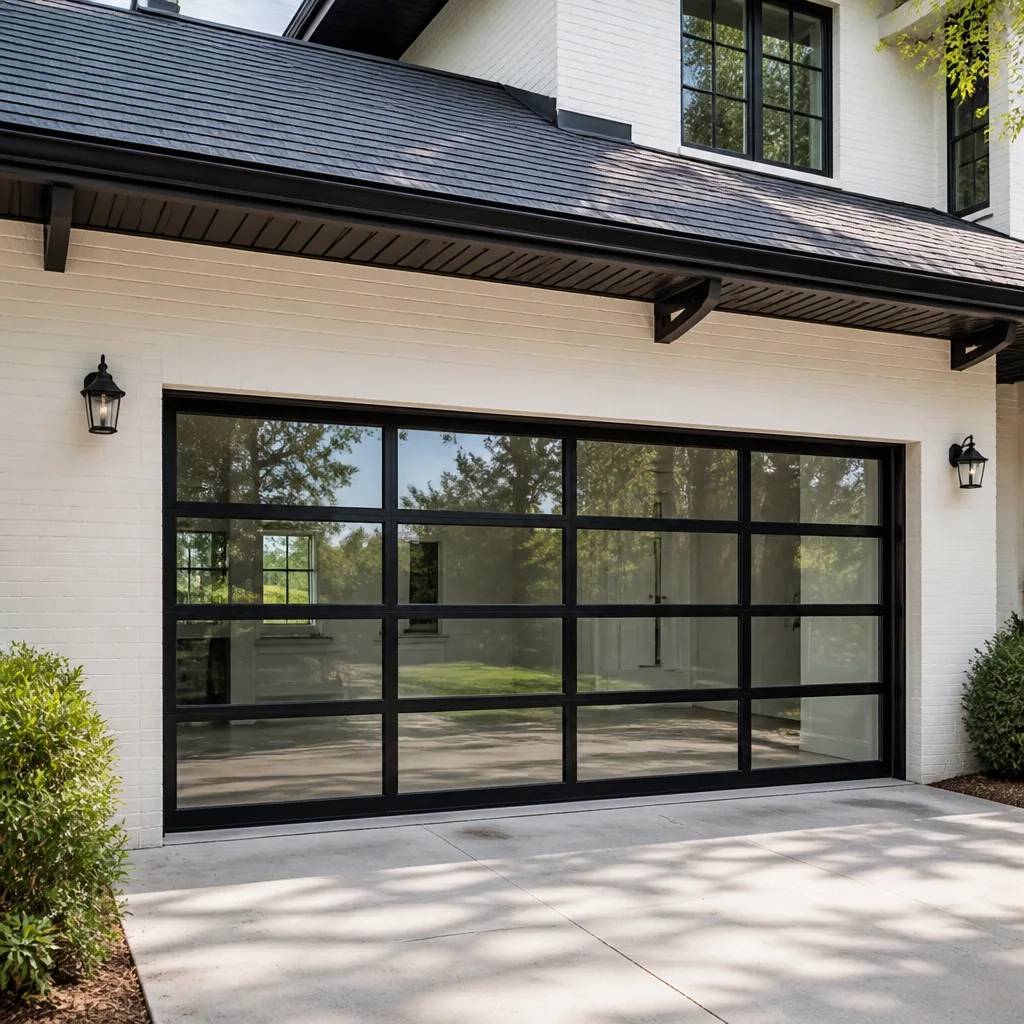 Full-view glass
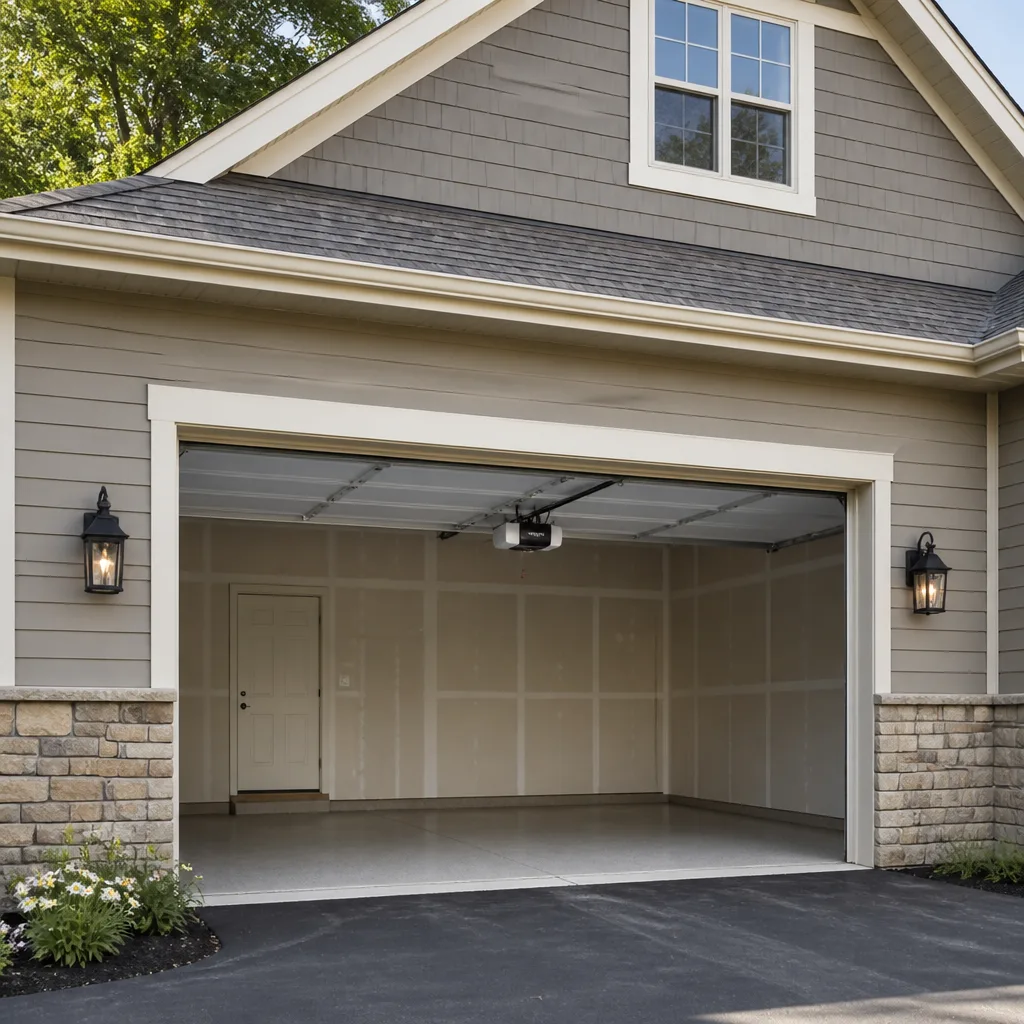 LiftMaster openers
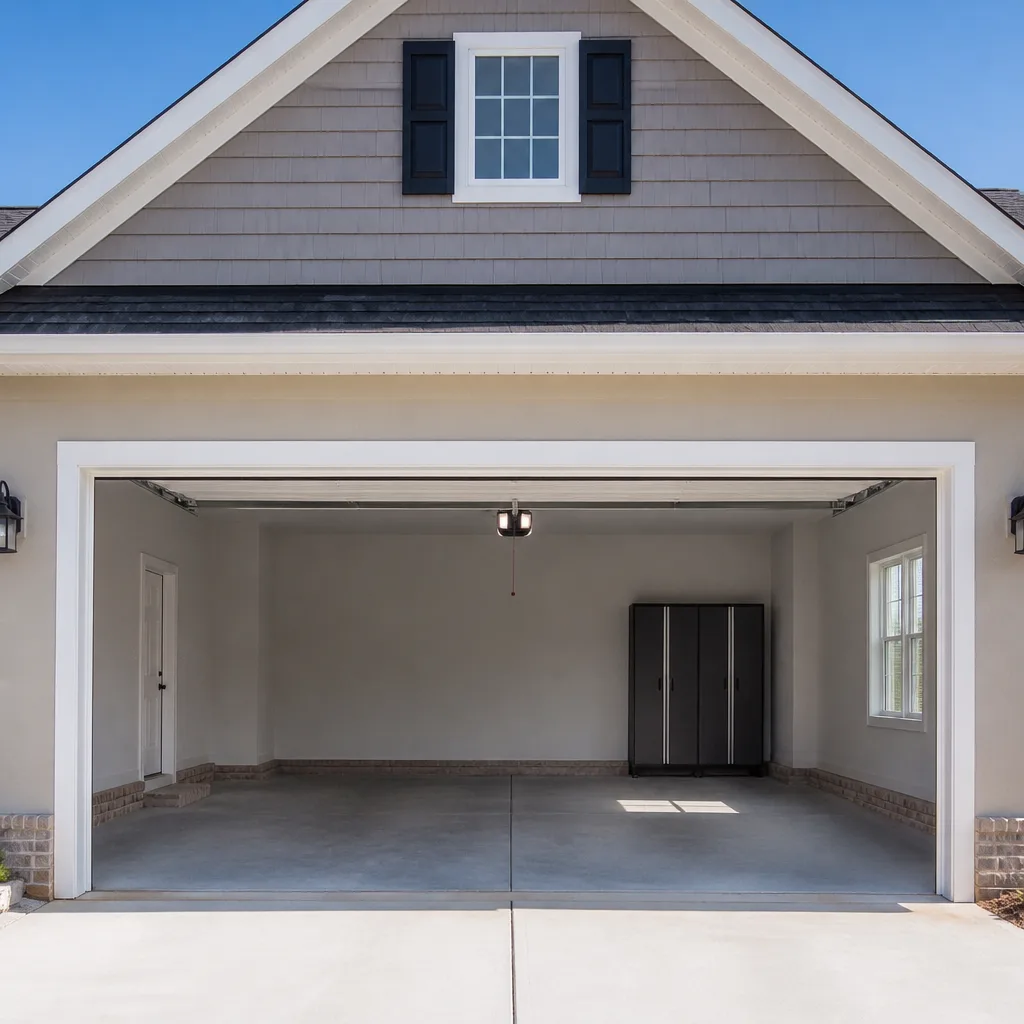 Chamberlain openers
Full 25-point door and opener safety check with every visit - springs, cables, rollers, tracks, and your LiftMaster or Chamberlain opener included
You get a price before we start. It does not change when the pro arrives.
Get your free estimateGarage Door Warning Signs: A Ballwin Homeowner’s Reference Guide
A garage door that takes four seconds to open instead of three isn’t aging gracefully. It’s telling you something specific about its mechanical state, and the homeowners who avoid emergency calls are the ones who learn to read that signal before it turns into a door that won’t move. Most garage door failures in Ballwin don’t arrive without warning; they arrive after months of warnings that got filed under “it’s always done that.” This guide changes that. We’ll walk through how to listen to your door, how to watch it, how to tell an opener problem from a door problem, and which symptoms mean stop using it today versus which can be watched for a little while. You’ll also learn how to describe what you’re seeing so a technician can diagnose it accurately the first time.
Quick Answer
The warning signs of a failing garage door are changes in sound (grinding, popping, squealing, rattling), changes in movement (jerking, sagging on one side, slowing down), and changes in function (the opener strains, the door reverses for no reason, or the remote works inconsistently). A loud bang followed by a door that won’t open usually means a broken spring, which is an immediate stop-use condition. Slower travel, minor squeaks, and occasional rattles are signs that allow monitored continued use while you book a repair.
Styles & brands we work with
- Raised-panel steel
- Carriage house
- Modern flush
- Full-view glass
- LiftMaster openers
- Chamberlain openers
Table of Contents
- What the Sound of Your Door Tells You
- Reading Movement: Sagging, Jerking, and Slow Travel
- Opener Problem or Door Problem? How to Tell the Difference
- Warning Signs That Mean Stop Using the Door Today
- Warning Signs You Can Monitor for a Short Time
- How Ballwin Weather and Homes Shape Garage Door Wear
- How to Document Symptoms Before You Call
- The Short Maintenance Checklist That Prevents Most Calls
What the Sound of Your Door Tells You
Sound is the earliest diagnostic signal a garage door gives you. A healthy door running on properly lubricated rollers and a balanced spring system produces a low, even hum from the opener and very little else. When you start hearing something new, the specific quality of that sound narrows down which component is involved.
Grinding usually points to metal-on-metal contact. Common causes include dry or worn rollers, a torsion bar with failing bearings, or a bent track that forces the rollers to scrape as they travel. Grinding tends to get louder over weeks, not days, which is why homeowners in Ballwin often tune it out until it becomes a screech.
Popping is different. A single sharp pop when the door starts moving often indicates a torsion spring that has slipped or a cable that has jumped a drum. Repeated popping as the door travels can point to hinges or a panel that has begun to separate. If the pop is loud enough to hear from inside the house, treat it as a stop-use condition until someone has looked at it.
Squealing is almost always a lubrication or roller issue. Nylon rollers wear down and their internal bearings dry out; steel rollers can develop flat spots. Squealing that comes from a specific spot along the track is usually a single roller, while squealing that follows the whole travel suggests the rollers as a group need replacement.
Rattling is the loosest of the four sounds. Loose bolts on the hinges, a panel that has worked loose from its stile, or a track bracket that has shaken free all produce a rattle. It’s the least urgent of the four, but it’s the one most likely to escalate into a bigger repair if left alone. If the rattle is coming from the opener itself rather than the door, that’s a different conversation and belongs in garage door opener repair territory.
Reading Movement: Sagging, Jerking, and Slow Travel
How your door moves is as informative as how it sounds. A properly balanced garage door moves at a consistent speed, stays level side to side, and reverses smoothly when it hits an obstruction. When any of those three qualities changes, a specific part of the system is telling you something.
- Sagging on one side. A door that looks visibly lower on the left or right has usually lost tension on one of its two springs, or has a cable that has stretched or come off its drum. On a two-spring door, one spring can fail while the other continues to carry the load, which produces the sag. Don’t keep running the door in this state: the surviving spring is now doing double duty and will fail faster.
- Jerking or stuttering. A door that moves in stops and starts is typically fighting friction. Bent tracks, worn rollers, or a torsion bar that needs lubrication all cause this. Jerking is also a common sign of an opener that’s reached the end of its lifting capacity, which shows up more on heavier doors and on doors where one spring is already weak.
- Slow travel time. If you can count the seconds getting longer, the door is losing mechanical efficiency. A gradual slowdown over months usually means springs are losing tension, rollers are dragging, or the opener’s motor is working harder than it should. Noting the change in seconds is one of the most useful things you can tell a technician.
- Reversing without obstruction. When the door goes down and then bounces back up on its own, the safety sensors or the opener’s travel limits need attention. This is not usually a spring issue; it’s an opener or sensor issue, and it’s the one sign homeowners most often mistake for a door problem.
- Hard to lift by hand. With the opener disconnected, a balanced door should lift with modest effort and stay put when you let go at the halfway point. If it feels heavy from the start or slams down when released, the spring system is out of balance.
In our experience, the single most overlooked movement sign is the gradual slowdown. Homeowners adapt to it without noticing. Then one morning the door stops, and it feels sudden even though the door had been announcing the problem for months. If you’re already at that stage, our garage door repair team can tell you what’s involved in getting it moving again.
Opener Problem or Door Problem? How to Tell the Difference
This is where most diagnostic errors happen. Homeowners assume the opener is failing when the door is the actual problem, or assume the door needs adjustment when the opener is the one that’s tired. Separating the two saves time and often money.
The clearest test is the manual release. Every opener has a pull cord or handle that disconnects the door from the opener’s rail. Pull it, then lift the door by hand.
- If the door is hard to lift or won’t stay up: the problem is with the door – springs, balance, or track. The opener may be fine and simply can’t overcome the extra load.
- If the door lifts and balances easily by hand but the opener still struggles: the problem is with the opener, its motor, its travel limits, or its logic board.
- If the door moves fine by hand and the opener runs but the door doesn’t: the disconnect mechanism, the trolley, or the rail carriage has failed.
- If the opener beeps, flashes, or won’t respond at all: the issue is electrical or electronic, not mechanical. That’s an opener to look at directly, and it applies whether the unit is a LiftMaster, a Chamberlain, or an older Craftsman.
Once you know which side of the system the problem lives on, the diagnosis gets much faster. In Ballwin, we see a lot of phantom opener failures that turn out to be a spring that’s lost a third of its tension along with a door that’s simply heavier than the opener was ever designed to lift on its own. A trained technician can confirm which side of the system is failing within minutes of arriving.
Warning Signs That Mean Stop Using the Door Today
Some warning signs are a “call this week” situation. Others are a “call now and don’t run the door” situation. The following are stop-use conditions:
- A loud bang from the garage followed by the door not opening. This is the classic broken torsion spring. The spring has snapped, the door has lost its counterbalance, and running the opener will force the motor to lift a door that weighs hundreds of pounds. Stop.
- The door is visibly crooked or off its track. A door that’s come out of one or both tracks can fall. Don’t try to push it back in by hand, and don’t stand under it.
- A cable has come off its drum or is hanging slack. Cables under tension can whip when they fail. This is a professional-only situation.
- A loud pop followed by the door slamming down faster than it should. The spring system has let go. Running the opener again is unsafe.
- The door is hanging from the opener rail alone, panel bent. The door has lost a hinge point or a panel connection. It can collapse.
- A burning smell from the opener. Motor windings or the logic board are failing. Unplug it before doing anything else.
- The door won’t stay up when lifted halfway by hand. The spring has lost the tension that holds the door in position. Any movement is unsafe.
Torsion springs store extreme tension. This is the reason spring work is one of the most dangerous tasks in the trade. It’s also why we tell Ballwin homeowners to stop using the door the moment they hear that bang or see that sag and call for garage door spring repair rather than trying to lift the door themselves. We answer 24/7 and dispatch from 7am to 7pm, Sunday through Friday.
Warning Signs You Can Monitor for a Short Time
Not every symptom is an emergency. Some signs are worth watching for a week or two while you book a repair at a convenient time, provided you’re paying attention and know what change would move the situation into the stop-use category.
- A faint squeal on part of the track. Lubrication or a worn roller. Watch for it to spread to the whole travel, which would mean the rollers are ready to be replaced as a set rather than one at a time.
- Slow, even slowdown over months. Springs losing tension gradually. The door still works, but the window between “monitor” and “stop-use” is shrinking. Book a service visit within the next few weeks.
- Occasional rattling on the hinges. Loose bolts. Watch whether the rattle becomes constant, which would mean the panel is separating.
- A remote that works from some distances but not others. Usually a battery or range issue. If a fresh battery solves it, you’re fine. If it doesn’t, the opener’s receiver needs a look.
- One spring that looks straighter than the other on a two-spring door. The straighter one has lost tension. Don’t wait for the second one to fail on its own schedule; matched pairs are usually replaced together for this reason.
- Minor light flickering or a brief delay between pressing the remote and the door moving. Often a battery or an opener programming issue. Monitor for a couple of weeks.
The threshold that moves a symptom from “monitor” to “call now” is simple: the moment the door stops moving, moves unevenly, hangs, or bangs, stop using it. Everything else can wait a short while – but short means days or a couple of weeks, not months.
How Ballwin Weather and Homes Shape Garage Door Wear
The garage door in a Ballwin home works harder across a year than the door in a milder climate. The St. Louis metro swings from July humidity in the high 90s to January cold snaps that can drop below zero, and each swing puts the door through a full cycle of expansion and contraction. That cycle is what gradually stretches springs, works bolts loose, and lets cable tension drift out of spec.
Three things follow from that reality for Ballwin homeowners in particular:
- Springs cycle out faster than the manufacturer’s rating suggests. A torsion spring rated for a certain number of open-and-close cycles doesn’t know about temperature extremes. In Ballwin, the same spring sees more thermal stress across a year, which is why we recommend having spring condition checked rather than waiting for a bang.
- Humidity encourages track and roller wear. Ballwin’s summer humidity accelerates surface rust on steel tracks and on the bearings inside nylon rollers. Rust is the friction that turns a quiet door into a grinding one. A dry lubricant on the tracks and rollers slows this considerably.
- Winter cold stiffens everything. Cold grease thickens, nylon rollers stiffen, and motors pull harder. The door that ran quietly in October often starts complaining in December, and the problem that shows up in January is often one that started in September. If your door is noisier in winter than it was in fall, that’s information, not a coincidence.
Ballwin homes also tend to have attached garages that share a wall with living space, which means noise from the door travels. That’s a small detail, but it’s why Ballwin homeowners often notice problems earlier than homeowners whose garage is detached. Take the early warning seriously rather than muffling it with an extra layer of insulation.
How to Document Symptoms Before You Call
Diagnosis is faster and more accurate when the technician already knows what you’ve observed. Before you call, spend five minutes writing down what you can. The difference between a vague “my door is acting weird” and a specific description is often the difference between a one-visit fix and a return trip.
- Note the symptom. Write down exactly what you see and hear. “Grinding from the left side as the door goes up” is more useful than “noisy.”
- Note when it happens. Only on the way up, only on the way down, both directions, or at a specific point in the travel.
- Note the change over time. Days, weeks, or months. “Started a week ago and getting louder” tells a technician far more than “just started.”
- Test the manual release. Disconnect the opener and try lifting the door by hand. Note whether it lifts easily, feels heavy, or won’t stay up at the halfway position. This single test rules out half the possibilities.
- Note the make and model of the door and opener. The label on the opener head and the sticker on the door panel tell you the brand. LiftMaster, Chamberlain, Genie, Craftsman, Wayne Dalton, Raynor, Clopay, and Amarr are the brands we most often see, and knowing which you have speeds up the repair.
- Take a quick photo or a short video. A 10-second clip of the door moving is often the most useful diagnostic tool you can bring to a call. The technician can spot a sag, a track bend, or a roller issue immediately.
- Note anything else that’s changed recently. A new opener, a power outage, a recent storm, or a door that’s been slammed. These are context clues.
One thing not to do: don’t try to diagnose by taking anything apart. Above the door, everything is under tension. The written list plus a phone call is enough.
The Short Maintenance Checklist That Prevents Most Calls
The homeowners who avoid emergency repairs aren’t always the ones with newer doors; they’re the ones who do a short check every few months. A few minutes of attention catches most warning signs at the point where they’re small.
- Listen. Stand in the garage and run the door. Does the sound match what it sounded like a year ago?
- Watch the balance. Disconnect the opener, lift the door halfway, and let go. It should stay in place. If it drops or rises, the springs are out of balance.
- Look at the springs. A healthy torsion spring has even, closely spaced coils. A growing gap between coils is the sign of a weakening spring.
- Check the cables. Both cables should sit snugly on their drums with no slack and no fraying.
- Lubricate the moving metal parts. Hinges, rollers, and the torsion bar. A dry lubricant on the tracks and rollers slows rust. Don’t lubricate the tracks themselves with grease.
- Test the safety reverse. Place a small object on the floor under the closing door. The door should reverse on contact. If it doesn’t, the sensors or travel limits need attention.
- Check the hardware. Look for loose bolts on hinges and track brackets, and re-tighten any that have worked loose.
That’s a full check in under fifteen minutes. Done a few times a year, it catches the grinding before it becomes a screech, the slowdown before it becomes a stop, and the sag before it becomes a snap. When you do find something that needs a professional eye, our Garage Door Repair Ballwin team is set up for both the diagnostic visit and the repair in one stop.
Common Mistakes to Avoid
- Assuming a slow door is just old. Garage doors don’t slow down because they’re getting older; they slow down because a specific part is wearing out. Every extra week of running a slow door adds stress to the opener’s motor, which can turn a spring repair into a spring plus opener repair.
- Oiling the tracks. Tracks should be clean and dry. Oil attracts grit in Ballwin’s clay-heavy soil, which grit becomes an abrasive paste that wears the rollers faster than before. Lubricate the rollers and hinges, not the tracks.
- Blaming the opener when the door is the problem. In our experience, most “failed” openers are actually openers that have been fighting a door with weak springs for months. Replacing the opener without fixing the springs just kills the new opener sooner.
- Running the door after a bang. The bang you hear is a spring snapping. The door becomes dramatically heavier the moment it happens. Running the opener risks burning out the motor and can drop the door while you’re under it.
- Replacing one spring on a matched pair. When two springs have cycled together, they wear at the same rate. Replacing one leaves the other on a much shorter remaining life, which means another call in a few months instead of years.
- Watching a warning sign for months instead of weeks. “Monitoring” is a reasonable posture when it’s for a couple of weeks while you book a visit. It stops being reasonable when the sign persists into a new season.
- Muffling the noise instead of diagnosing it. Extra insulation in the wall or on the door can absorb the sound, which means the grinding is still happening but you can’t hear it. That’s a worse position than hearing it.
See the difference
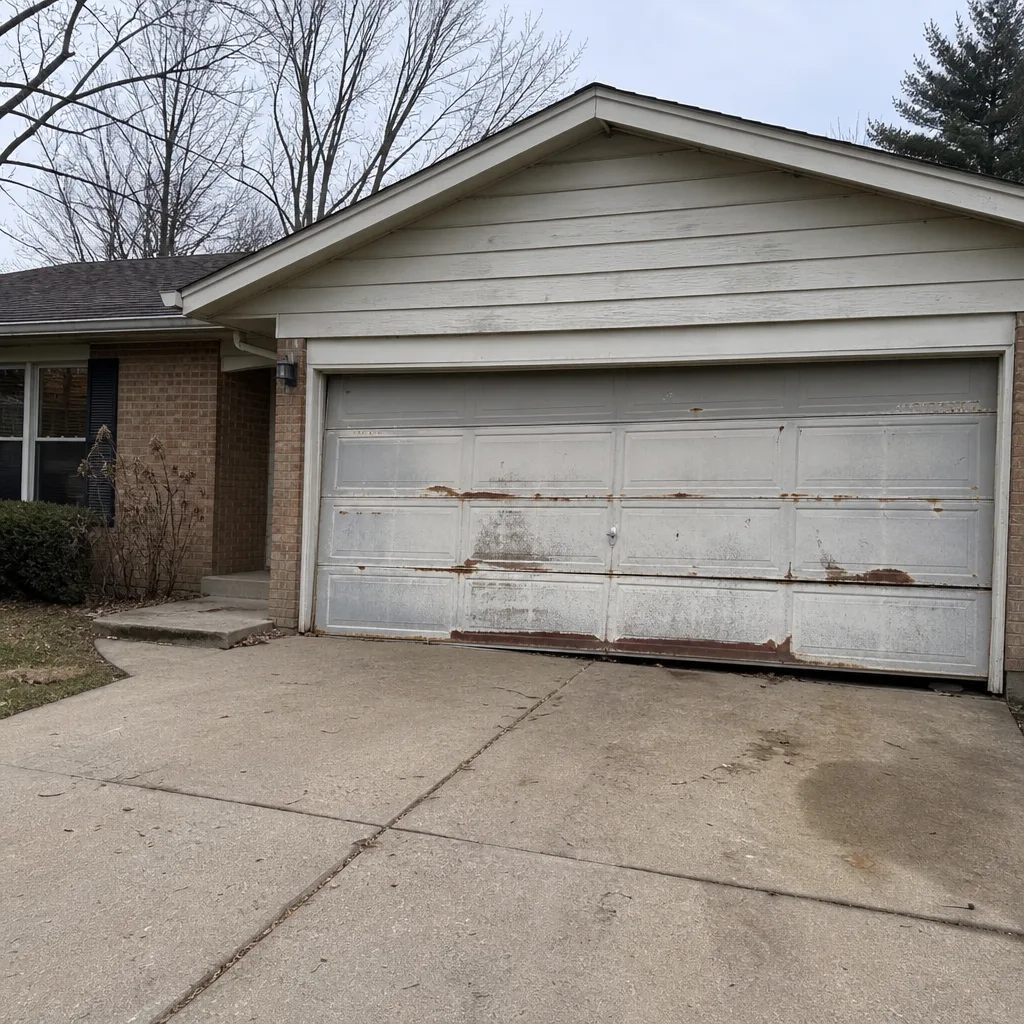 Before
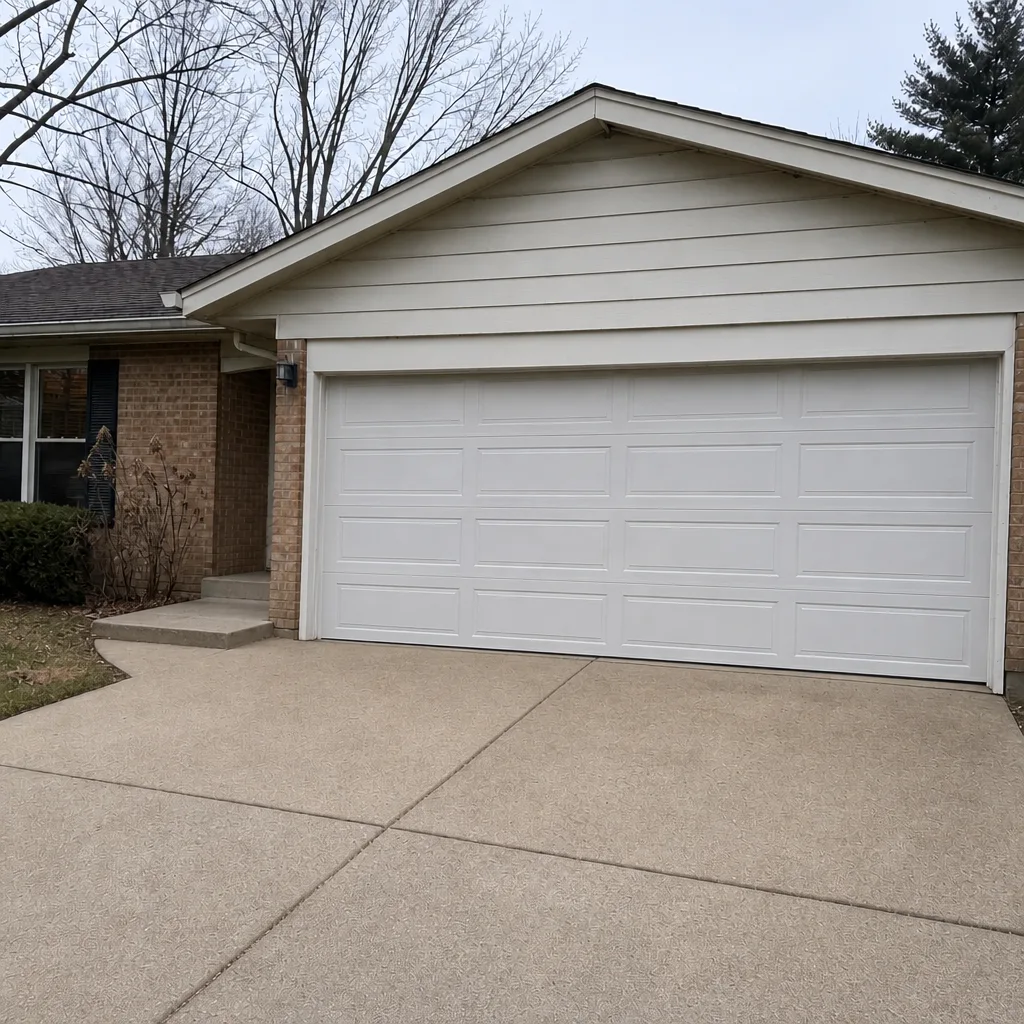 After
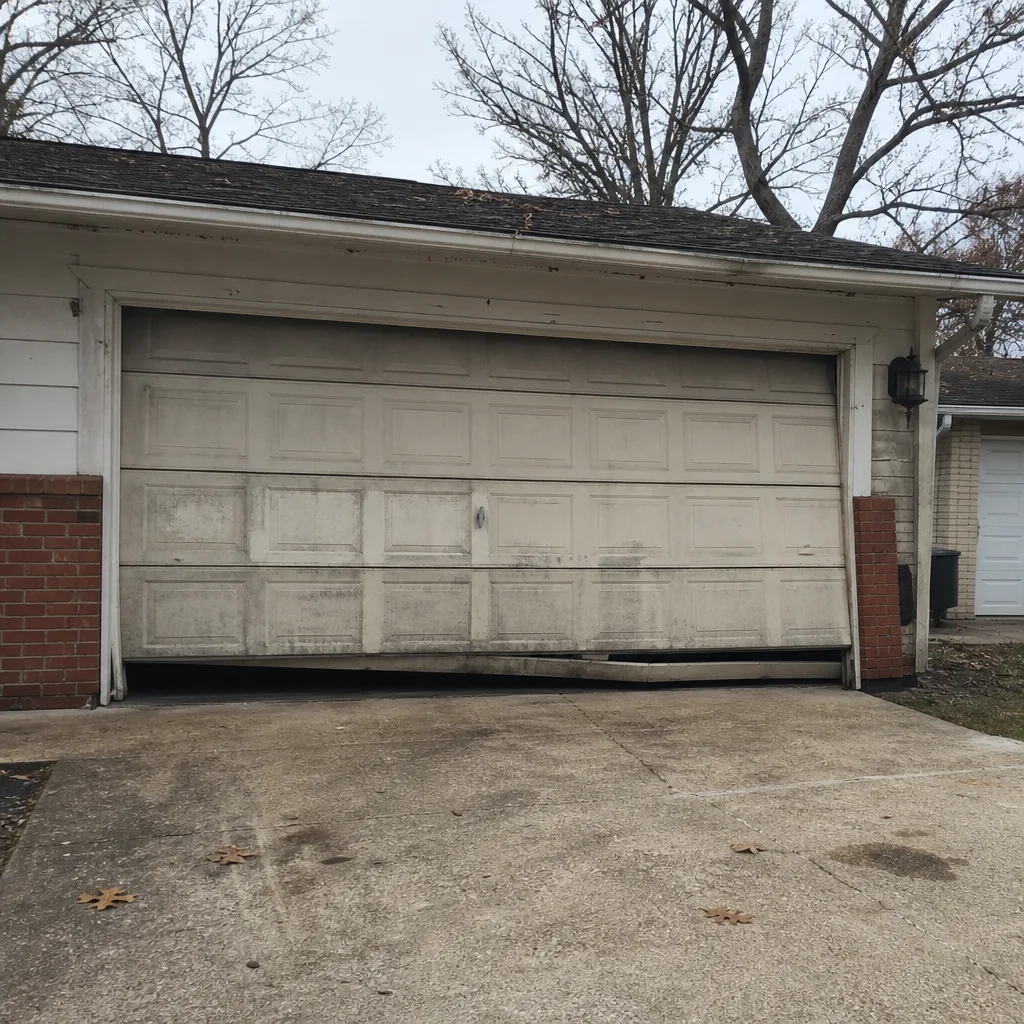 Before
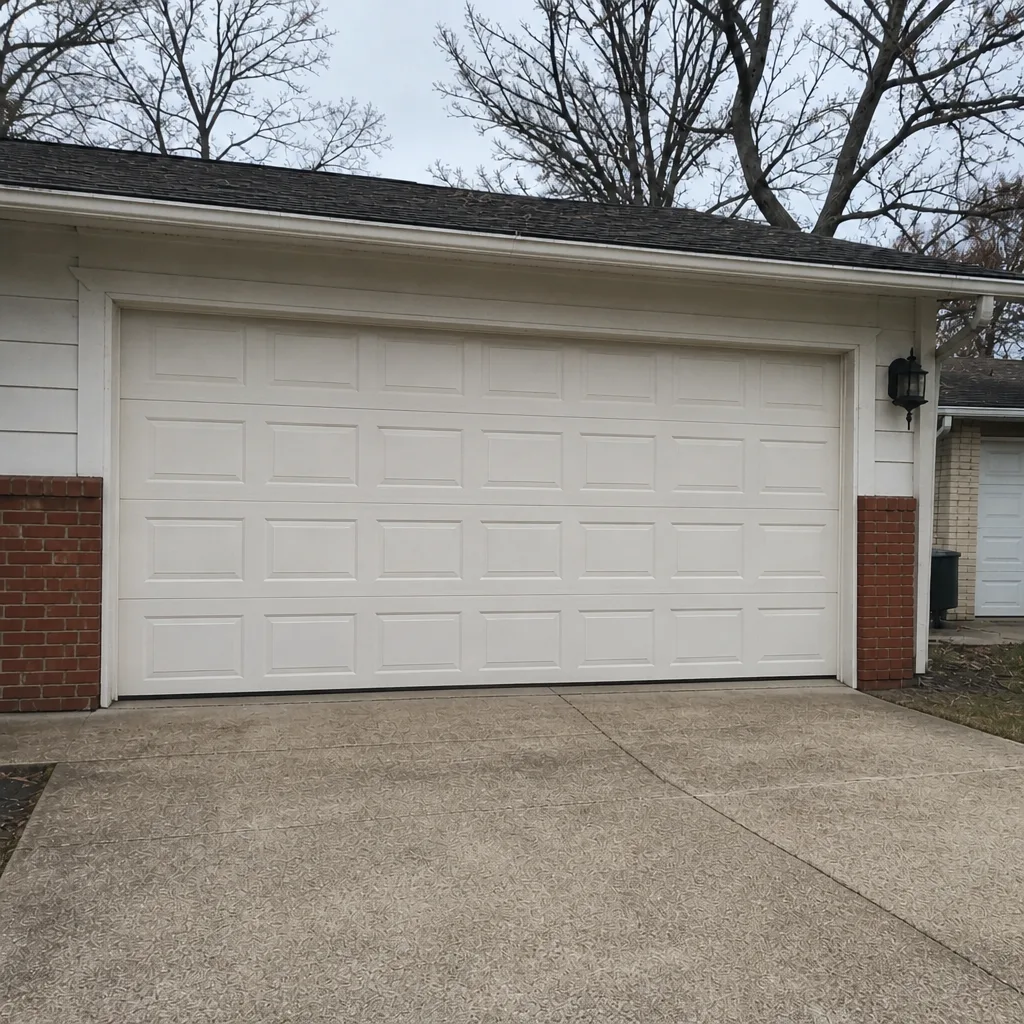 After
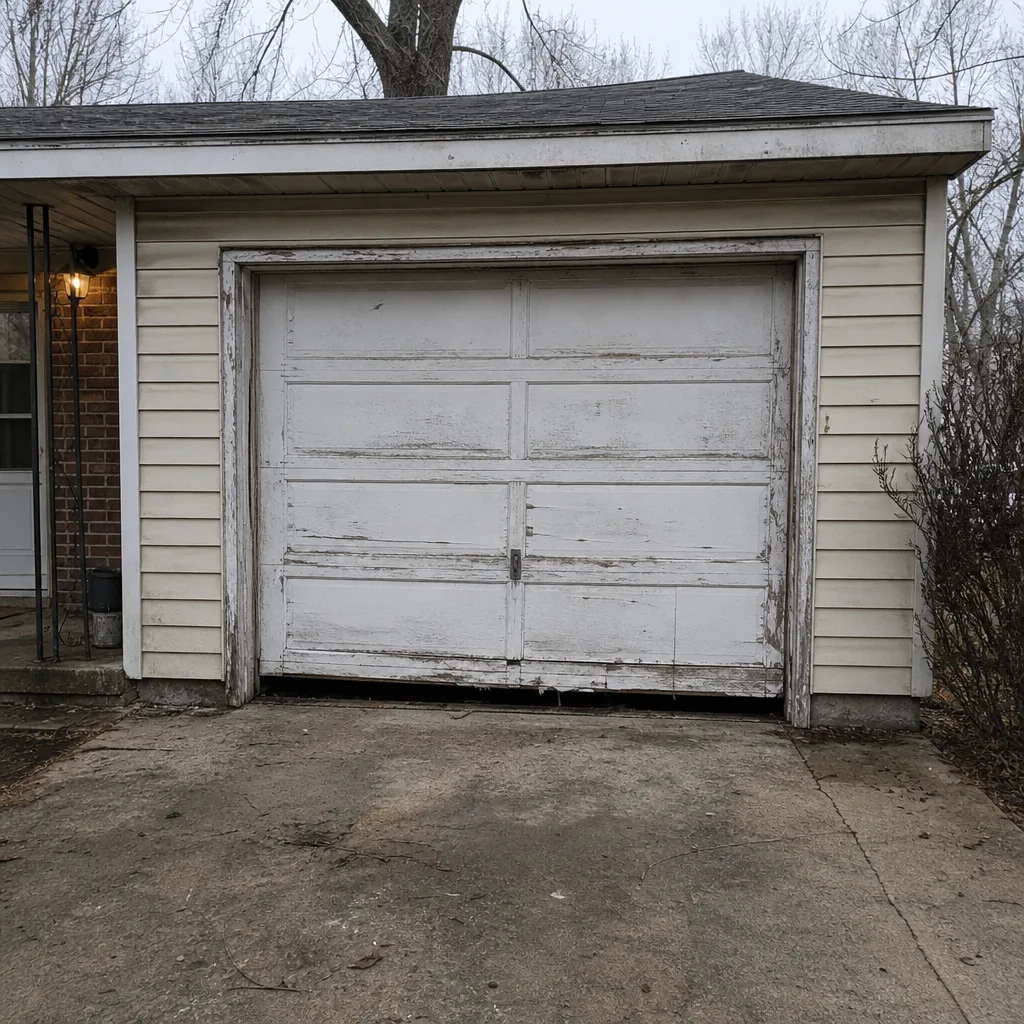 Before
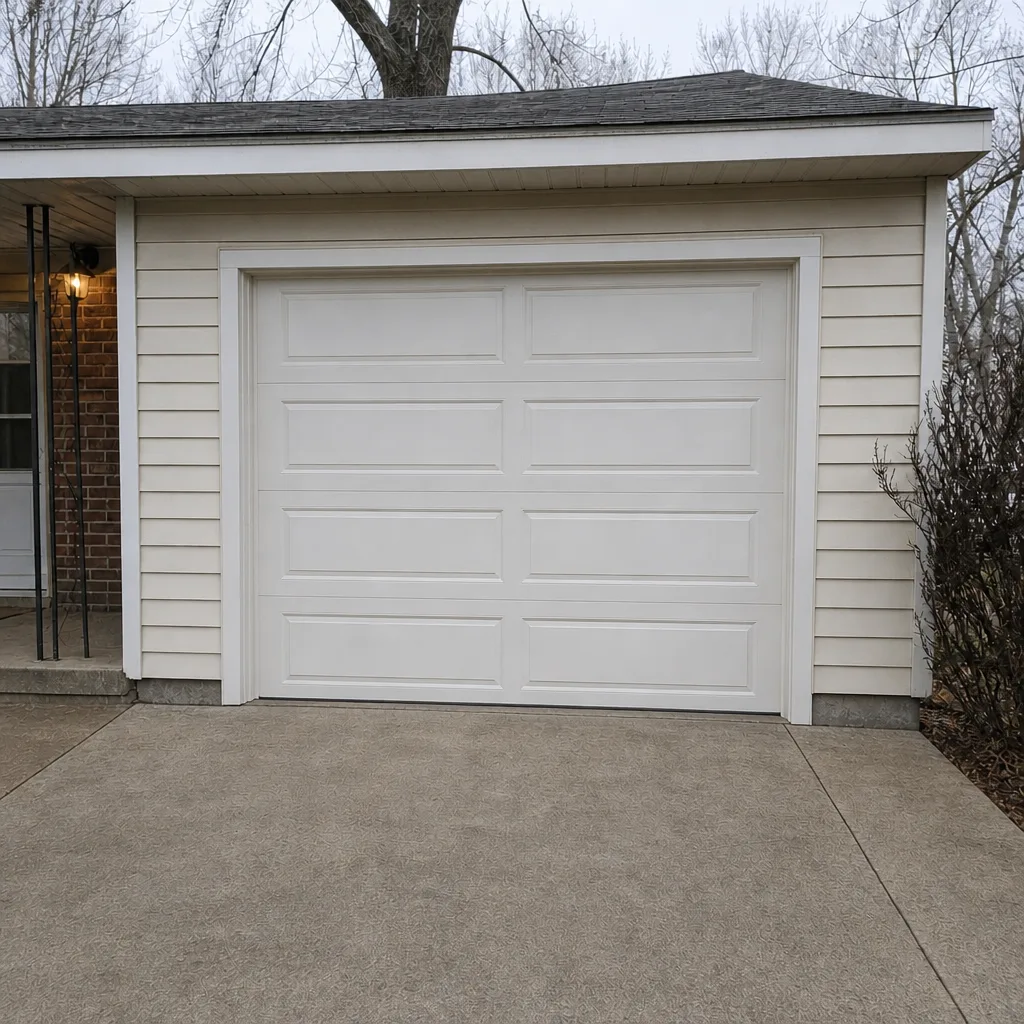 After
When to Call a Professional
Call a professional now if any of these apply: the door won’t open at all, the door is crooked or visibly off its track, there’s been a loud bang from the garage, a cable is slack or off its drum, the door is hard to lift by hand, a spring has visibly grown a gap between its coils, or the opener is making a burning smell. Call to schedule a repair visit within the next couple of weeks if the door is slower than it used to be, has started squealing or popping regularly, has begun reversing without obstruction, or the opener is struggling more than it used to. Garage Door Repair Ballwin offers free estimates in Ballwin. Call (877) 770-1711. We answer 24/7. Fast dispatch from 7am to 7pm, Sunday through Friday.
Frequently Asked Questions
The earliest signs are usually subtle: the door takes longer to open than it used to, a new grinding or squealing sound appears on part of the track, or one side of the door sits slightly lower than the other. These changes tend to appear weeks or months before an actual failure, so noticing them is what gives you time to book a repair rather than call an emergency number. If you hear a loud bang and the door won’t open, that’s a broken spring and an immediate stop-use situation. Book a free estimate with us if any of the early signs are present.
Pull the manual release on the opener and try lifting the door by hand. If it’s hard to lift or won’t stay up at the halfway point, the problem is with the door, usually the springs. If it lifts easily and the opener still struggles, the problem is with the opener. This single test rules out half the possibilities and is the most useful thing you can bring to a phone call. Call (877) 770-1711 for an estimate and we’ll confirm it on arrival.
No. A light rattle from a loose hinge or a faint squeal from a dry roller are minor and usually fixable during a routine service visit. The sounds to treat seriously are grinding that’s getting louder over weeks, a sharp popping that repeats as the door travels, and any single loud bang. Those point to metal-on-metal contact, a slipping spring, or a spring that’s already failed. In Ballwin’s summer humidity, surface rust on tracks is the most common starting point for grinding, which is why a dry lubricant applied a few times a year heads off a lot of noise calls.
Once a year is a reasonable baseline for most Ballwin homes, and a short self-check every few months in between. The bigger issue is response time: when you notice something new, don’t leave it for six months. The St. Louis metro swings from humid summer to cold winter, and each seasonal shift pushes springs, cables, and rollers a little further out of spec. A spring that’s lost a third of its tension in October will likely be noticeably weaker by January. Catching that gap early is what keeps the door working through the winter.
Stop using the door and don’t press the opener again until a technician has looked at it. A loud bang usually means a torsion spring has snapped, and the door becomes dramatically heavier the moment that happens. Running the opener with a broken spring forces the motor to lift a door it was never designed to carry and can drop the door while someone is underneath. Call us and describe what you heard. We answer 24/7 and dispatch from 7am to 7pm, Sunday through Friday.
It depends on the symptom. Slow travel, a mild squeak, or occasional rattling can be monitored for a few days while you book a visit. Sagging on one side, jerking, popping, a slack cable, a burning smell from the opener, or any visible track issue are stop-use conditions. The line between the two is uneven movement or unusual sound from above the door. If you’re unsure, call (877) 770-1711 and describe it. Estimates are free, and describing the symptom takes a minute.
The Bottom Line
Garage door failures almost always announce themselves, and the reference guide above is really about closing the gap between “I heard that” and “I should call someone.” The sound quality narrows the component. The movement tells you which side of the system the problem lives on. The manual release test separates an opener problem from a door problem. And the stop-use list tells you when to stop right now versus when to book a visit in the next few weeks. Ballwin homeowners who do a short self-check every few months catch almost every problem while it’s still small. When a reminder turns into a real repair, call (877) 770-1711 for a free estimate. We answer 24/7. Fast dispatch from 7am to 7pm, Sunday through Friday. Our technicians have up to 10 years of experience and work on LiftMaster, Chamberlain, Genie, Clopay, Amarr, Wayne Dalton, Craftsman, and Raynor equipment, so nearly any door or opener in Ballwin is one we can diagnose and repair.
Written by the team at Garage Door Repair Ballwin.