
Last updated November 23, 2026
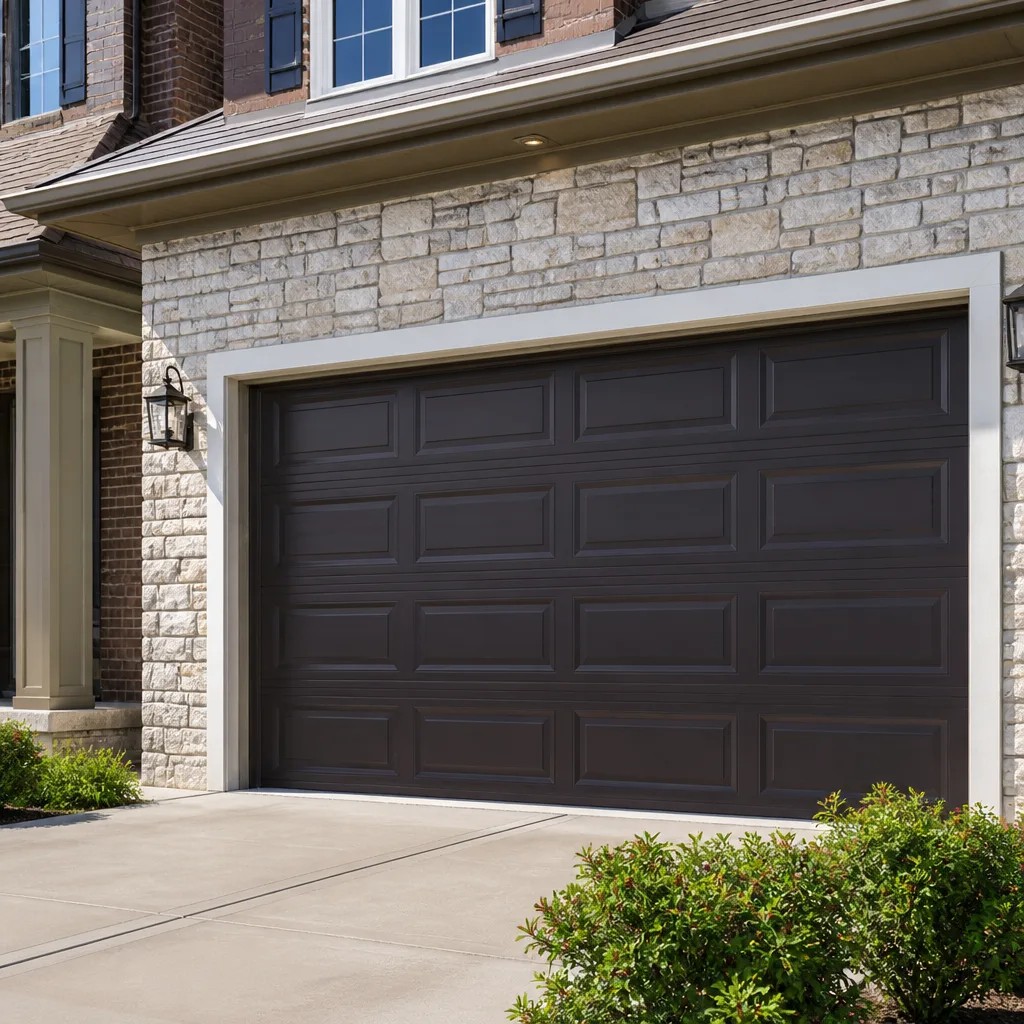 Raised-panel steel
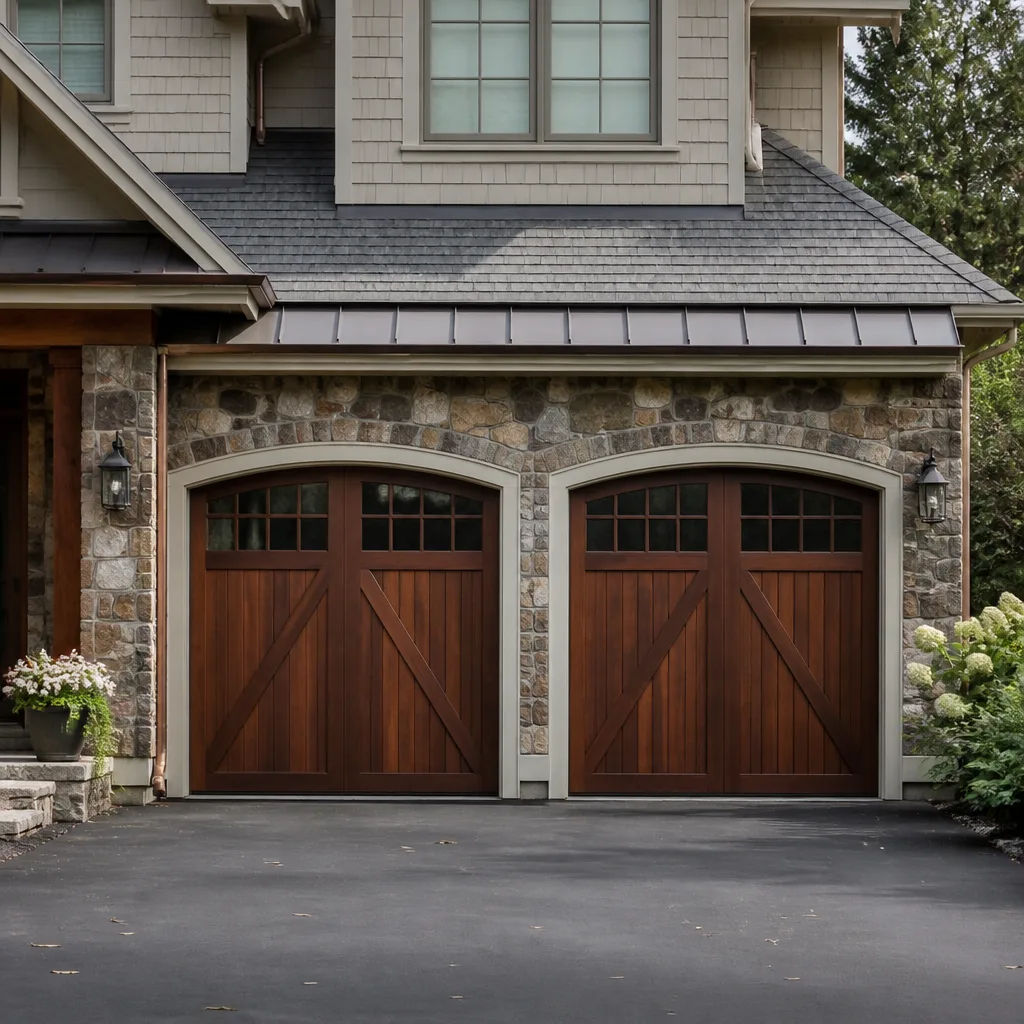 Carriage house
 Modern flush
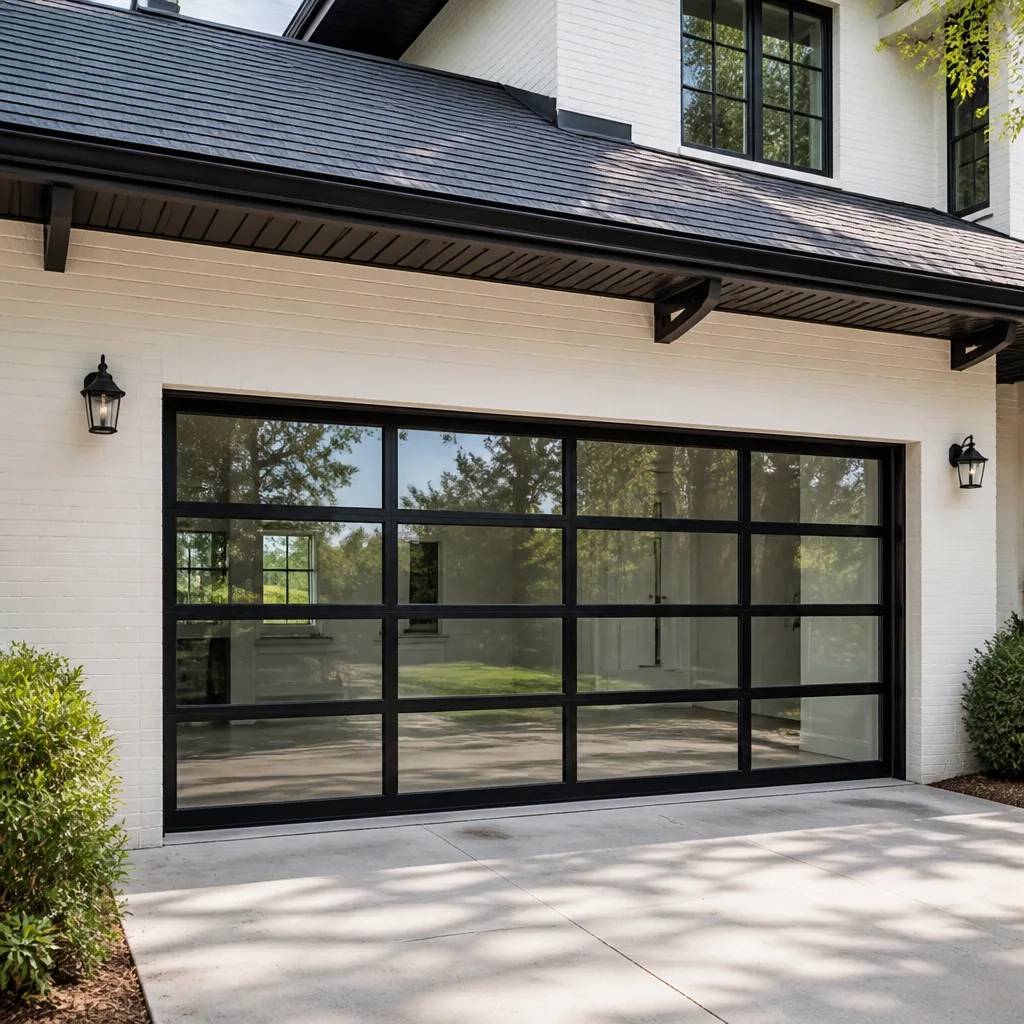 Full-view glass
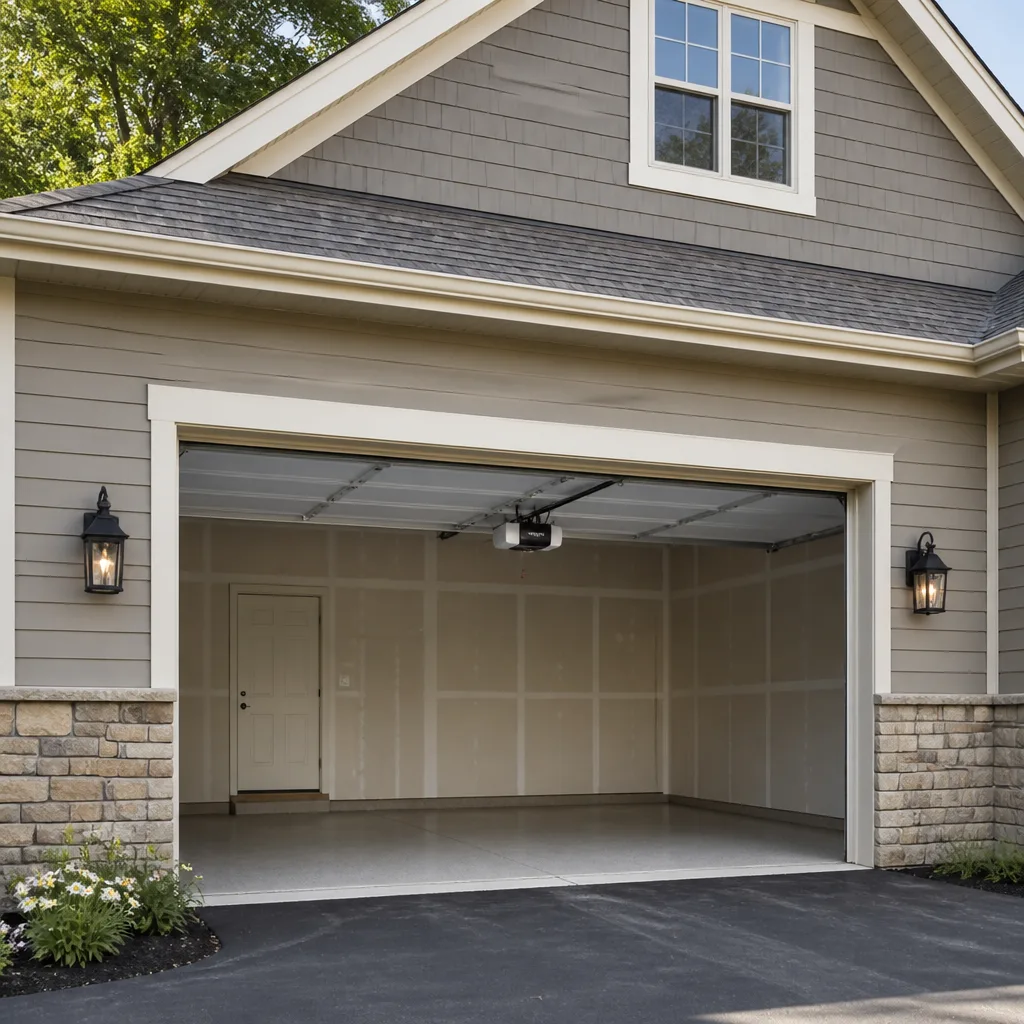 LiftMaster openers
 Chamberlain openers
Full 25-point door and opener safety check with every visit - springs, cables, rollers, tracks, and your LiftMaster or Chamberlain opener included
You get a price before we start. It does not change when the pro arrives.
Get your free estimateDIY vs Professional Garage Door: The Ballwin Homeowner’s Decision Guide
Most homeowners assume the DIY-versus-professional question comes down to skill. It doesn’t. Garage door springs store enough energy to break a wrist or worse when released unexpectedly, and they don’t warn you before they do it. That’s not a reason to avoid all garage door work yourself. It’s a reason to know exactly which tasks that danger applies to, and which ones a capable homeowner can handle with a screwdriver and an afternoon. This guide draws that line task by task, with no condescension, so you know where you can add value in Ballwin and where the risk makes going it alone a bad trade.
Quick Answer
In Ballwin, most routine garage door maintenance and small adjustments are safe for a careful homeowner: lubricating hinges and rollers, replacing a remote battery, cleaning the photo-eye lenses, and testing the safety reverse. Spring replacement, cable work, and any repair on a door that’s off its tracks are jobs for a trained technician, because the stored tension in those parts can cause severe injury. When in doubt, a free estimate costs nothing and tells you which category your repair falls into.
Styles & brands we work with
- Raised-panel steel
- Carriage house
- Modern flush
- Full-view glass
- LiftMaster openers
- Chamberlain openers
Table of Contents
- What Garage Door Work Can You Safely Do Yourself in Ballwin?
- Why Torsion Spring Work Is Categorically Different
- The DIY Fixes Homeowners Get Wrong and What They Break
- What “Saving Money” With DIY Actually Costs
- Doors Off Their Tracks: Why This Isn’t a DIY Repair
- Opener Problems: What You Can Check Before You Call
- How to Be an Informed Participant When You Hire Out
- Repair vs New Installation: Deciding in Ballwin
What Garage Door Work Can You Safely Do Yourself in Ballwin?
A useful line for this question: if the task doesn’t put your hands near a part under tension or above your head on a ladder, it’s probably fine to do yourself. Everything else deserves a second look. A garage door is a system of springs, cables, rollers, hinges, and an opener, and only a handful of those components are safe to touch without training. The good news is that the homeowner-safe tasks are also the ones that prevent bigger failures, so doing them well protects the whole system.
These tasks are genuinely reasonable for a competent homeowner:
- Testing the safety reverse. Put a piece of wood on the floor under the door and close it. The door should reverse on contact. This is a two-minute check worth doing regularly.
- Cleaning the photo-eye lenses. Spiderwebs and dust on the two small lenses near the floor are behind a surprising number of “the door won’t close” calls.
- Replacing remote and keypad batteries. No tools, no risk.
- Lubricating hinges, rollers, and the opener rail with a proper garage door lubricant, not WD-40 or cooking oil.
- Tightening loose hinge and bracket bolts that aren’t under load once the door is fully open and safely supported by the opener.
- Replacing rubber bottom weather seals that have cracked or gone hard.
Ballwin’s climate gives these small tasks more weight than you might expect. The muggy summer air and the hard freezes that roll through west St. Louis County each winter work on metal and rubber alike, drying seals, stiffening rollers, and loosening fasteners. A little lubrication before the first cold snap and a quick visual check in spring go a long way toward keeping things quiet and moving.
Why Torsion Spring Work Is Categorically Different
Torsion spring work is the one category of garage door repair we recommend no homeowner take on, regardless of how handy they are. A torsion spring is a coil of steel wound to a specific number of turns, and those turns are what make the door feel light enough to lift by hand. That stored energy is present every second the door is closed. When a torsion spring is released without the right tools, it lets go fast and it doesn’t care where your hands are.
The reason this is different from, say, replacing a hinge isn’t just “springs are dangerous.” It’s that a torsion spring is a wound mechanical energy store, and the whole system holds that energy even when the door appears at rest. The bar, the winding cones, and the cables all share that load. Loosening the wrong bolt or cutting a cable without first relieving the tension is how people get hurt. A trained technician controls the energy before touching it: the door gets locked and blocked, the tension is released in a controlled sequence, and the new spring is wound to the door’s exact weight using a winding bar. There’s no shortcut that’s safe, and no clever workaround that’s worth the risk.
Our technicians have up to 10 years of experience working with torsion springs, along with the winding bars and clamps that make the job controlled instead of dangerous. On the service side, this is the heart of what we do, and it’s why garage door spring repair is a job we take seriously from the first call. If you’re hearing the loud bang of a snapped spring, seeing a gap in the coil, or noticing the door suddenly feels impossibly heavy, that’s the signal to stop lifting it by hand and call. Springs don’t repair; they get replaced, and a matched pair is usually replaced together because both have lived the same number of cycles. Call (877) 770-1711 for a free estimate. We answer 24/7.
The DIY Fixes Homeowners Get Wrong and What They Break
Here’s what we see most often after a homeowner has tried a repair and things got worse. Each of these starts as a small problem and turns into a bigger one for a predictable reason.
- Overtightening bracket bolts. A bolt that feels loose gets cranked until it’s tight, but the thin steel of a hinge or bracket strips or deforms easily. A deformed bracket throws off the alignment of the whole track.
- Using the wrong lubricant. Cooking spray, motor oil, and silicone in the wrong places attract grit that wears rollers faster. Sticky residue is worse than dry metal.
- Adjusting the torsion spring tension “to make the door lighter.” This is the one we worry about most. Turning the winding cone by hand without a bar can release stored energy in an instant. Even where a homeowner gets away with it, unbalanced spring tension wears out the opener and can damage the door panels.
- Force-adjusting the opener travel limits to compensate for a door that’s dragging. The motor isn’t the problem; the door is. Raising the force limit just hides the real issue until something breaks.
- Straightening a bent track by hand. A track look straight to the eye but still bind the rollers. Track geometry has a small margin before the door jumps.
- Replacing a single spring when the pair has failed. A new spring next to a tired one leaves the door unbalanced, and the old spring typically gives out soon after.
- Ignoring a door that shakes or shudders. That’s often a loose panel or a roller problem, and it grinds down the rest of the system with every cycle.
Ballwin’s housing stock includes a lot of homes from the 1980s and 1990s, and those original doors and openers are still going in many garages. Age matters here: the older the system, the less margin a small DIY mistake leaves before something bigger fails. If your door is in that vintage range, it’s worth being especially careful about the small fixes.
What “Saving Money” With DIY Actually Costs
The honest answer on price: DIY rarely saves what people think it does once you count the parts and tools. A homeowner buying springs at retail pays more per part than a service business that buys in volume, and a torsion spring job needs winding bars, a proper clamp, and a door lock that most households don’t own. Add the cost of a tool you’ll use once, and the gap with a professional repair narrows fast. Then add the real risk: a wrong fix often costs more than the original repair. Replacing a door that came off a bent track costs far more than having the track fixed properly the first time.
Typical estimated costs around Ballwin look like this:
- Torsion spring replacement (one spring): usually in the range of $180 to $340, with a matched pair costing about twice that.
- Extension spring replacement (one spring): a somewhat lower range, again with a pair costing roughly double.
- Opener repair or adjustment: a range rather than a single figure, priced by the job.
- Off-track or cable repair: varies with what’s actually bent or broken, so the written estimate sets it.
These are typical, estimated ranges, not fixed prices. Every job is quoted and agreed before any work starts, and the written estimate is the price you pay. No surprise invoice. garage door repair priced this way means you can compare a DIY tool-and-parts budget against a firm number and decide with clear eyes. Call (877) 770-1711 for a free estimate. We answer 24/7.
Doors Off Their Tracks: Why This Isn’t a DIY Repair
A door that’s off its tracks or hanging crooked is a stop-what-you’re-doing situation. It usually means a cable, roller, or bracket has failed, and the door is being held in a position it wasn’t built for. The tension and weight that were spread across the system are now concentrated on a few parts, and touching the wrong one can bring the whole door down. That’s a genuinely dangerous working condition, even if the door looks stable sitting there.
This is also the scenario where DIY instinct does the most harm. Pushing the door back onto the track, yanking on a bent cable, or forcing the opener all move load into parts that may already be compromised. A trained technician approaches it in order: secure the door so it can’t fall, identify what actually failed, then repair or replace the affected parts before re-hanging the door and checking the balance.
If a door won’t open or close and your home is standing open or your car is blocked in, that’s an emergency-level disruption, not a weekend project. That’s exactly the situation our Garage Door Repair Ballwin emergency service is built for, and it’s why we keep a line open for time-sensitive failures. Call (877) 770-1711. We answer 24/7. Fast dispatch from 7am to 7pm, Sunday through Friday. We’re closed on Saturday, so a Saturday call gets booked into Sunday.
Opener Problems: What You Can Check Before You Call
Openers are the most DIY-friendly part of a garage door system if you stick to diagnosis, not repair. Before you call, there are a few things worth checking that rule out the simple causes. Pull the emergency release cord to disconnect the door from the opener and check whether the door moves freely by hand. If it does, the door and springs are probably fine and the opener is the issue. If it doesn’t, the opener is trying to lift a door that’s heavier than it should be, and that points to a spring or track problem, not the opener itself.
A short checklist that often solves the mystery:
- Check the wall outlet the opener plugs into by testing it with a lamp.
- Replace the remote and keypad batteries.
- Clean the photo-eye lenses near the floor and make sure they’re aligned.
- Look for a small light on the opener unit that’s blinking a code. Note the pattern.
- Check whether the wall switch works when the remote doesn’t, which tells you the remote is the problem.
What you shouldn’t do is open the opener housing and start adjusting the force or travel limits or touching the circuit board. That’s live electrical work with a motor under load. If the checklist above doesn’t solve it, or you see a burning smell or hear grinding from the unit, it’s time for a technician. We provide garage door opener repair across the brands most Ballwin homes actually have, including Genie, Chamberlain, Craftsman, and LiftMaster, so you don’t get turned away because your opener isn’t the “right” make. Call (877) 770-1711 for a free estimate.
How to Be an Informed Participant When You Hire Out
Hiring a professional doesn’t mean stepping out of the decision. You can watch a service call with the right lens and verify the work in a way that protects you. The first thing to confirm is that the price was quoted and agreed before any work started, which is the standard we hold ourselves to. From there, a few things are worth paying attention to.
Numbered checklist for a quality service call:
- The technician secures the door before touching springs or cables: locks it, blocks it, and doesn’t work above a live spring.
- They measure or check the door’s balance before winding a new spring, rather than guessing the tension.
- They replace both springs when the pair has failed, not just the one that broke.
- They test the safety reverse after the repair is done, right in front of you.
- They check the rollers, hinges, and track and tell you what they found, not just what they fixed.
- They clean up and leave you with the written paperwork for the work performed.
Ask what was replaced and why, and ask for the old part if you’d like to see it. A technician with nothing to hide will explain the failure in plain terms. If a repair gets “upgraded” on the spot without a fresh quote, that’s a red flag. In Ballwin, our technicians are experienced with the most common failure points, and they’ll tell you honestly whether a repair is worth it or whether a new door makes more sense.
Repair vs New Installation: Deciding in Ballwin
The DIY-versus-professional question changes shape when you’re facing a full door replacement. Installing a garage door isn’t a spring-tension job, but it’s still a two-person structural job that has to be squared, shimmed, and wound correctly to work for years. That’s not a task we’d suggest a homeowner take on. A door hung even slightly out of square binds, wears out rollers, and strains the opener. The measure, delivery, and install are a single scheduled process, and the benefit of professional installation is that the same specialist can service the door through its whole life.
So how do you know when a repair is no longer worth it? Consider replacement when the door has had multiple spring failures, when panels are cracked or rotted through, when the door is significantly unbalanced even after service, or when you’re down to a single original panel on a door of a certain age. Consider repair when the failure is isolated: one broken spring on an otherwise sound door, a single roller, a worn weather seal. Ballwin’s winters put stress on door panels through repeated freezing and thawing, and doors near the bottom of a sloped drive tend to take on water at the bottom panel more than flat-drive doors do.
For a new installation, the honest process isn’t same-day. It’s a free measure, a written price, and a scheduled installation. We can work with most common door and opener brands, including Clopay, Amarr, Wayne Dalton, and Raynor, so the door you want is one we can install and then service. Call (877) 770-1711 for a free measure and a written estimate. We answer 24/7. Fast dispatch from 7am to 7pm, Sunday through Friday.
Common Mistakes to Avoid
- Working above a live torsion spring. Even an experienced homeowner shouldn’t wind or unwind a spring without the right bars and clamps. The energy release is instantaneous and uncontrolled.
- Lifting a door by hand after a spring snaps. The door weighs far more than it should and can drop. Leave it closed and call.
- Replacing one spring of a pair. Matched springs share the load, and a new one next to a tired one leaves the door unbalanced and the old spring on borrowed time.
- Turning up the opener force to fix a dragging door. That masks a door problem and wears out the opener’s gears and motor.
- Pushing a door that’s off its tracks back into place. You can bend the track, twist a panel, or worse. Secure it and call.
- Lubricating tracks and rollers with WD-40 or grease. Both attract grit. Use a garage-door-specific lubricant and keep the tracks clean and dry.
- Ignoring a small rattle or shudder. In Ballwin’s freeze-thaw cycles, a loose bracket turns into a bent track. Address the noise early.
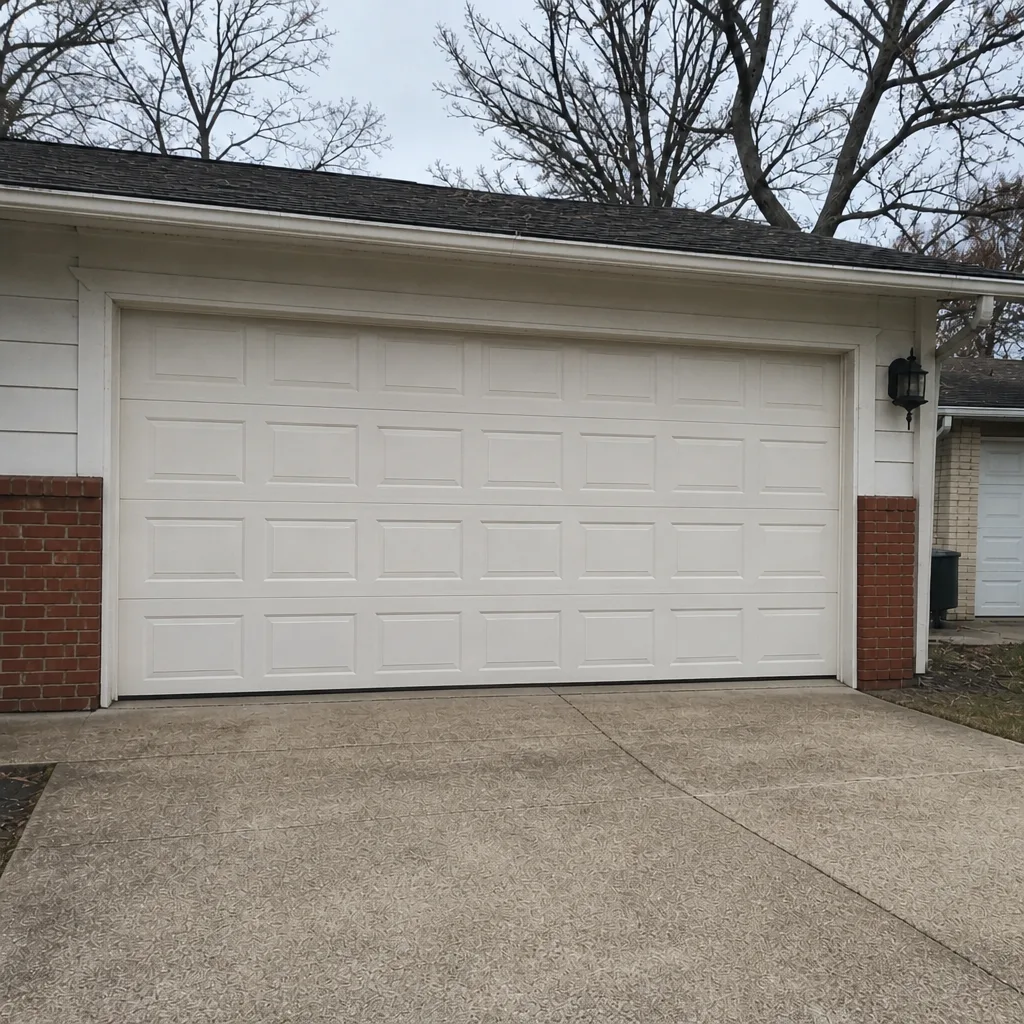
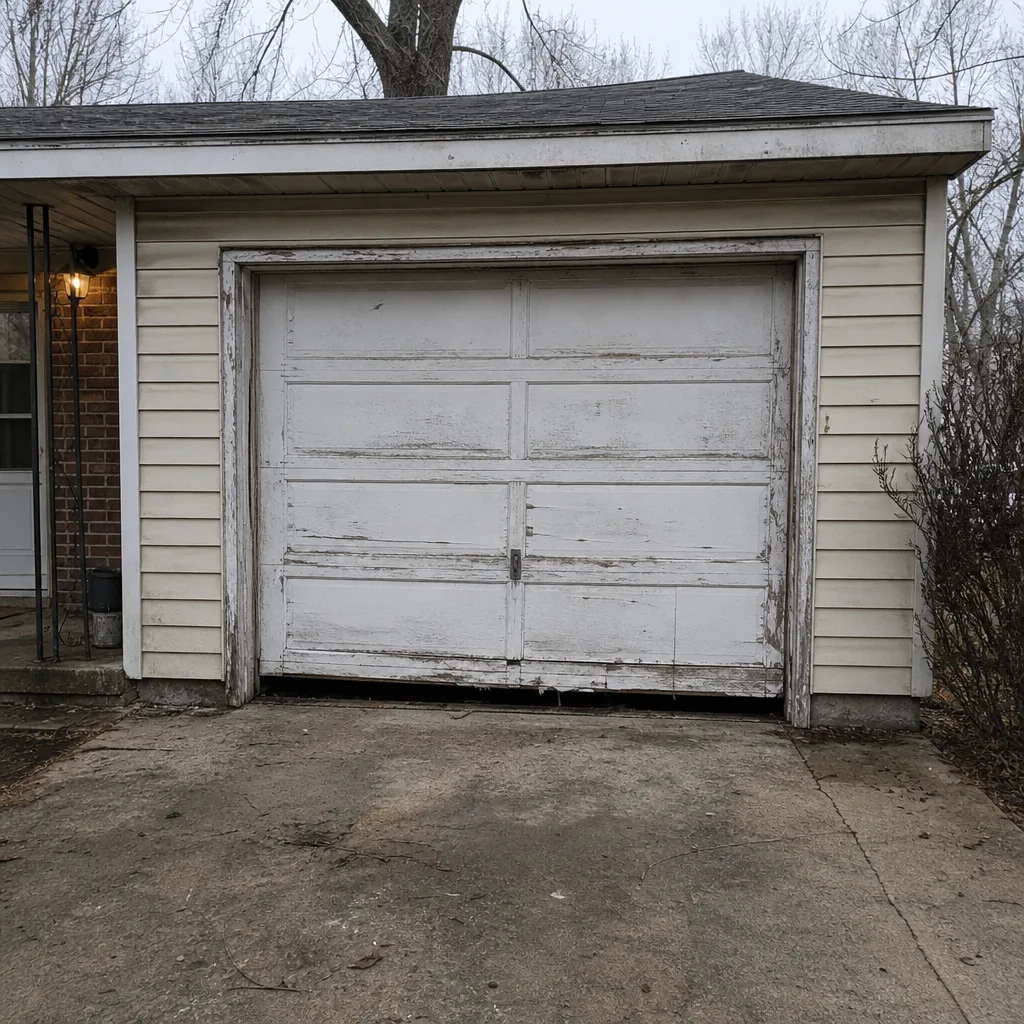
See the difference
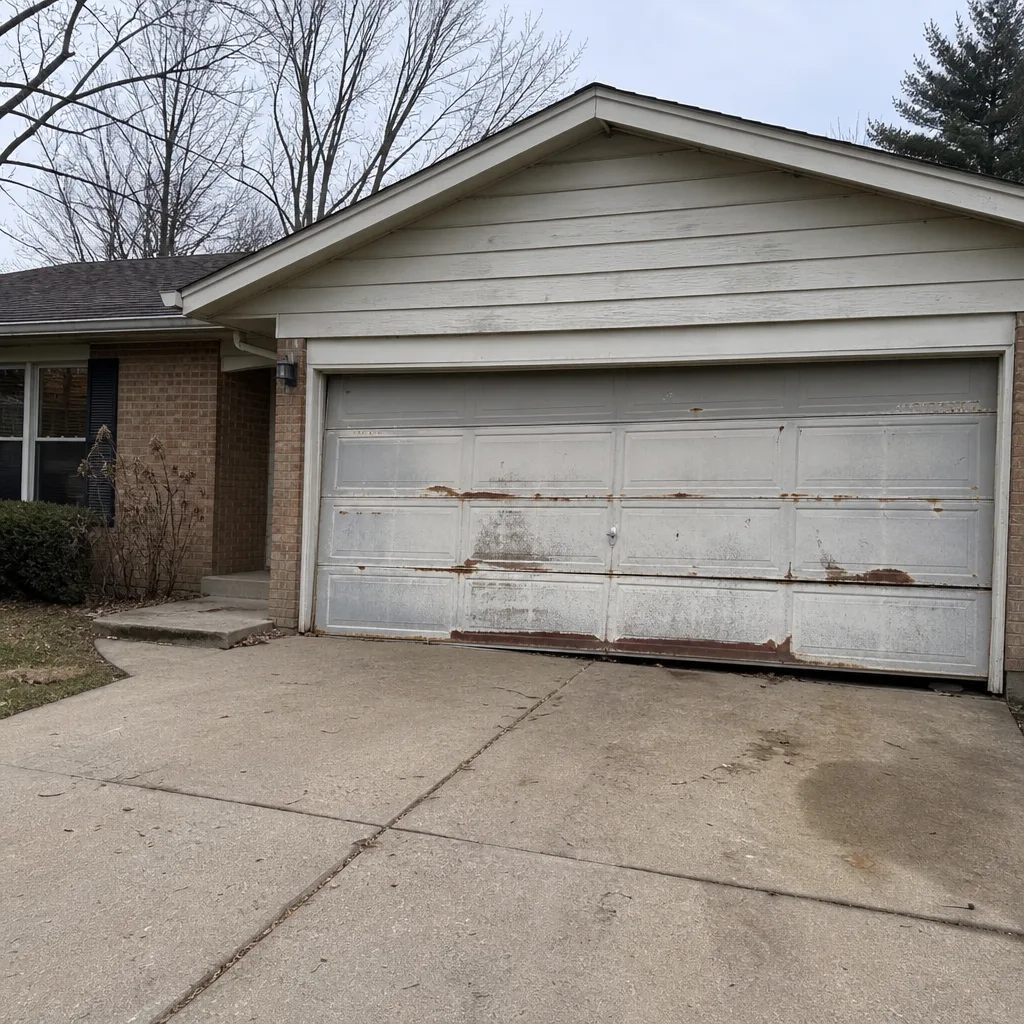 Before
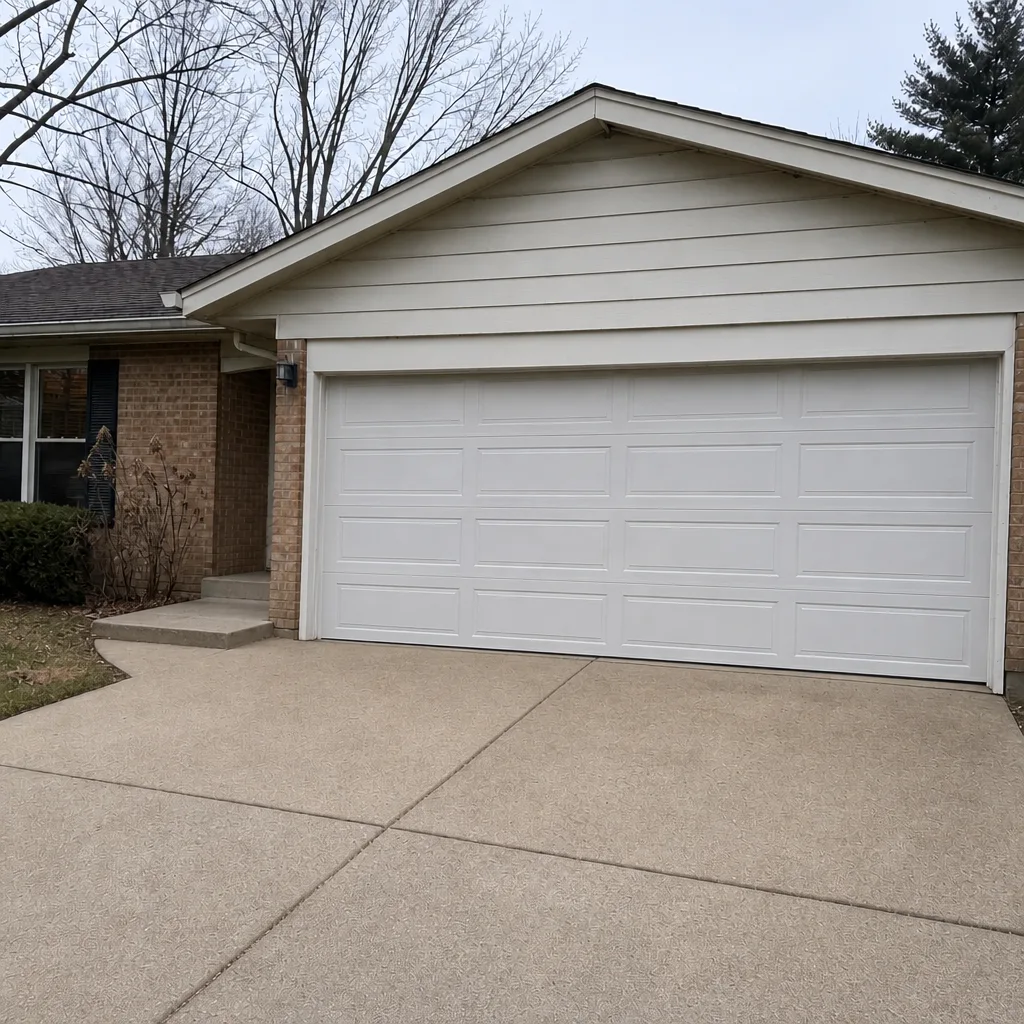 After
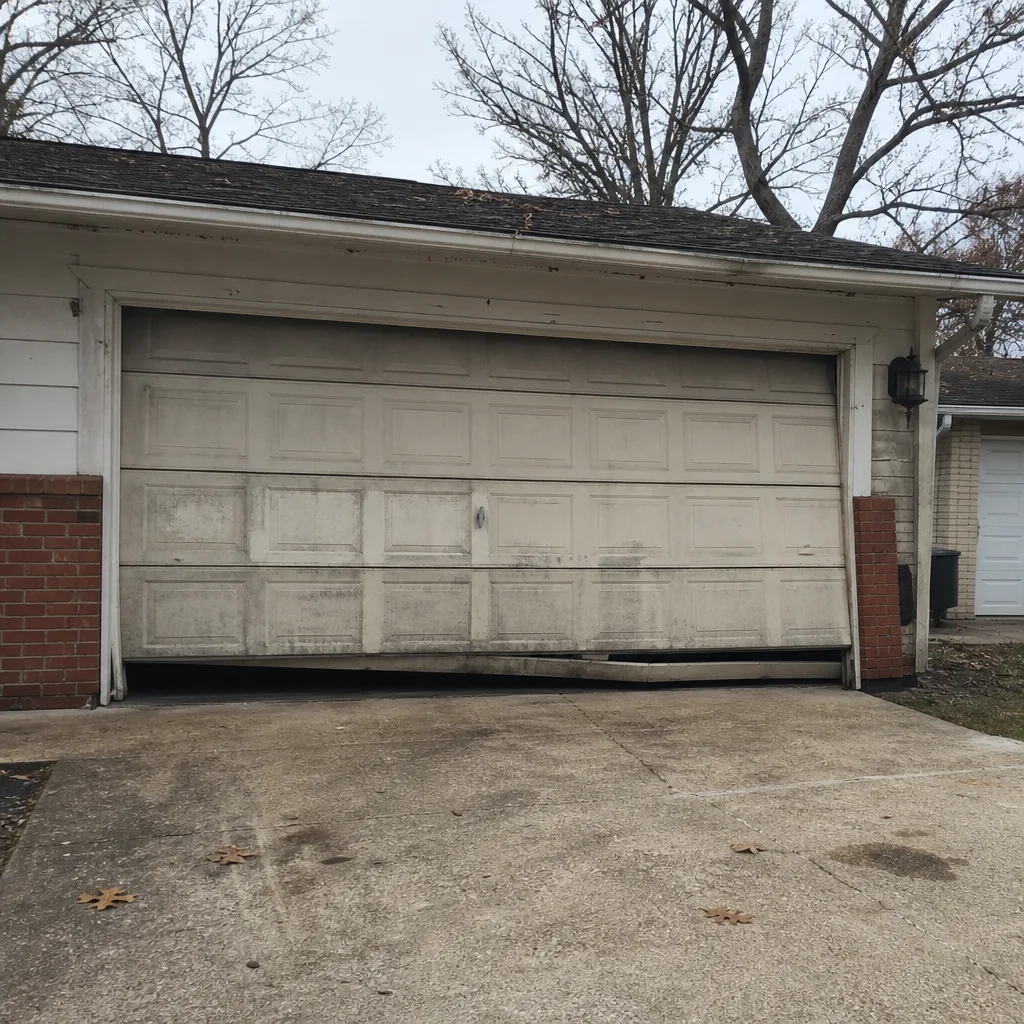 Before
 After
 Before
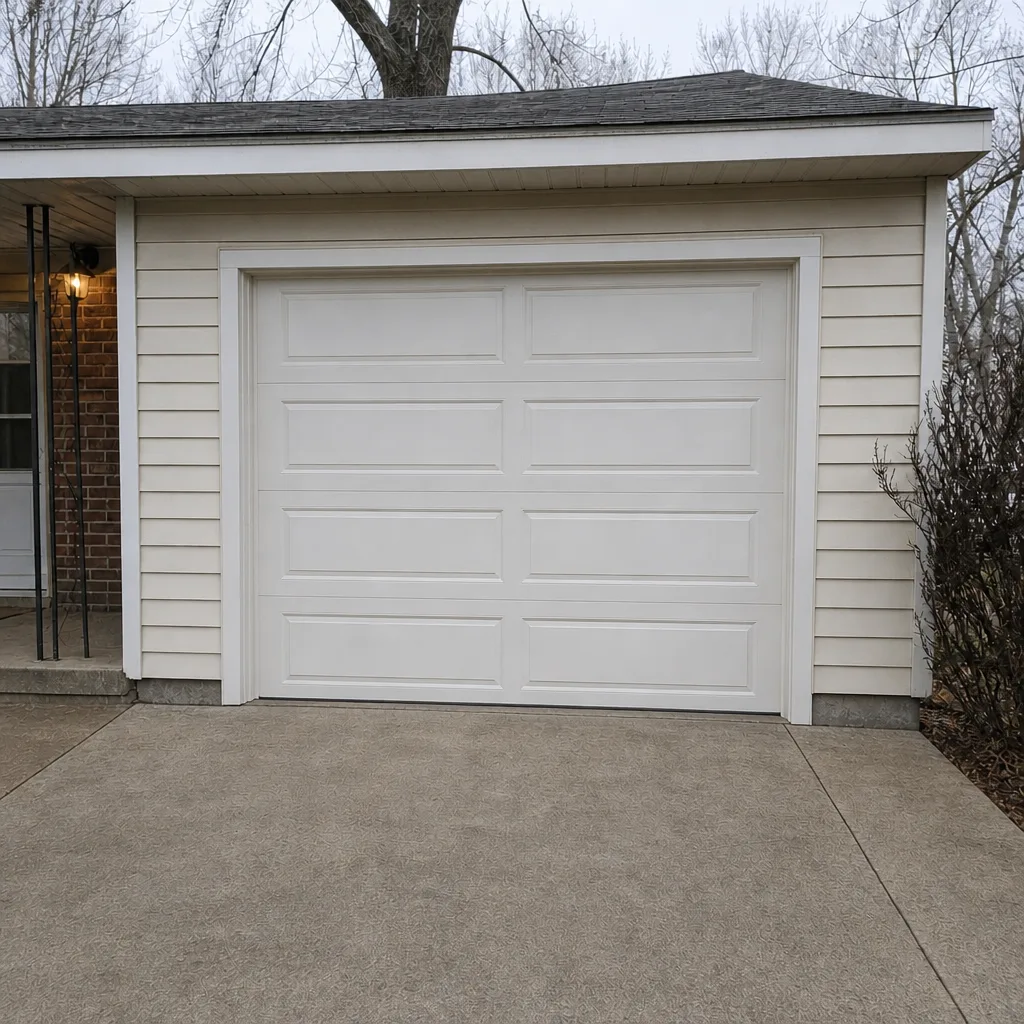 After
When to Call a Professional
Call a professional the moment the task involves a torsion spring, a cable, a door off its tracks, or a door that feels heavy or drops unevenly. Call if the opener has been forced to lift a dragging door, if you see a gap in a spring coil, or if a panel has cracked. And call if you’ve done the safe tasks and the door still isn’t working, because the next step up the chain is likely the dangerous part. Our emergency service exists for the failures that leave your home open or your car trapped. Garage Door Repair Ballwin offers free estimates in Ballwin, so the decision costs you nothing but a call. Call (877) 770-1711. We answer 24/7. Fast dispatch from 7am to 7pm, Sunday through Friday.
Frequently Asked Questions
No. Torsion springs store enormous energy under tension, and winding or unwinding one without the right tools can cause severe injury in an instant, so this is a job for a trained technician. Call (877) 770-1711 for a free estimate. We answer 24/7.
Torsion spring replacement typically runs about $180 to $340 for a single spring, and a matched pair is usually about twice that; the written estimate sets the final price. Call (877) 770-1711 for an exact quote. Estimates are free.
Yes, we offer same-day service for time-sensitive failures, with fast dispatch from 7am to 7pm, Sunday through Friday. Call (877) 770-1711. We answer 24/7.
No. The price is quoted and agreed before any work starts, so the written estimate is the number you pay, even if the job turns out to be a little easier or harder than expected. Call (877) 770-1711 for a free estimate.
The local pro we connect you with is licensed and insured as the state requires for this work. Our technicians have up to 10 years of experience, including spring work, opener repair, and full installation. Call (877) 770-1711 to book a free estimate.
We service the most widely installed opener brands, including LiftMaster, Chamberlain, Genie, Craftsman, and Raynor, so you’re not turned away because of your make or model. Call (877) 770-1711 and tell us what’s happening with your door.
The Bottom Line
The DIY-versus-professional call for garage doors comes down to one question: does the task put your hands near stored tension or a door off its tracks? If yes, that’s a trained-technician job, no matter how handy you are. If no, the small tasks like lubrication, seal replacement, photo-eye cleaning, and safety reverse testing are genuinely yours to do, and they prevent the failures that turn into expensive calls. A free written estimate tells you which side of the line your repair sits on, with the price agreed before any work starts. That’s the whole decision, made simple. Call (877) 770-1711. We answer 24/7. Fast dispatch from 7am to 7pm, Sunday through Friday.
Written by the team at Garage Door Repair Ballwin.